Novram
Novram
Novram
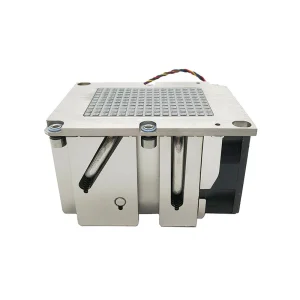
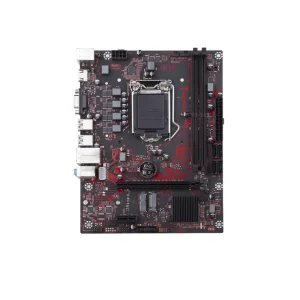
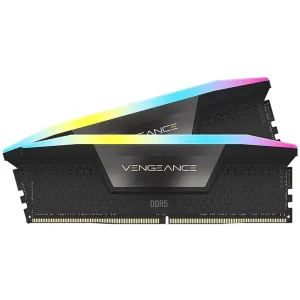
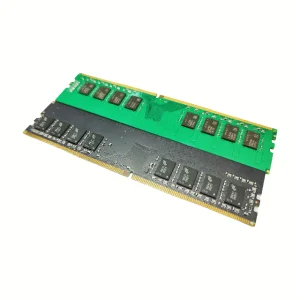
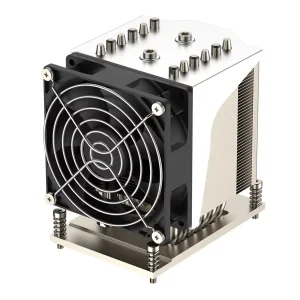
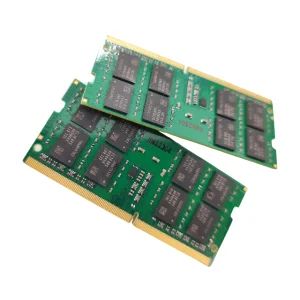
Explore our line of server thermal components, high-density DDR4/DDR5 system memory, and controller electronics engineered for environmental resilience.
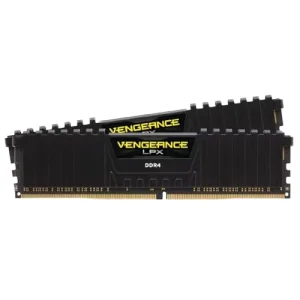
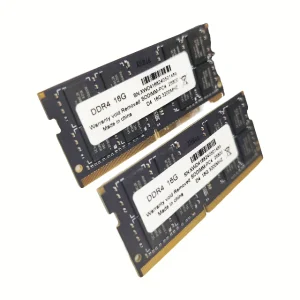
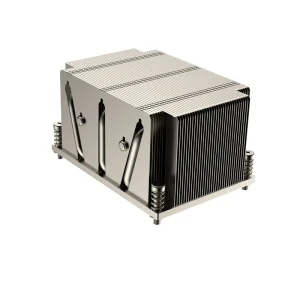
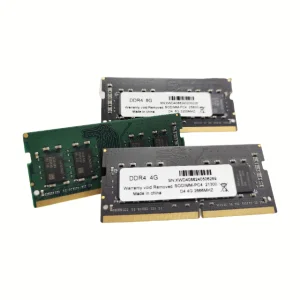
In modern industrial and enterprise computing architectures, environmental vulnerabilities represent a primary driver of premature hardware failure. As edge computing nodes migrate from pristine, climate-controlled server rooms to rugged settings—such as marine telecommunication systems, offshore oil rigs, heavy metal processing lines, and dense urban transportation corridors—components face exposure to humidity, corrosive salt atmospheres, sulfurous emissions, and microscopic particulate accumulation. Consequently, tier-one OEMs and enterprise engineering departments increasingly specify CE-certified nano-conformal coatings on high-reliability assemblies.
Traditional acrylic, polyurethane, or silicone coatings apply dense, thick barriers (often ranging between 25 to 125 microns) that impede heat dissipation. This thermal degradation is highly problematic for high-frequency processors, dense DDR5 DRAM matrices, and power distribution PCBA configurations. This operational pain point has prompted procurement departments to seek out specialized nano coating technology manufacturers. These manufacturers utilize thin-film chemical vapor deposition (CVD) or plasma-polymerized nanostructures (measuring under 2 microns) to yield robust dielectric properties and IPX7+ water-barrier ratings without trapping heat inside the critical thermal zones of copper/aluminum fins, heatsinks, or high-performance memory ICs.
Ensures zero interference with high-frequency signals and zero degradation of thermal dissipation pathways on server heatsinks, copper heat-pipes, and RAM components.
Full compliance under European Union electromagnetic safety, RoHS hazardous substance limitations, and environmental standards for predictable deployment life cycles.
Delivers exceptional electrical insulation, effectively mitigating parasitic capacitance and protecting against voltage surges in close-pitched component configurations.
Established in 2016 in Shenzhen, China, Novram Electronics Co., Ltd. has spent nearly a decade establishing engineering expertise in DRAM components and system assemblies. Spanning a modern 3,860㎡ manufacturing facility, Novram designs, validates, and mass-produces advanced memory products alongside complex hardware support systems. Novram integrates precise nano-coating application methodologies directly into our production lines to address the growing demand for rugged hardware.
By blending our core DRAM manufacturing expertise with state-of-the-art chemical vapor deposition (CVD) and automated precision spray lines, Novram provides robust solutions for the global electronics market. We serve customers in more than 40 countries, driving an annual export revenue of approximately US$18.6 million. Our production infrastructure maintains connections with over 860 qualified supply chain partners, ensuring access to quality raw components, silicon substrates, and certified chemical formulations.
Hardware failures in mission-critical applications incur substantial direct replacement costs and indirect operational downtime losses. Novram’s nano-coated hardware solutions target specific challenges across critical industries:
Understanding the exact chemical and mechanical differences between nano-coatings is crucial for product managers selecting the optimal environmental protection. Thin-film protective coatings apply molecular-level protection, maintaining functional thickness below critical limits. Below is a structural comparison of current coating technologies utilized in the industrial electronics space:
| Technology Type | Avg. Coating Thickness | Dielectric Performance | Thermal Conductivity | Common Applications |
|---|---|---|---|---|
| Fluoropolymer Plasma CVD | 100 nm – 1 µm | > 50 kV/mm | Excellent (negligible resistance) | High-frequency DDR5, server RAM modules, RF assemblies |
| Parylene (C or N types) | 2 µm – 15 µm | > 100 kV/mm | Moderate | Medical devices, critical aerospace sensor PCBs |
| Liquid Conformal Spray | 25 µm – 125 µm | > 20 kV/mm | Poor (insulating barrier) | Heavy industrial control boxes, standard PCBAs |
| Sol-Gel Hydrophobic Nano | 500 nm – 2 µm | > 35 kV/mm | High | Finned server heatsinks, copper heat pipes |
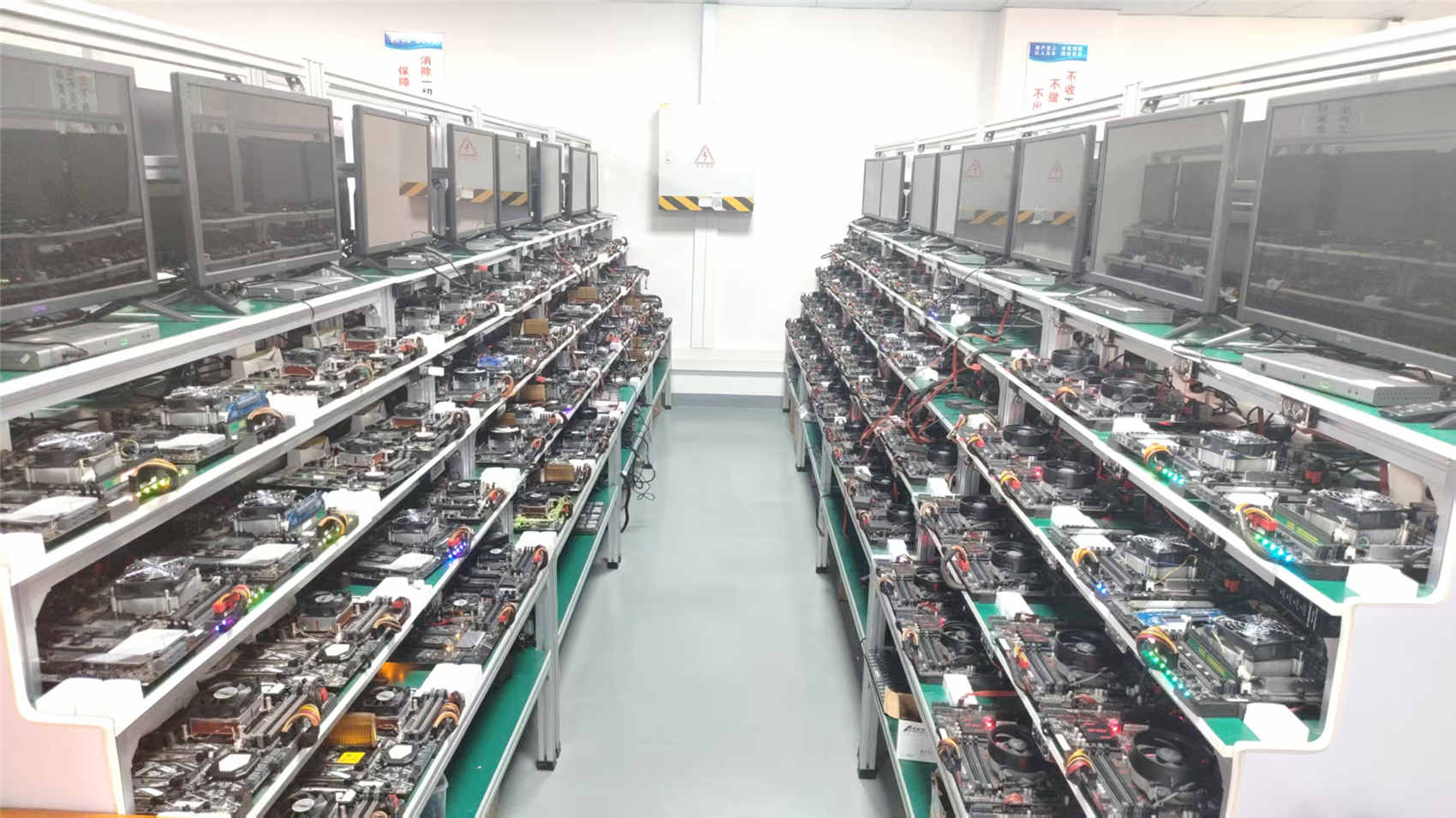
At Novram’s Shenzhen production facility, quality control represents our operational baseline. Every memory module, motherboard, and thermal system undergoes a rigorous testing program managed by our 42 professional quality inspectors. The validation lifecycle for nano-coated and ruggedized electronic modules consists of the following key phases:
1. Automated Optical Inspection (AOI) & Thickness Profiling: Utilizing non-contact spectroscopic reflectometry, our assembly lines measure the thickness of applied nano-barrier films down to the nanometer level. This ensures complete coverage without exceeding specified tolerance limits, which could affect signal integrity on DDR5 memory modules.
2. Thermal Shock & Thermal Cycling Tests: Coated components are placed in environmental chambers and subjected to sudden temperature excursions ranging from -40°C to +85°C. This verifies that the thermal expansion coefficients of the nano-coatings align with the copper, FR-4, and silicon substrates, preventing delamination or micro-cracking.
3. Salt Spray Corrosion Chambers: Standard test procedures, including ASTM B117 salt spray exposures, are performed continuously to confirm that treated PCBs can withstand marine environments without corrosion on lead frames, solder points, or active circuitry.
4. Functional Burn-In & High-Frequency Validation: Following environmental testing, 100% of memory modules undergo functional validation under system loads. This ensures that the dielectric properties of our nano-coatings do not introduce parasitic capacitance, signal distortion, or timing issues under peak 3200MHz/6000MHz frequencies.
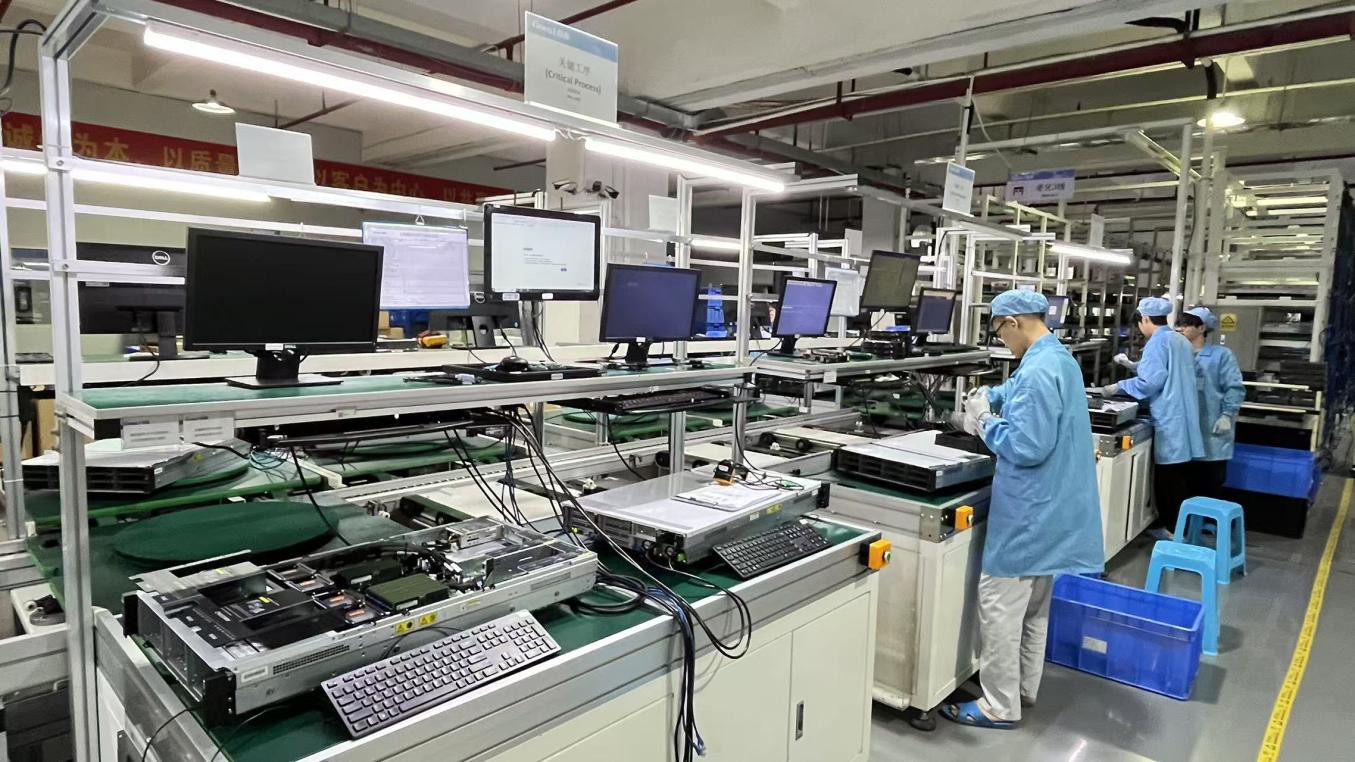
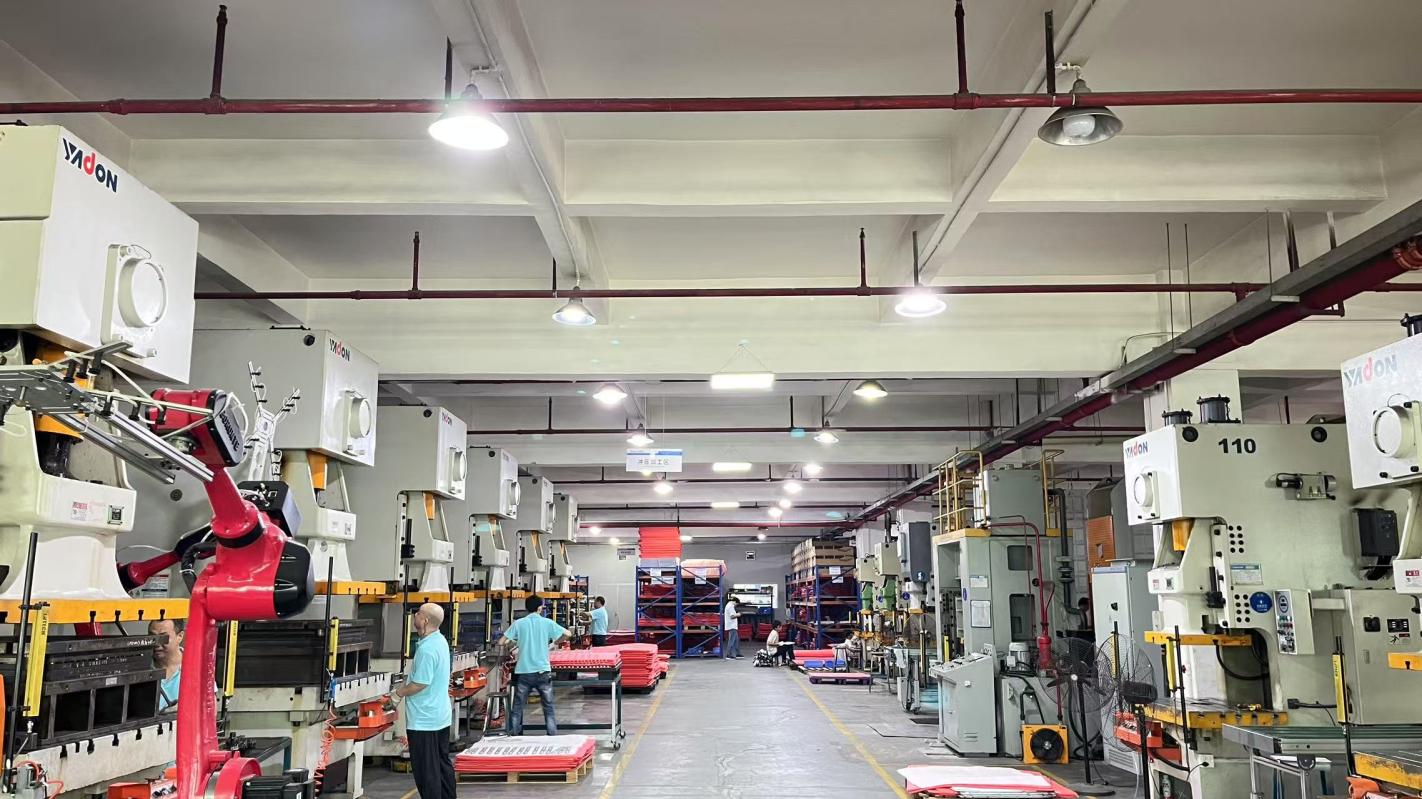
Novram Electronics combines a modern manufacturing facility with high-precision engineering. Our 3,860㎡ facility houses automated SMT lines, advanced environmental chambers, and inline nano-conformal application equipment. This setup supports the high-volume production demands of global computer builders, system integrators, and industrial partners.
Our 76 R&D engineers continuously optimize board layouts, firmware compatibility, and coating formulations. This work yields approximately 138 new product iterations annually, matching the rapid pace of technological change in the global hardware market.

Technical inquiries regarding CE-compliant nano-coatings, structural integration, thermal performance, and global compliance standards.
To secure CE certification, chemical formulations and coated electronic assemblies must comply with the RoHS Directive (2011/65/EU and amendment 2015/863/EU) to ensure they are free of hazardous substances. They must also meet the REACH regulation framework (EC 1907/2006) for chemical safety and clear defined parameters within electromagnetic compatibility (EMC) testing. This ensures that the dielectric nano-layer does not emit or absorb electromagnetic interference under high-voltage operations.
Unlike traditional thick-film acrylic conformal coatings, which act as thermal insulators, molecular-level nano-coatings are applied at ultra-thin thicknesses (typically between 50 to 500 nanometers). Because the layer is thinner than the thermal boundary layer of air, its conductive thermal resistance is negligible. Heat generated by high-frequency DRAM chips is transferred directly to the surrounding air or heatsink structure without thermal traps.
Yes. Due to their ultra-thin molecular profile, many modern fluoropolymer coatings allow direct soldering during rework without the need for chemical stripping agents. The heat of a soldering iron tip easily breaks down the thin nano-layer at the solder joint, permitting clean rework. Following component replacement, the localized area can be spot-recoated to restore the environmental barrier.
High-quality plasma-polymerized nano-films exhibit a dielectric breakdown voltage of 40 kV/mm to over 100 kV/mm, depending on the chemical composition. This allows a sub-micron coating to isolate adjacent electrical tracks on high-density circuits, preventing ESD arcing, leakage currents, and dust-induced short circuits.
High-frequency DDR4 and DDR5 memory modules alongside high-capacity motherboards and thermal dissipation elements.