Novram
Novram
Novram
Explore high-performance DRAM solutions, passive thermal heatsinks, and custom motherboard packages engineered for high-concurrency systems.
Manufacturing Facility
Industry Experience
Annual Export Volume
Professional QA Inspectors
As the backbone of global digital transformation, server infrastructure demands extreme durability, signal integrity, and thermal performance. To stay competitive in an era of hyperscale cloud deployments, edge computing architectures, and heavy AI workloads, system integrators look to specialized manufacturers who can deliver component-level consistency. As a leading hub of server hardware development, Shenzhen houses world-class exporters capable of manufacturing components that meet the rigid parameters of modern enterprise computing.
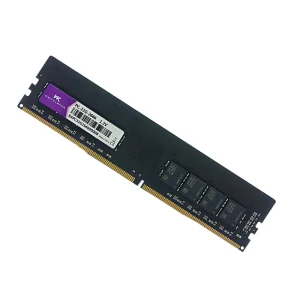
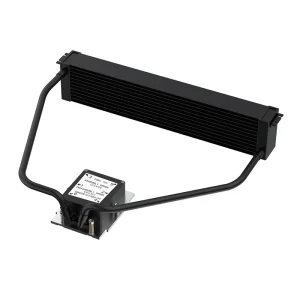
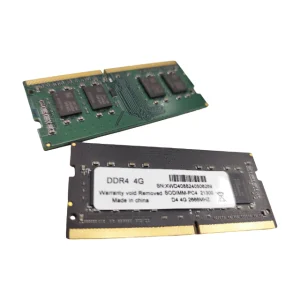
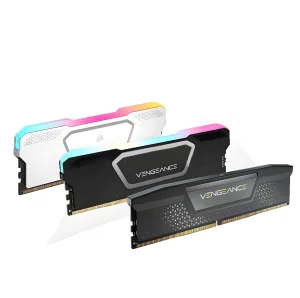
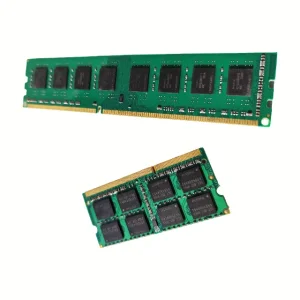
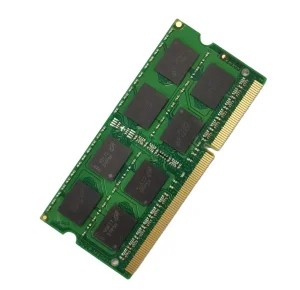
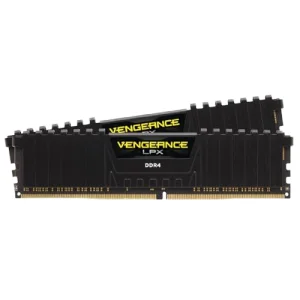
Our operation at Novram Electronics Co., Ltd. bridges the gap between raw board-level manufacturing and ready-to-deploy memory and cooling solutions. By focusing on critical sub-systems such as high-frequency PCBs, high-density DRAM configurations (including DDR4 and next-generation DDR5 platforms), and passive cooling blocks designed for AMD SP5 and Intel LGA4677 sockets, we provide the building blocks necessary to maintain a reliable, continuous-compute architecture.
The global enterprise server landscape has entered a phase of high-density integration. Server processors are escalating in core counts, driving the thermal design power (TDP) of sockets to 350W and beyond. Consequently, general procurement strategies have shifted from buying generalized systems to specifying high-performance, modular sub-assemblies. The requirements can be categorized into three major technical pillars:
| Sub-System Component | Material / Design Standard | Core Functionality | Enterprise Application Case |
|---|---|---|---|
| Enterprise DRAM | DDR4 ECC & DDR5 PMIC Module | High-bandwidth system memory, localized error correction | High-frequency trading, hyper-converged nodes |
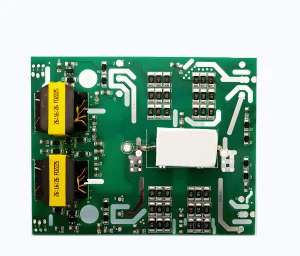
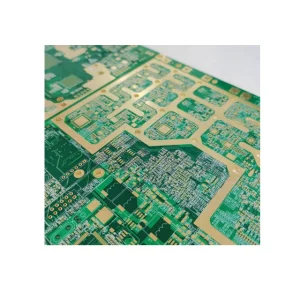
| High-Frequency PCB | Shengyi FR4 TG170 / Rogers 4000 Mixed Pressure | Stable high-frequency signaling, low dielectric loss | PCIe Gen 5.0 motherboard planes, backplanes |
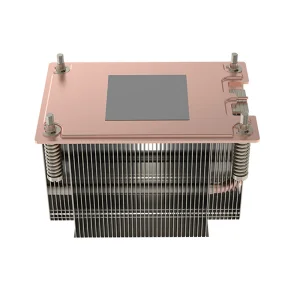
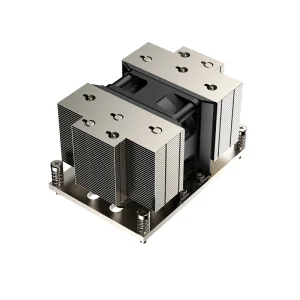
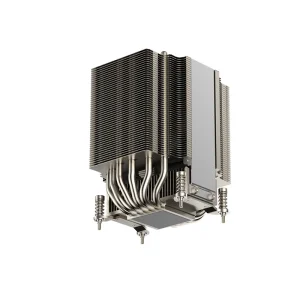
| Passive CPU Coolers | 2U Copper Fin, Vapor Chamber, 200W+ TDP | Fanless passive conduction inside high-airflow chassis | 1U/2U rack servers, AMD SP5 & Intel LGA4677 sockets |
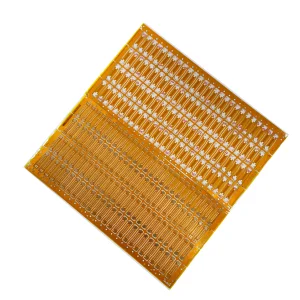
| Flexible PCB (FPC) | Polyimide base (1-2 layers) | Space-saving internal interconnects, dynamic bends | Storage array backplanes, compact server keypads |
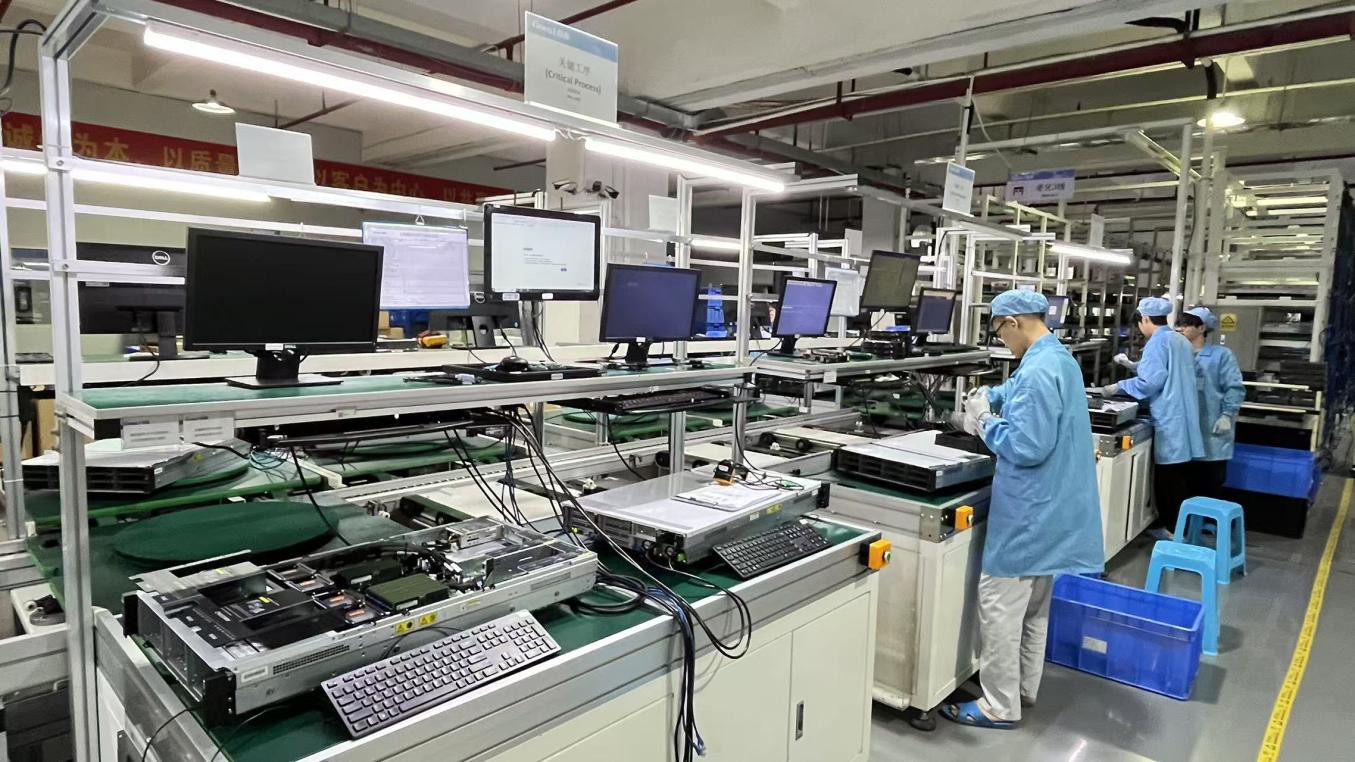
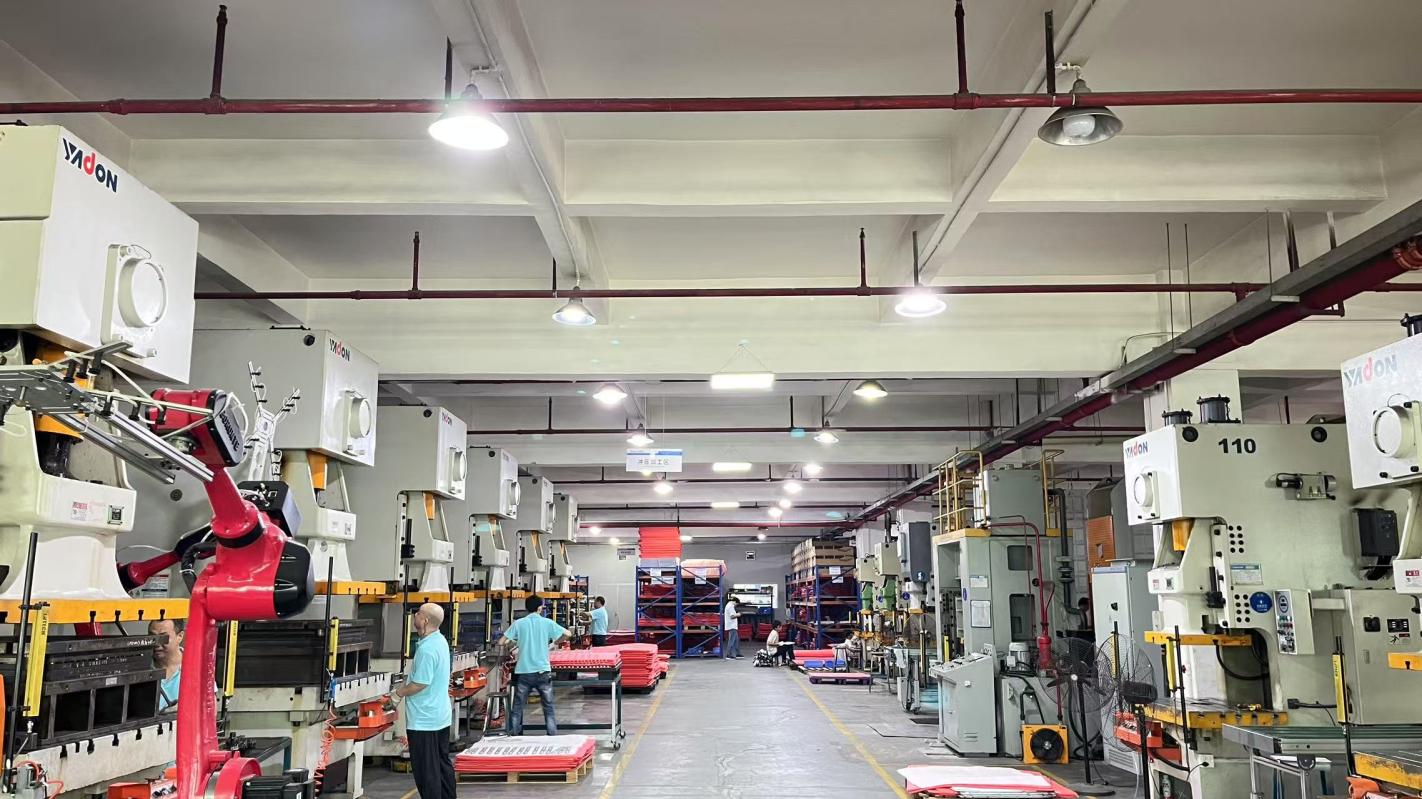
Modern server hardware manufacturing relies heavily on component supply chain density. At our modern 3,860㎡ manufacturing facility in Shenzhen, Novram Electronics integrates advanced production systems that bridge the gap between design and volume distribution. Working with a network of over 860 qualified supply chain partners, we secure access to original DRAM silicon die structures (Samsung, SK Hynix, Micron) and advanced laminates, guaranteeing a steady supply even during volatile market cycles.
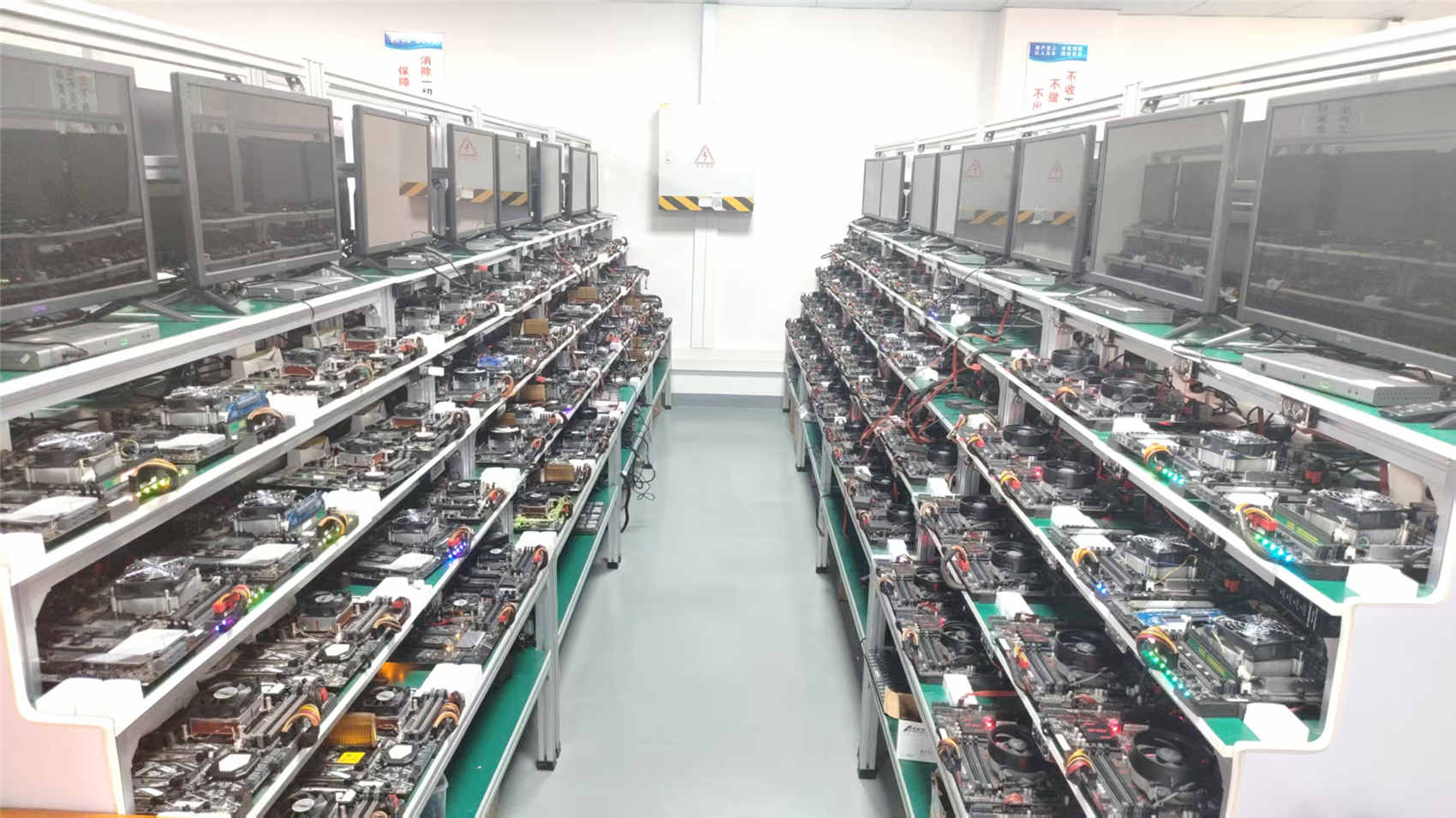
Quality control within our facility is not a final checkpoint; it is an integrated loop. Every DDR5 and DDR4 memory module undergoes a strict testing regimen including 100% functional testing, motherboard compatibility checks, burn-in validation under thermal load, and long-term aging verification. Supported by our team of 42 professional quality inspectors, this setup minimizes the early-life failure rate (infant mortality) of chips, ensuring that system integrators receive components ready for continuous enterprise operation.
The components exported from our facility find use in several critical commercial scenarios:
1. Hyperscale Cloud Datacenters: In these installations, power efficiency and packing density are paramount. By supplying high-performance DDR4 ECC and DDR5 memory modules, we support data centers in maximizing VM (Virtual Machine) densities per node while maintaining low thermal profiles. Passive coolers customized for LGA4677 architectures leverage the high-velocity airflow of chassis fans, eliminating individual CPU fan failures and lowering overall PUE (Power Usage Effectiveness).
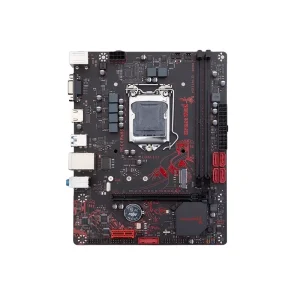
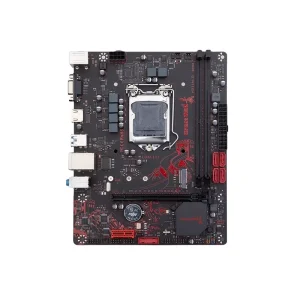
2. Edge AI and Industrial Automation: Edge systems are frequently deployed in harsh, non-climate-controlled environments. Standard DRAM would degrade rapidly. Our high-reliability components, such as high-frequency PCBs and high-TG substrates, ensure signal stability across extreme temperature ranges. Custom motherboard assemblies, such as our H311M-G packages combined with efficient heat dissipation setups, provide the durability needed for smart factory computing units.
3. Telecommunication Infrastructure: Flex PCBs (FPC) and high-frequency Rogers substrates are crucial for 5G baseband units and remote radio heads. These systems require high-speed data transmission with minimal heat generation. The mixed-pressure Rogers 4000 boards we produce enable RF front-ends to handle gigabit data flows without signal degradation.
Backed by nearly a decade of specialization and rigorous engineering development.
We provide custom PCB layouts, private labeling, customized SPD firmware, and custom module profiles to ensure broad compatibility with specialized server motherboards.
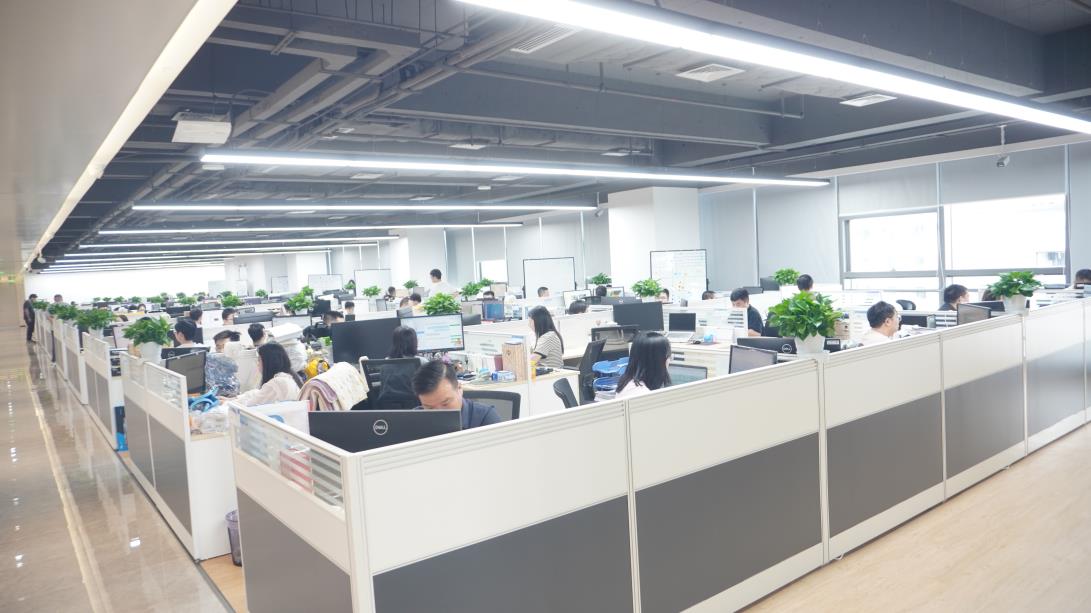
Our R&D division has 76 experienced engineers introducing approximately 138 new products annually, keeping pace with changes in memory standards and socket revisions.
Every component runs through compatibility testing, temperature burn-in, and full functional checks. We maintain strict compliance with international standards for global shipping.
Technical answers about our engineering capabilities, component reliability, and export processes.
Discover high-capacity server memory, cooling units, custom PCB designs, and industrial components.
A glimpse inside our 3,860㎡ factory floor equipped with modern SMT lines and testing stations in Shenzhen, China.