Novram
Novram
Novram
Explore our advanced structural substrates, radiators, and electronics assemblies optimized for extreme thermal efficiency.
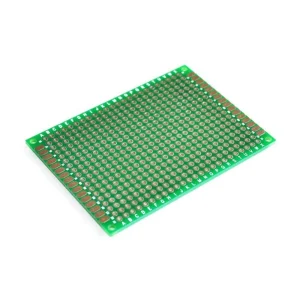
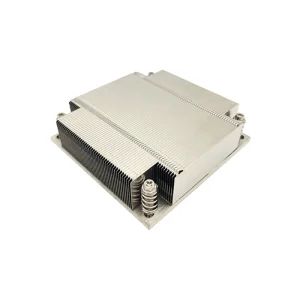
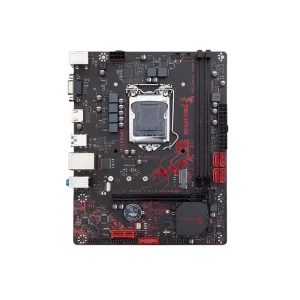
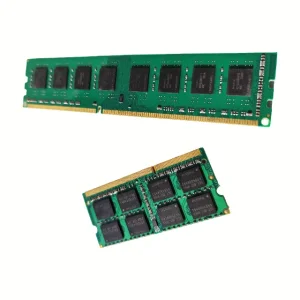
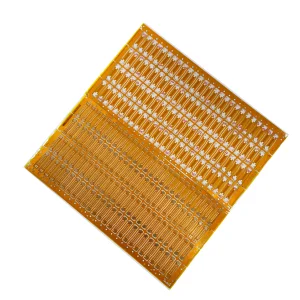
In modern power electronics and solid-state lighting design, thermal management is no longer a secondary consideration—it is a limiting constraint on system efficiency, reliability, and device lifespan. Aluminum Circuit Boards (commonly classified under Metal Core Printed Circuit Boards - MCPCBs) have emerged as the premier structural substrate for high-power circuits. By replacing conventional FR4 epoxy-glass substrates with a metal base, these boards deliver a thermal dissipation performance that is magnitudes higher, allowing design engineers to drive components to their maximum potential without compromising safety factor limits.
Unlike standard FR4 boards, an aluminum-backed PCB is engineered specifically to form a low-thermal-resistance path between heat-generating components (such as high-power LEDs, FETs, and IGBTs) and the surrounding chassis or external heatsink. The board is structured in three primary layers, each serving a unique mechanical and electrical role:
| Aluminum Alloy Type | Thermal Conductivity (W/m·K) | Tensile Strength (MPa) | Key Application Scenario |
|---|---|---|---|
| Aluminum 1060 | 220 - 230 | 60 - 95 | High-density LED lighting arrays, standard backlights. |
| Aluminum 5052 | 138 | 190 - 230 | Automotive headlights, industrial power supplies, high-vibration systems. |
| Aluminum 6061 | 167 | 260 - 310 | Heavy-duty machinery controls, structural chassis integration. |
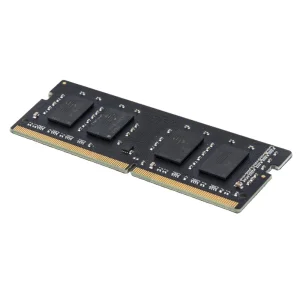
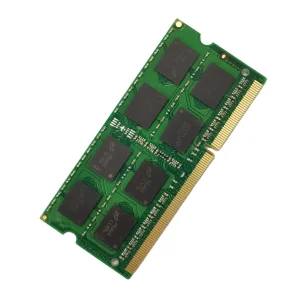
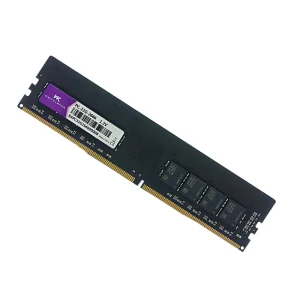
Leveraging state-of-the-art production lines to deliver high-reliability DRAM modules and custom metal-clad PCBs globally.
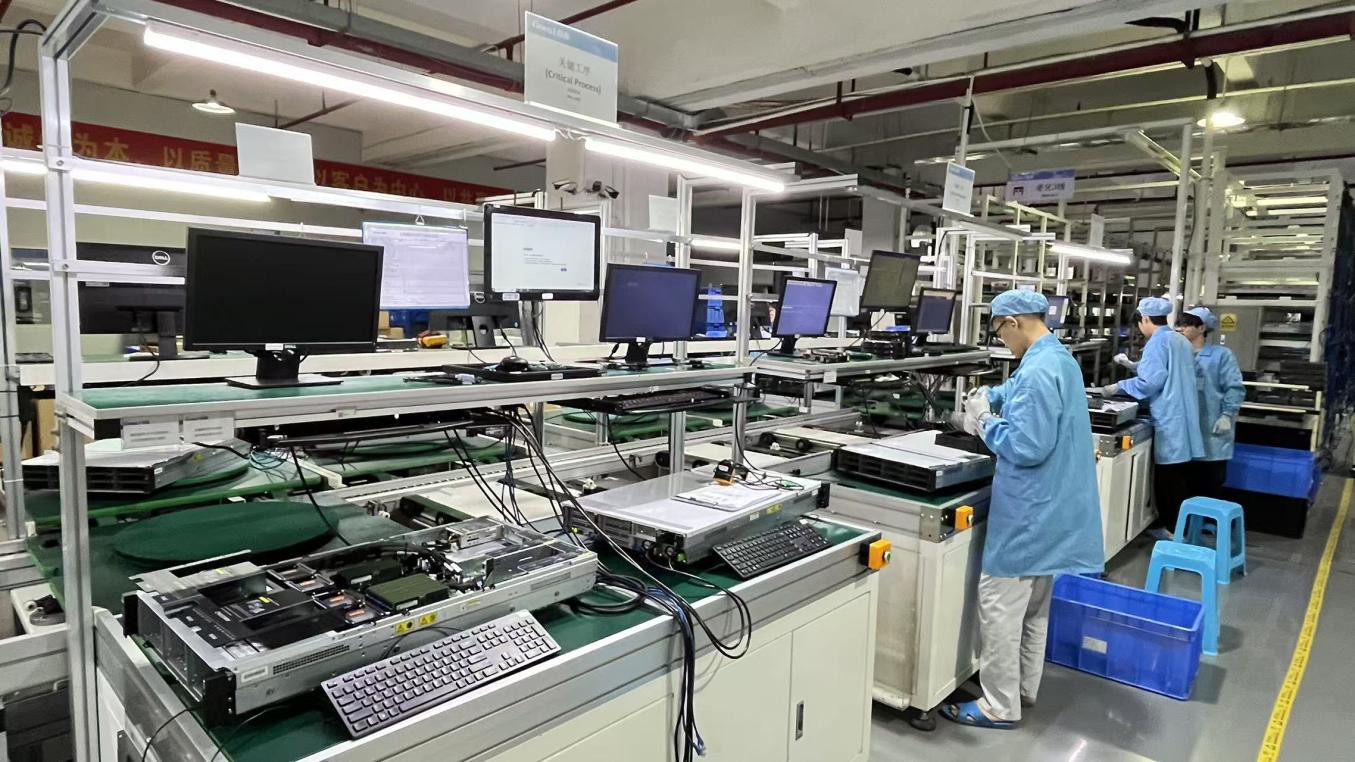
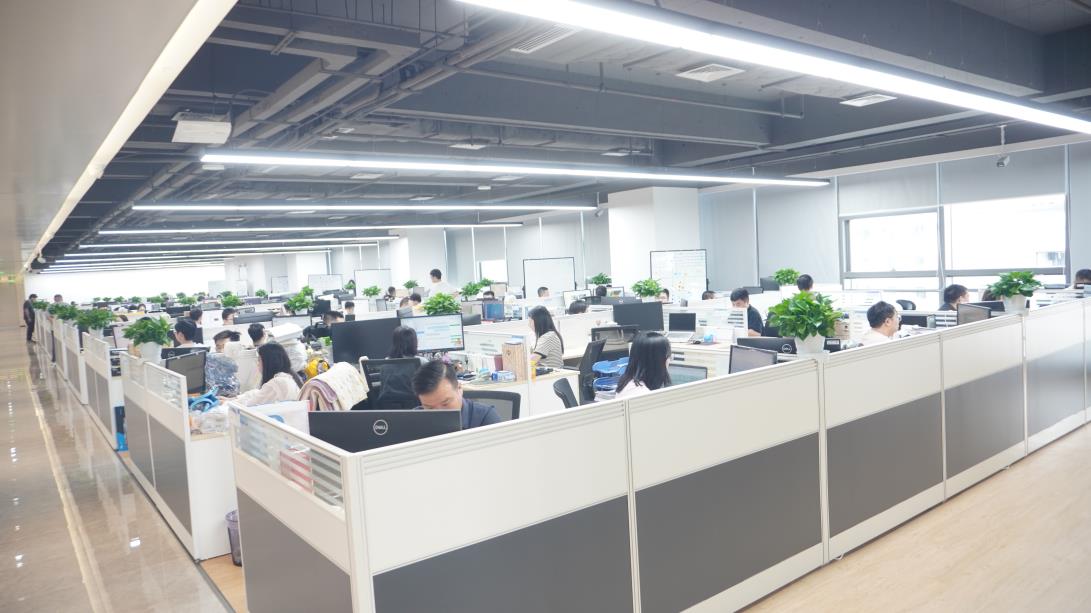
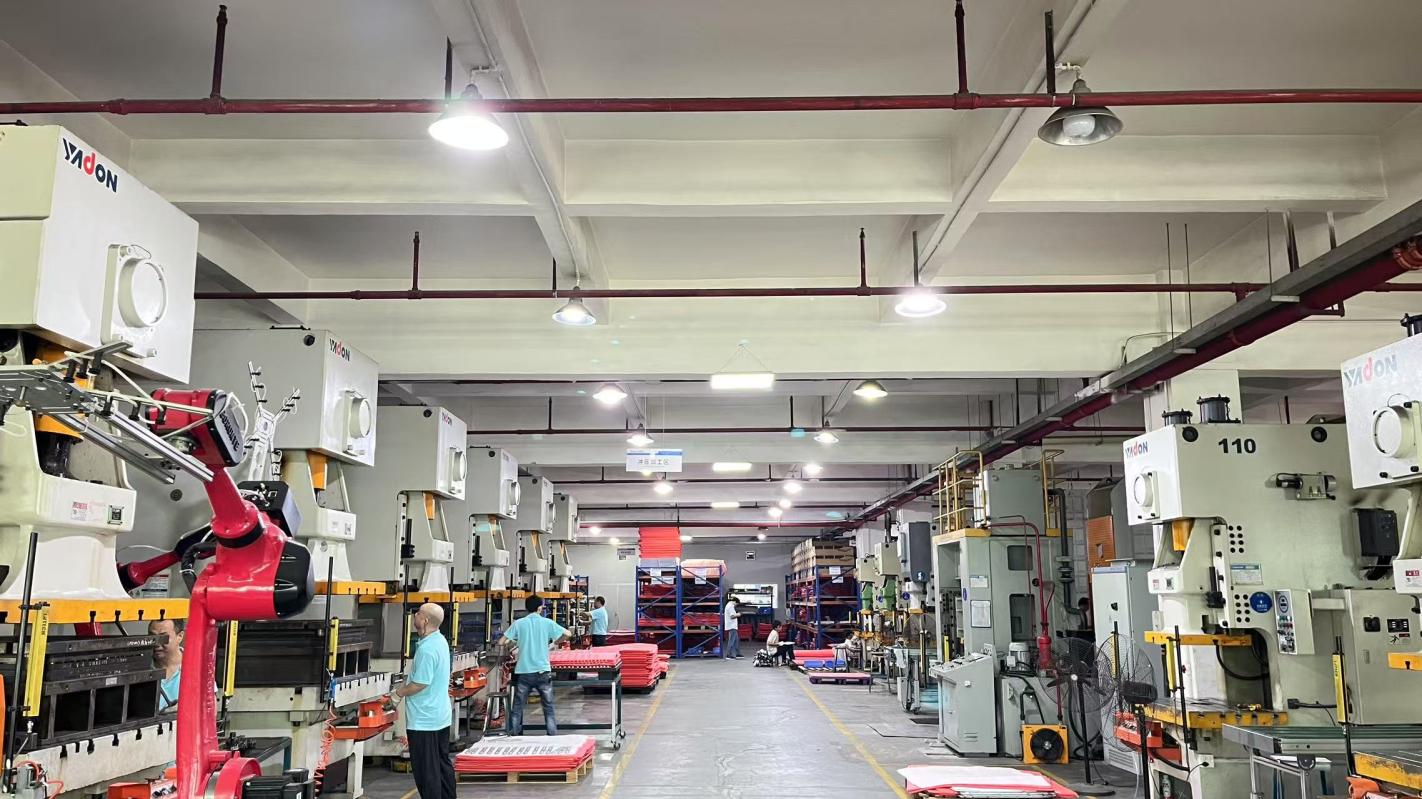
Novram Electronics Co., Ltd. is a professional electronic manufacturer based in Shenzhen, China. Dedicated to delivering high-performance hardware solutions for global OEM, ODM, and industrial customers, the company has established a premier reputation in precision DRAM memory systems, high-speed printed circuits, and advanced substrates. Established in 2016, our production lines process everything from memory modules to specialized MCPCBs, serving partners across consumer electronics, industrial automation, embedded computing, server hardware, and automotive lighting.
Operating from a modern 3,860m² manufacturing facility, Novram integrates advanced SMT (Surface Mount Technology) assembly equipment, automated optical inspection systems, and strict quality control processes. Our experienced engineering team focuses on developing high-speed, stable, and heat-efficient products tailored for diverse computing and power applications.
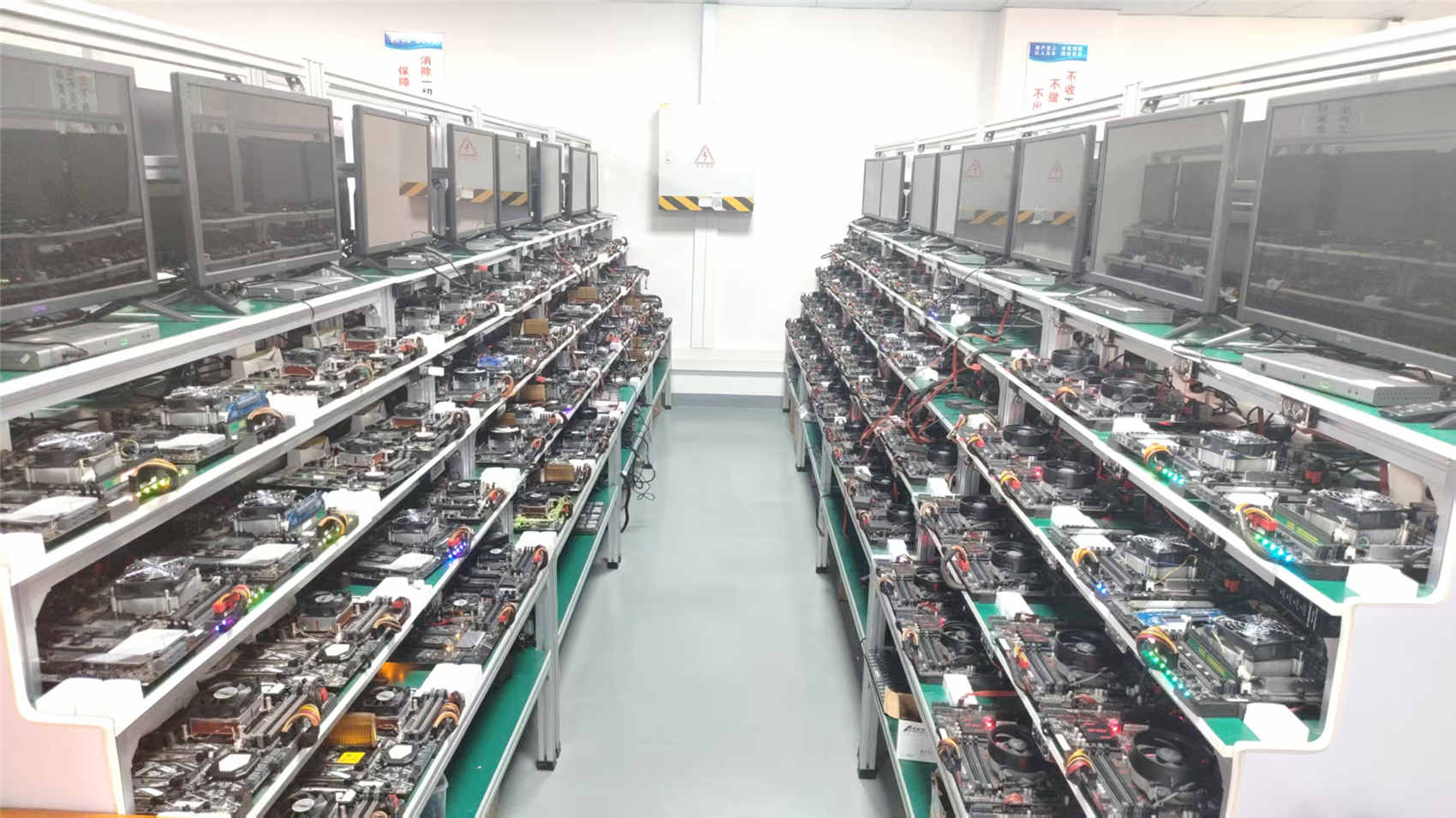
Quality is at the core of everything we do. Every electronic assembly and PCB substrate undergoes 100% functional testing, compatibility testing, burn-in testing, thermal cycle verification, and aging verification before shipment. Our dedicated quality control department consists of 42 professional inspectors, ensuring consistent product performance and long-term reliability. With 9 years of industry experience and 7 years of export experience, Novram exports products to customers in more than 40 countries, achieving an annual export revenue of approximately US$18.6 million.
Furthermore, Novram maintains strong partnerships with over 860 qualified supply chain partners, enabling stable raw material and IC sourcing even during global component allocation cycles. We provide comprehensive OEM, ODM, private label packaging, capacity customization, and customized layer-stackup design to meet global market specifications.
Understanding why leading electronic OEMs consolidate their Metal Core PCB and substrate sourcing in Shenzhen's specialized clusters.
Shenzhen hosts the most dense concentration of PCB manufacturers, raw copper-clad laminate (CCL) producers, and SMT lines in the world. This ecosystem minimizes transportation delays and facilitates rapid fabrication scaling.
Access to premier laminate manufacturers (such as Ventec, Bergquist, and Kingboard) ensures we supply dielectrics with varying thermal conductivities (1.0 W/m-K up to 8.0 W/m-K) matching specific cost and thermal targets.
Full adherence to RoHS, REACH, UL 94V-0, and ISO9001 standards. Our factories meet IATF 16949 requirements for automotive components, securing safety and long operating lifetimes for critical assemblies.
How industries implement Aluminum PCBs to solve thermal problems across consumer, automotive, and high-performance computing markets.
LEDs generate minimal infrared/UV light, but they dissipate significant amounts of heat directly at the junction of the semiconductor die. Standard FR4 PCBs cannot conduct this heat away fast enough, causing high junction temperatures that lead to rapid degradation of luminous flux and color shifts. Aluminum circuit boards are the standard industry solution, dissipating heat directly from the package to a metal backing. In automotive exterior headlamps, where ambient temperatures inside the engine compartment are high, 5052-alloy MCPCBs provide the mechanical strength and thermal conductive properties necessary to keep high-brightness LEDs operating safely under extreme vibration.
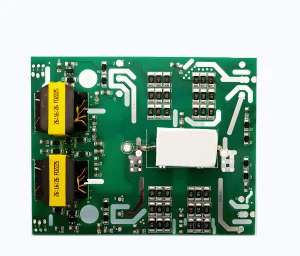
Modern electric drivetrains, solar inverters, and heavy welding machinery (such as IGBT driver modules and DC-DC converters) rely on high switching frequencies that generate heavy localized heat loads. An aluminum substrate provides a direct thermal bridge to the system's cooling plate. By mounting discrete components directly on an aluminum board, manufacturers can reduce the structural footprint of the system by eliminating the need for bulky custom finned heat sinks directly on top of the components.
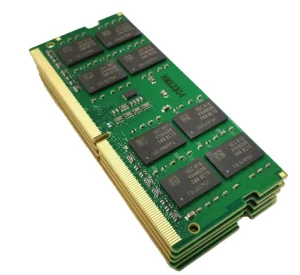
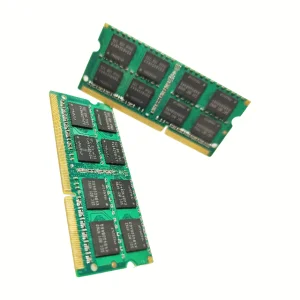
From server power supplies to high-performance DDR5 memory modules and CPUs, cooling demands are scaling rapidly. Implementing specialized aluminum backings, heat-spreaders, and server radiators (such as the 95W server air-cooled radiators) is crucial for maintaining computing stability in data center environments. With thermal limits on chips being pushed, these boards allow components to maintain maximum clock speeds without throttling due to thermal limits.
The electronic manufacturing industry is experiencing several shifts that directly impact the design, fabrication, and testing of metal-backed circuit boards:
Traditional dielectrics of 100µm to 150µm thickness introduce a certain level of thermal resistance. The industry is trending toward ultra-thin dielectric layers (down to 50µm or 38µm) utilizing proprietary resin blends filled with nano-ceramic particles. These ultra-thin layers reduce thermal path length, dropping thermal resistance by up to 50% while still maintaining a high dielectric breakdown voltage of over 4kV AC.
To reduce inductive parasitics and save surface space, advanced designers are looking into embedding components directly into the core or laminate structures of multi-layer MCPCBs. This requires advanced laser cavities, high precision milling, and extremely stable material thermal expansions (CTE matching) to avoid mechanical shear stresses under temperature cycling.
For complex logic controls paired with high-power switching stages, hybrid PCBs are becoming popular. In these designs, control circuitry is routed on a standard multi-layer FR4 structure, which is then laminated with thermal adhesive to an aluminum or copper carrier plate where the power components are mounted. This delivers the high routing density of FR4 alongside the thermal capabilities of a metal core.
Key technical answers to aid engineering design reviews and procurement processes for Aluminum Circuit Boards.
The primary advantage is thermal dissipation. Aluminum has a thermal conductivity that is roughly 10 to 50 times higher than that of standard FR4 epoxy glass. This rapid heat dissipation keeps junction temperatures low, expanding component lifetimes and allowing higher power output densities.
Aluminum 5052 is the industry standard for high-vibration, automotive, and military electronics. It features higher tensile strength and fatigue resistance compared to Aluminum 1060, while still providing excellent thermal conductivity.
Yes. While single-sided Aluminum PCBs are the most common and cost-effective, multi-layer MCPCBs are fully supported. In these designs, multiple circuit layers are laminated together with thin dielectrics, and the entire stack-up is then bonded to the aluminum base plate. Plated through-holes (PTH) must be insulated from the aluminum base to prevent shorting.
Lead-free HASL, ENIG (Electroless Nickel Immersion Gold), and OSP (Organic Solderability Preservatives) are standard. ENIG is highly recommended for fine-pitch surface mount devices (SMD) because it provides a perfectly flat mounting surface and excellent oxidation resistance.
By selecting a dielectric layer with high electrical isolation parameters. We specify materials with dielectric breakdown strength ratings exceeding 3kV AC, 4kV AC, or even up to 8kV AC, ensuring reliable performance in motor control inverters and high-voltage automotive chargers.
Browse our selection of server-grade modules, industrial controller driver boards, and flexible PCB technologies.