Novram Novram

China Wholesale Electronics Components Factories & Supplier

A Comprehensive Industry Whitepaper on Enterprise-Grade DRAM, PCB Design, Thermal Solutions, and Resilient Electronics Manufacturing

Factory Profile

Novram Electronics: Pioneers in High-Performance DRAM Solutions

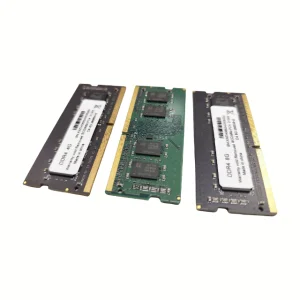
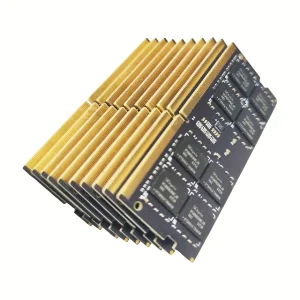
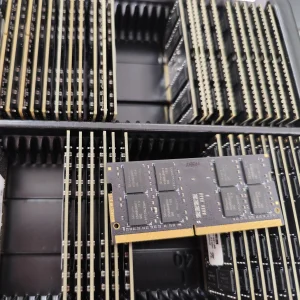
Operating as a specialized DDR5 and DDR4 memory manufacturer based in Shenzhen, China, Novram Electronics Co., Ltd. delivers high-performance, enterprise-grade DRAM solutions for global OEM, ODM, and industrial enterprises.

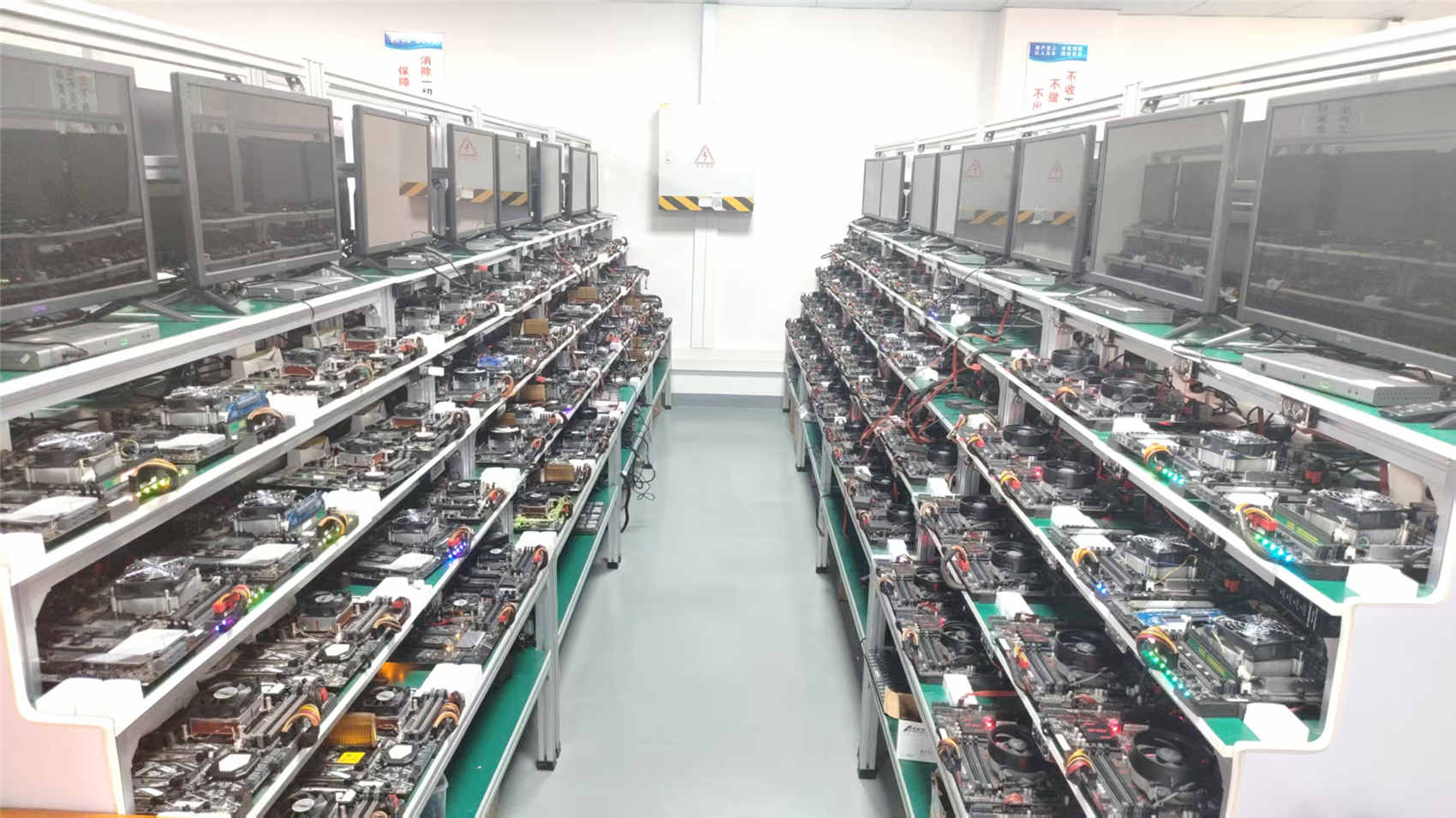
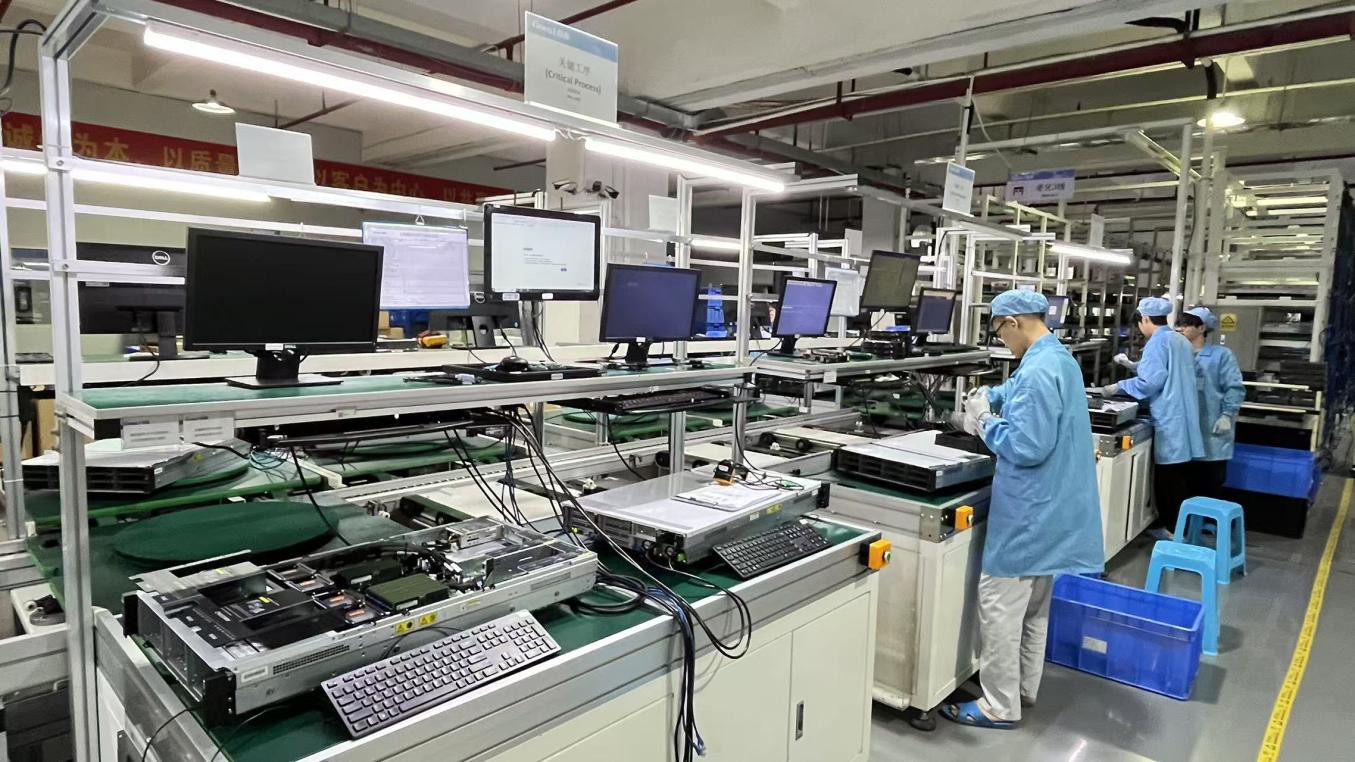
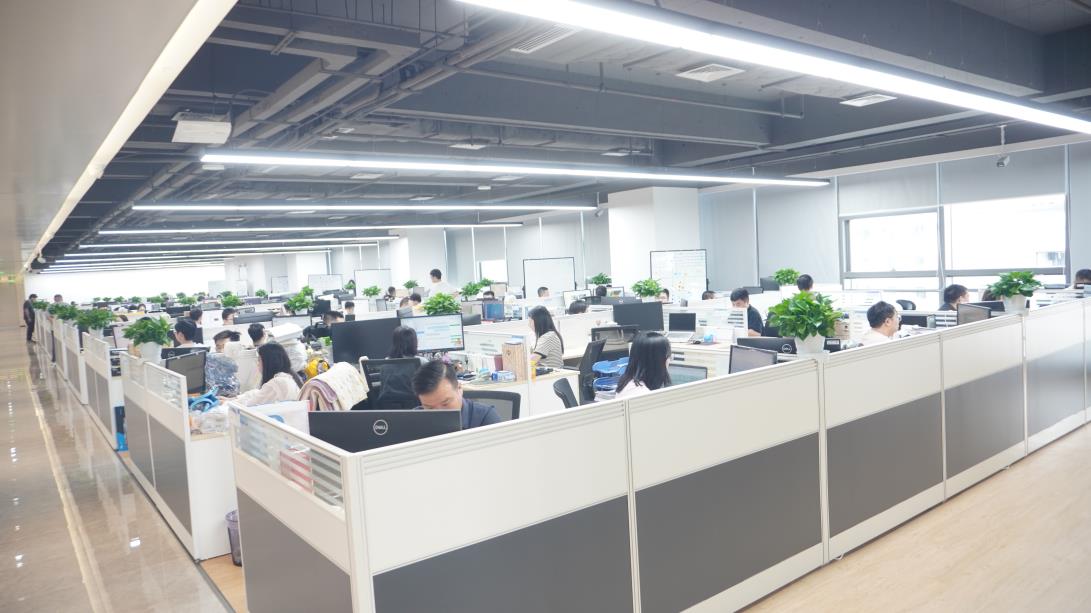
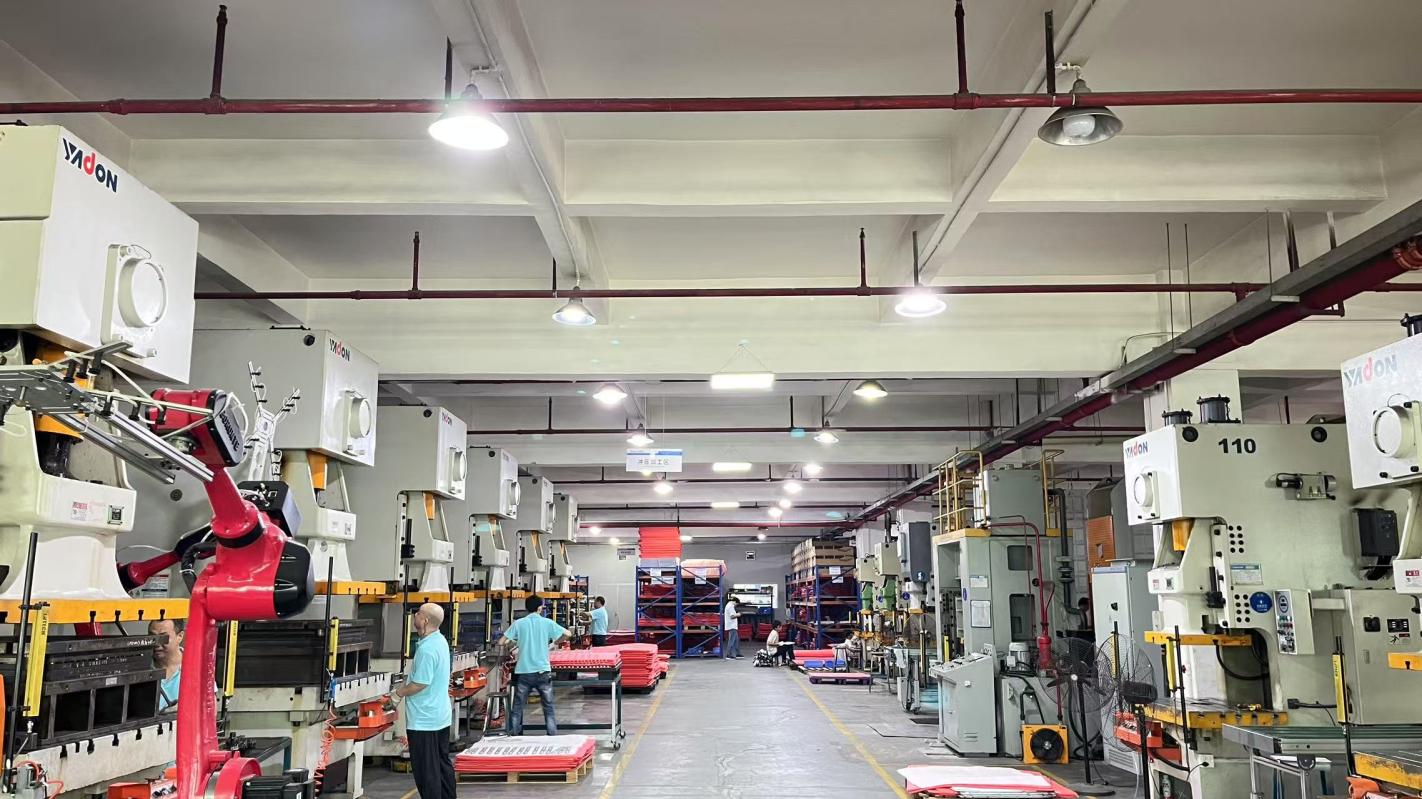
Established in 2016, our trajectory has been defined by rigorous technical excellence and structural supply chain integrity. With a modern 3,860㎡ manufacturing facility, we integrate advanced high-speed SMT assembly, automated optical testing, and thorough validation systems. Our operations serve partners across diverse industrial matrices, including industrial automation, system integration, high-frequency gaming, and server infrastructure environments.

Over our 9 years of industry experience and 7 years of export history, we have established stable partnerships with over 860 qualified supply chain partners. We export to over 40 countries, generating an annual export revenue of US$18.6 million. By focusing on rigorous verification standards, we ensure that every memory module, heatsink, or customized board provides long-term reliability for demanding operations.

Novram SMT Production Line
3,860㎡
Production Space
42
QC Inspectors
76
R&D Engineers
138+
New Products / Year

100% Comprehensive Testing

Every DDR4 and DDR5 memory module undergoes exhaustive functional, compatibility, burn-in, thermal, and aging verification to ensure high stability in stressful environments.

Custom OEM/ODM Engineering

From private labeling, logo printing, and customized capacity options to advanced firmware tuning, our 76 R&D engineers tailor products to specific market specifications.

Supply Chain Resilience

Leveraging deep industrial partnerships in Shenzhen, we ensure continuous material access, stable pricing matrices, and quick delivery turnarounds for global partners.

Industry Insight Whitepaper

Structural Shifts in the Global Electronics Components Landscape

The global electronics component supply network is undergoing a significant transition. Driven by rapid developments in Artificial Intelligence (AI), Edge Computing, IoT, and high-frequency communication protocols, procurement teams face high-stakes technical choices. High-frequency memory modules, optimized PCB configurations, and advanced thermal cooling solutions are no longer optional—they are essential for systems stability.

1. The Transition to DDR5 and High-Bandwidth Architecture

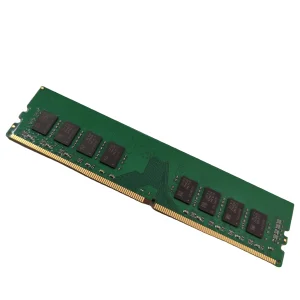
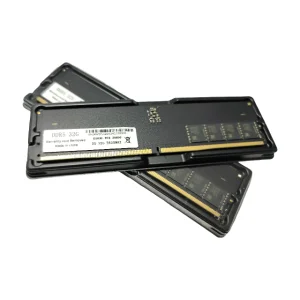
The shift from DDR4 to DDR5 marks a major architectural change. Operating at base speeds from 4800MHz to 6000MHz and beyond, DDR5 addresses critical performance needs for modern processing systems. Key innovations include:

  • On-Die ECC (Error Correction Code): By resolving errors inside the DRAM chip before data is sent to the CPU, on-die ECC enhances reliability in critical system applications.
  • Integrated PMIC (Power Management IC): Moving power management from the motherboard to the module reduces voltage drop, decreases thermal loads, and allows finer voltage adjustment (operating at 1.1V compared to DDR4’s 1.2V).
  • Dual 32-bit Subchannels: DDR5 divides its 64-bit data bus into two independent subchannels, improving memory access efficiency and reducing latency in multi-core processing environments.

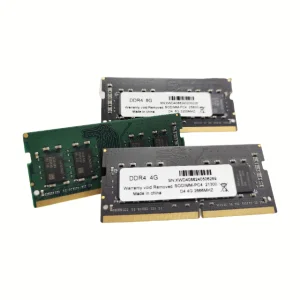
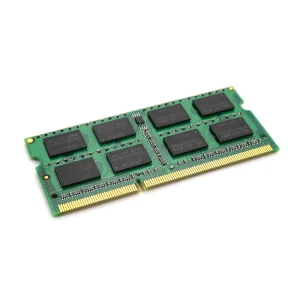
For systems that require high stability, wholesale DDR4 solutions operating at 2400MHz, 2666MHz, and 3200MHz remain cost-effective choices for legacy platforms, industrial PCs, and mainstream computing systems.

2. Global Procurement Challenges: Mitigating Risk & Validating Quality

Procuring electronic components from overseas factories requires careful validation. Component degradation, unstable firmware, and sub-par raw materials can compromise enterprise operations. Strategic procurement managers focus on several key pillars:

  • Traceability of Integrated Circuits (ICs): Sourcing original DRAM chips from tier-1 manufacturers prevents early component failures.
  • Strict Thermal Screening: Testing memory modules and PCBA boards under thermal cycles (ranging from -40°C to +85°C for industrial setups) ensures performance stability in challenging environments.
  • Compliance and Environmental Certifications: Adhering to CE, FCC, and RoHS standards is required for seamless cross-border distribution and regulatory compliance in European and American markets.

China Industry 4.0: Resilient Manufacturing & Efficiency Advantages

Shenzhen remains a core hub for the electronics manufacturing supply chain. This ecosystem combines automated SMT (Surface Mount Technology) systems, quick PCBA prototyping, and localized mechanical and thermal component sourcing.

By using automated manufacturing equipment, Chinese factories minimize human assembly errors. Modern SMT lines integrate automatic solder paste printing, SPI (Solder Paste Inspection), high-speed chip placement, multi-zone reflow soldering, and post-reflow AOI (Automated Optical Inspection). This rigorous process enables high throughput and consistent quality across memory modules, multi-layer PCBs, and IGBT driver boards.
3. Thermal Management & PCB Assembly Engineering

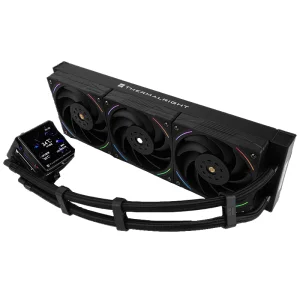
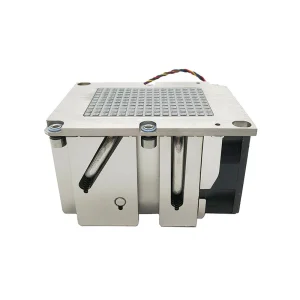
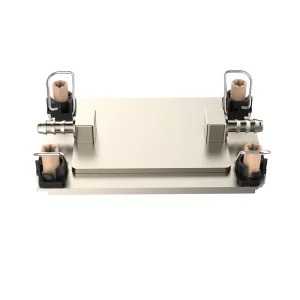
As computational densities increase, cooling becomes critical for system reliability. High-performance processors generating 200W to 400W TDP require advanced cooling solutions. In 1U or 2U server chassis configurations, copper water-cooling blocks (such as LGA4677 or LGA4189 systems) and high-density aluminum fins with copper heat pipes help control temperature levels, preventing thermal throttling.

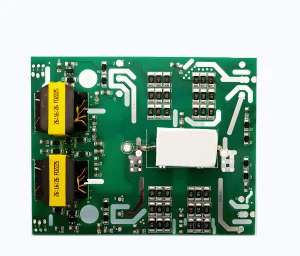
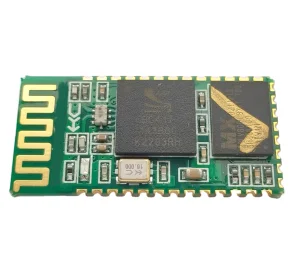
Similarly, specialized applications like high-sensitivity metal detectors and high-power inverter welding machines (e.g., ZX7-315-400 IGBT) rely on robust PCB design and component quality. These circuit boards must use high-TG FR-4 substrates, heavy copper layers to support high current loads, and reliable gate driver designs to protect the power modules from voltage spikes.
Technical FAQ

Electronics Sourcing & Engineering Q&A

1. What are the key differences between DDR4 and DDR5 memory modules for server systems?

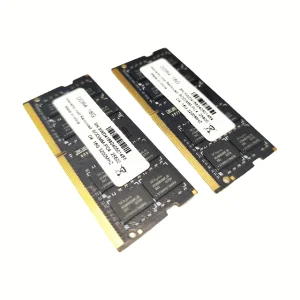
DDR5 improves performance over DDR4 by doubling the burst length from 8 to 16, utilizing two independent 32-bit subchannels, and operating at a lower base voltage of 1.1V. It also shifts power management from the motherboard to the module using a Power Management IC (PMIC). The inclusion of On-Die ECC (Error Correction Code) helps resolve internal bit errors, improving reliability in demanding server configurations.

2. How does Novram Electronics ensure compatibility and quality across different motherboard chipsets?

Our quality assurance program involves a 100% testing process. Each production batch undergoes testing on motherboards from major brands (Intel and AMD chipsets). This process includes thermal chamber testing (ranging from low to high operating temperatures), signal integrity measurements, and extended burn-in testing to verify module stability before shipment.

3. Why is copper liquid cooling preferred over aluminum heat sinks for high-TDP processors?

Copper features a thermal conductivity of approximately 401 W/m·K, which is significantly higher than aluminum's 205 W/m·K. This higher conductivity allows copper water blocks to transfer thermal energy away from high-power CPUs (like LGA4677 or LGA4189) more quickly. Liquid cooling configurations help maintain stable operating temperatures under high computational workloads, reducing the risk of thermal throttling.

4. What customization options (OEM/ODM) are available for memory modules?

We provide comprehensive design and assembly customization. This includes custom PCB layouts, selective DRAM IC screening, tailored capacity configurations (4GB, 8GB, 16GB, 32GB, 64GB), specialized SPD/firmware optimizations for industrial hardware, client logo screen-printing, and customized retail packaging designs.

5. What electrical challenges do IGBT driver boards face in welding machines (like the ZX7-315)?

IGBT driver boards operate in high-frequency switching environments and must handle significant back-EMF and electrical noise. These designs require high-voltage optocoupler isolation to protect control circuit pathways, optimized gate resistance to manage switching times, and layout designs that minimize parasitic inductance. This setup prevents gate-emitter overvoltage risks, helping to ensure long-term stability.