Novram
Novram
Novram
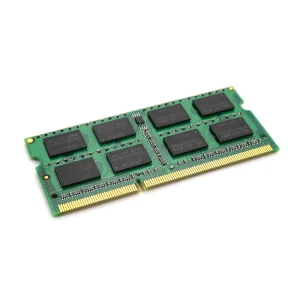
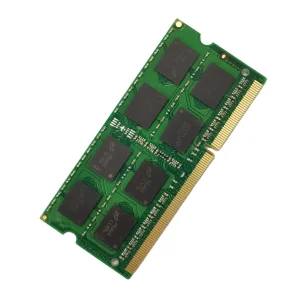
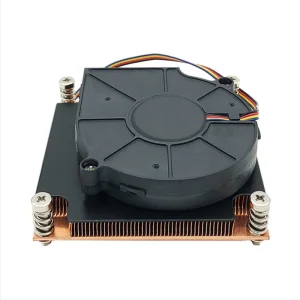
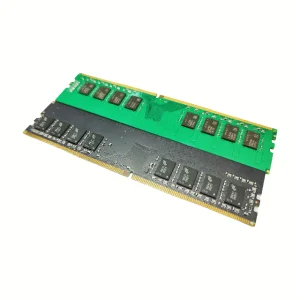
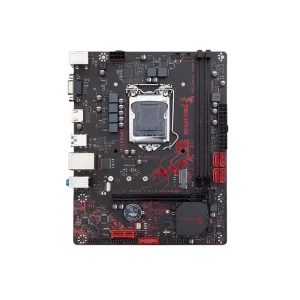
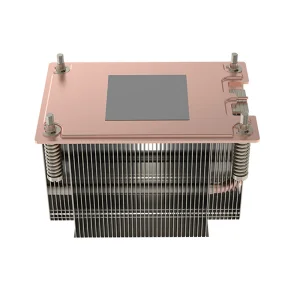
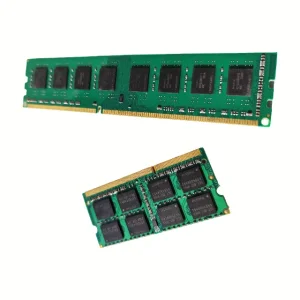
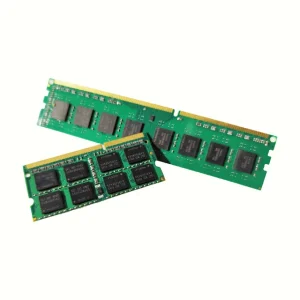
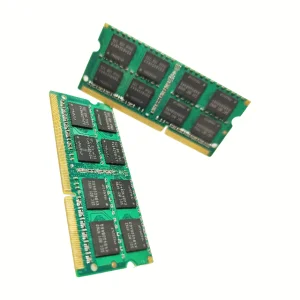
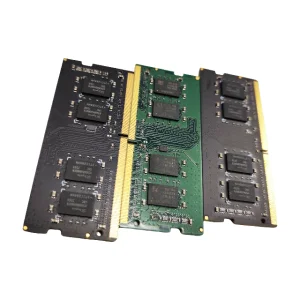
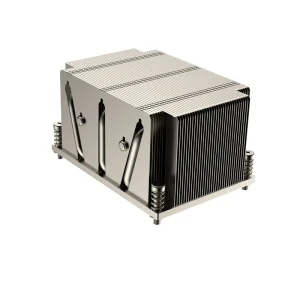
Discover our core SMT assemblies, processor heatsinks, high-frequency memory modules, and multi-layered circuit designs utilized by global IT hardware brands.
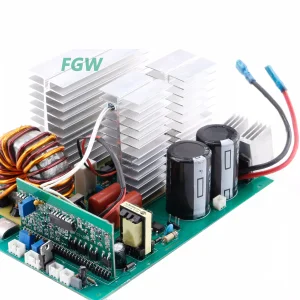
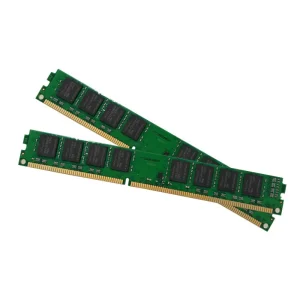
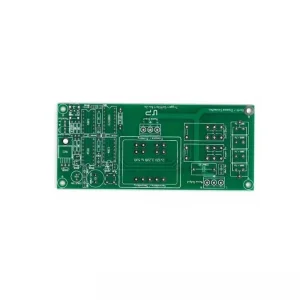
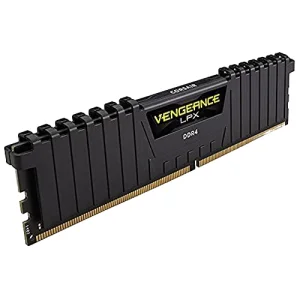
In the hyper-connected landscape of modern IT infrastructure, office automation, and industrial control environments, the USB hub is no longer a simple peripheral. It is a critical bridge for high-speed signal pathways, high-wattage power delivery (USB-PD), and multi-display graphic interfaces. Novram Electronics Co., Ltd. approaches the design and manufacture of high-performance USB hubs and docking stations with the precision of a high-speed semiconductor manufacturer.
Utilizing our state-of-the-art 3,860㎡ manufacturing facility in Shenzhen, China, we apply high-speed signal integrity engineering—perfected through years of designing DDR5/DDR4 high-speed memory modules—to construct multi-port USB hubs, enterprise-grade USB-C/Thunderbolt 4 docking stations, and heavy-duty industrial USB splitters. Our hardware features specialized ESD protection circuits, electromagnetic interference (EMI) shielding, and custom thermal management components that maintain peak performance even under maximum multi-channel data and power loads.
Understanding the technical shift in corporate workspace solutions, industrial computing, and commercial custom procurement.
The global market for USB Hubs and connectivity interfaces has entered a major transition phase. Driven by the mass adoption of USB-C (Type-C) connectors as the universal standard and the emergence of USB4 and Thunderbolt 4 protocols, enterprises are moving away from single-purpose adapters to intelligent, multi-functional docking hubs. These modern architectures require precise, reliable power negotiation, stable high-frequency data pathways, and robust physical components.
At the industrial level, USB hubs are increasingly deployed in harsh environments—such as smart factories, automotive testing rigs, medical diagnostic suites, and retail point-of-sale (POS) systems. In these scenarios, consumer-grade hubs quickly fail due to thermal throttling, lack of power isolation, or electromagnetic interference. Industrial-grade USB hub procurement now demands features like galvanic isolation, over-voltage protection, rugged aluminum enclosures, and dedicated power management ICs (PMICs) that handle up to 240W Power Delivery (PD 3.1) standards.
Utilizing impedance-matching multi-layer PCBs (up to 8 layers) to minimize insertion loss, cross-talk, and signal attenuation at 10Gbps/40Gbps transmission speeds.
Equipped with Smart ICs for power management, ensuring safe distribution of up to 100W/240W PD without causing device drops or thermal spikes.
Integrated with passive copper heat spreaders and specialized thermal pads within CNC aluminum structures, avoiding thermal throttling on heavy data loads.
How Shenzhen's electronics ecosystem, SMT infrastructure, and supply chain density create an unmatched cost-to-performance ratio.
Shenzhen, China, is widely recognized as the global capital of electronic components manufacturing. But the true advantage of partnering with a Shenzhen-based OEM/ODM supplier like Novram Electronics lies in our high operational density and immediate access to raw materials and component supply chains.
From the sourcing of raw ICs (such as Realtek, Cypress, VIA, and Genesys Logic controller chipsets) to custom CNC milling for metal housings, every step of the production cycle happens within a 50-mile radius. This concentration reduces turnaround times and keeps pricing competitive.
Our engineering department, featuring 76 specialized technicians, designs high-frequency PCB layouts and simulates thermal behavior and signal integrity before starting physical fabrication.
High-precision SMT lines place microcontrollers, power regulators, resistors, and connectors onto multi-layered FR4 boards, maintaining low defect rates and solder consistency.
Using specialized testing gear, our quality assurance inspectors evaluate every port for data transmission rates, PD negotiation stability, and ESD protection performance.
Assembled hubs are mounted into CNC-cut aluminum or impact-resistant ABS enclosures, followed by long-duration burn-in cycles to confirm reliability under extreme conditions.
Select the ideal engineering profile based on your target market requirements and operating environments.
| Feature Set | Consumer-Grade Hubs | Enterprise Docking Stations | Industrial Multi-Port USB Hubs |
|---|---|---|---|
| Chassis Construction | ABS Plastic or Basic Thin Aluminum | Anodized CNC Aluminum Alloy | Heavy-Duty Steel / Galvanized Metal SECC |
| Controller Chipset | Standard Entry-level (480Mbps / 5Gbps) | Premium (USB 3.2 Gen 2 / USB4 / TB4) | Ruggedized Dual-Controller (High-Reliability) |
| Over-Current Protection | Simple Fuse | Multi-Channel Intelligent PMIC | Per-Port Isolation, 15kV ESD Protection |
| Thermal Interface | Air Cooled (Minimal Heat Dissipation) | Thermal Pads + Aluminum Case Heat Dissipation | Dedicated Heat Sinks / Active Cooling Option |
| Power Input | Bus-Powered only | External USB-PD Charger (Up to 100W) | Wide-Range DC Terminal Block Input (9-36V) |
| Mounting Options | Desktop-Only (Loose) | Desktop-Only (Vertical/Horizontal Stands) | DIN-Rail, Wall Mount, Rack Mount |
How we utilize our extensive production facility and qualified vendor base to deliver custom ODM/OEM solutions.
At Novram Electronics, we maintain strong partnerships with over 860 qualified supply chain partners, which allows us to procure high-grade capacitors, reliable connectors, and specialty controller chips even during tight supply periods. Our quality control department is staffed by 42 professional inspectors who run structured testing protocols on all components, intermediate assemblies, and finished products.
We provide custom solutions to meet specific market requirements:
A look inside our 3,860㎡ Shenzhen electronics manufacturing plant, featuring high-speed SMT assembly, testing benches, and cleanroom operations.
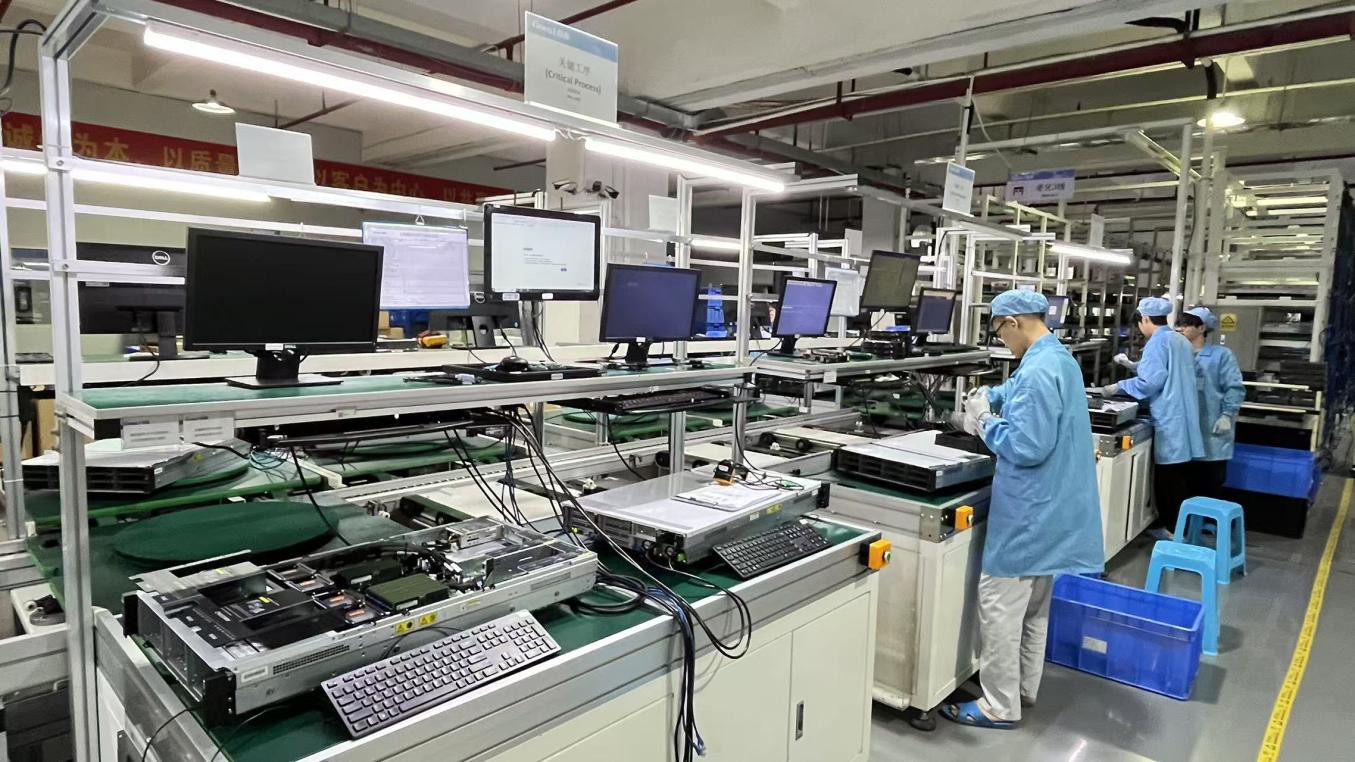

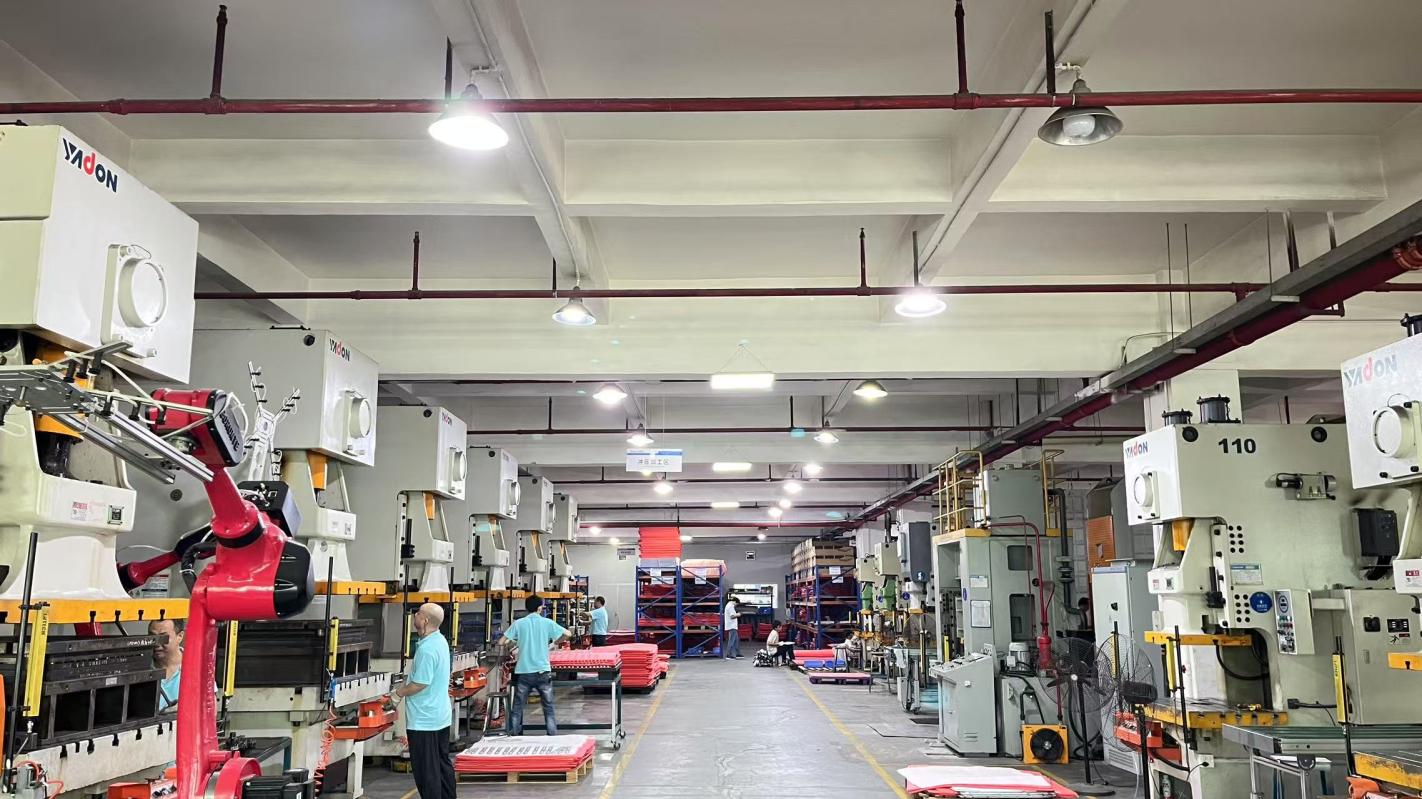
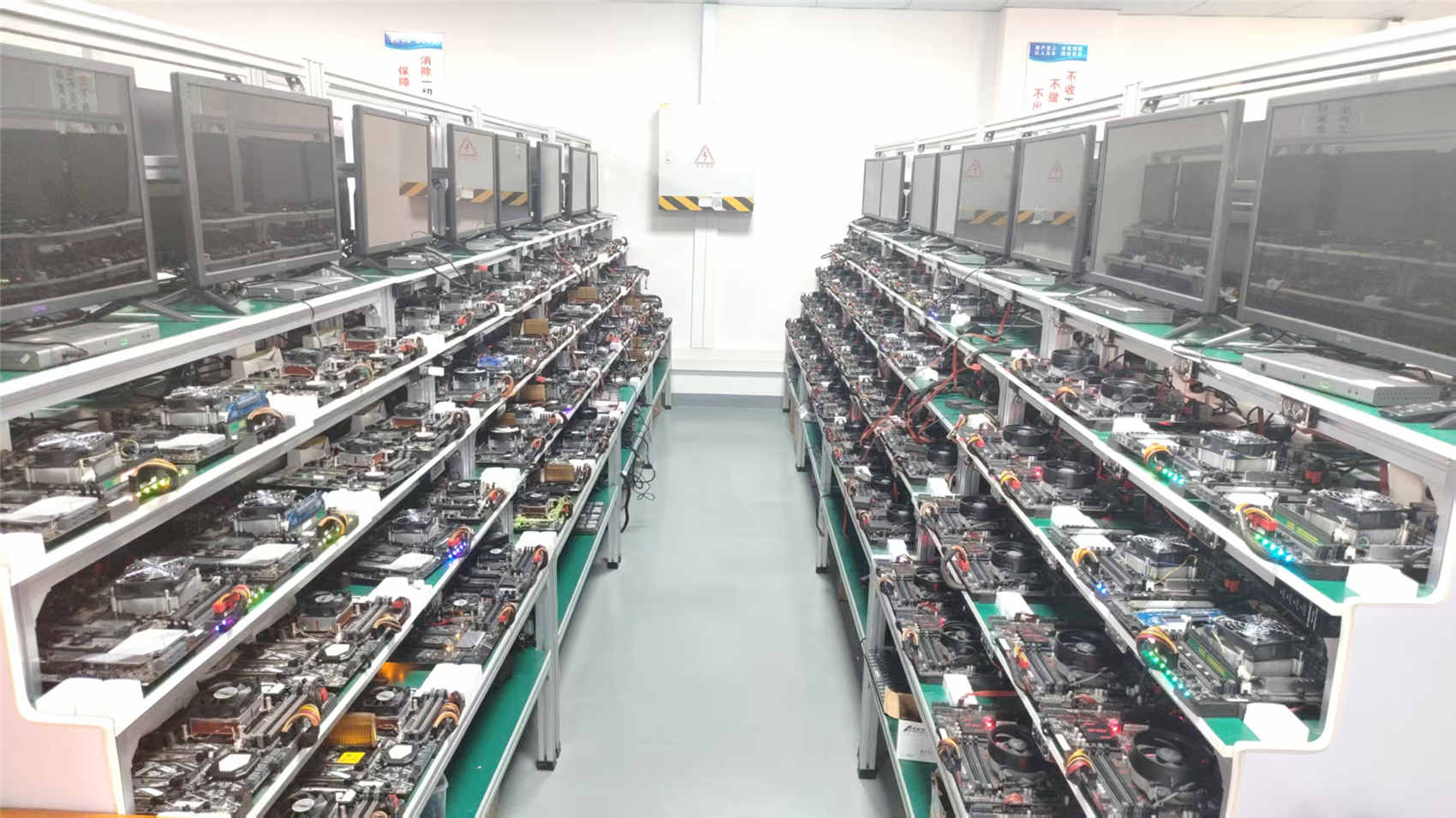
Detailed technical answers to common queries regarding high-speed USB hubs, industrial specifications, and manufacturing logistics.
Explore our selections of system memory modules, CPU cooling systems, and specialized PC components for systems integration.