Novram
Novram
Novram
Explore high-performance heat sinks, embedded processing units, and high-frequency memory modules powering modern industrial displays and server terminals.
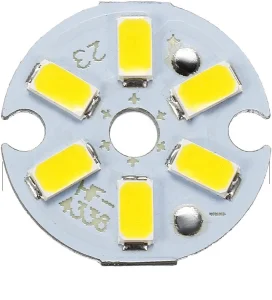
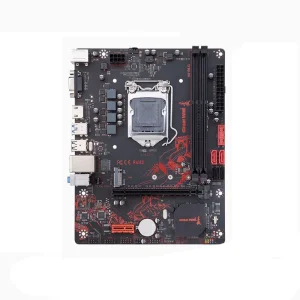
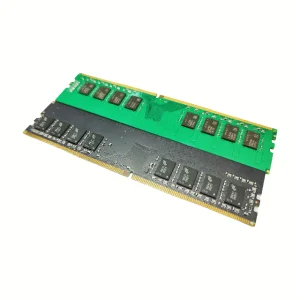
Deconstructing the hardware ecosystem that powers high-definition HMI, diagnostic monitors, and multi-display control systems.
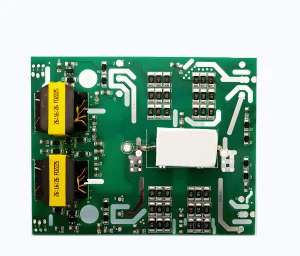
In high-resolution display monitors—ranging from 4K/8K medical imaging consoles and aviation traffic control screens to industrial ruggedized human-machine interfaces (HMIs)—the panel itself is only a portion of the system. The underlying performance, stability, and image precision are determined by a specialized ecosystem of internal components: processing controller boards, high-speed memory buffers (DDR4/DDR5 DRAM), thermal dissipation setups, and power driver PCBAs.
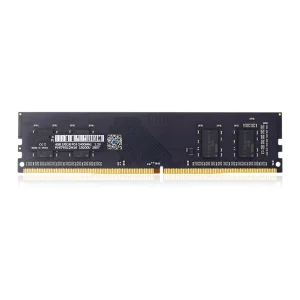
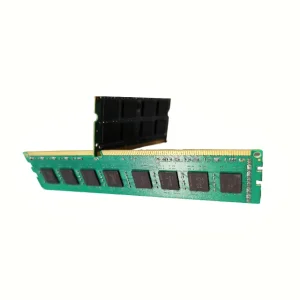
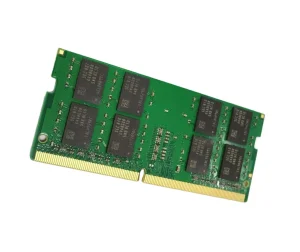
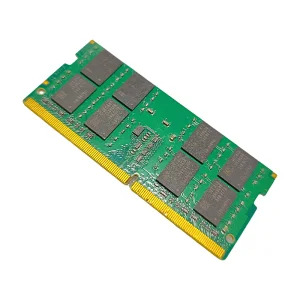
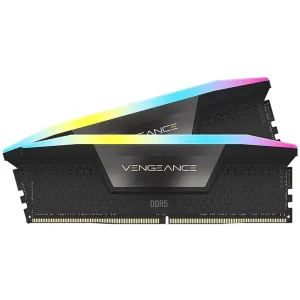
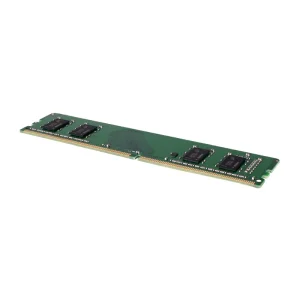
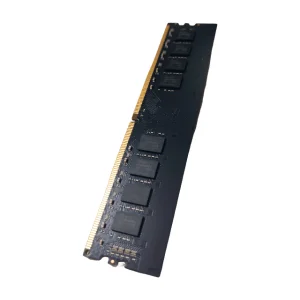
Without sufficient data bandwidth and processing capacity, modern high-resolution screens encounter frame drops, latency, and artifacts. High-resolution monitors require massive frame buffers, making professional DRAM memory modules essential for maintaining real-time video rendering pipelines.
Industrial display systems must operate continuously (24/7/365) in challenging environments with temperature variations, electromagnetic interference, and mechanical vibrations. Standard commercial displays are inadequate for these settings.
Procurement directors and system engineers prioritize partners who supply industrial-grade control boards, heat sinks designed for sustained thermal loads, and ECC (Error-Correcting Code) memory modules. These components prevent system failures in critical industrial processes and medical diagnostics.
A detailed breakdown of Novram Electronics Co., Ltd.'s operations, engineering capabilities, and high-performance component catalog.
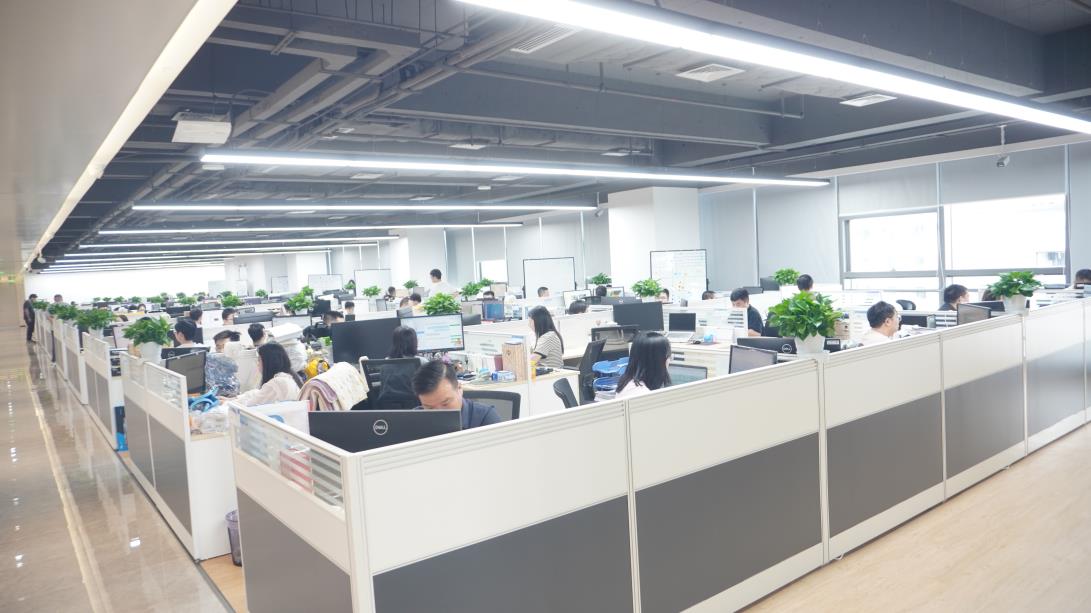
Novram Electronics Co., Ltd. is an established developer and manufacturer of DDR5 and DDR4 memory modules, custom PCBA solutions, and system peripherals based in Shenzhen, China. Operating from a modern 3,860m² facility, Novram specializes in DRAM solutions and custom computer hardware tailored for global OEM, ODM, and industrial display markets.
Founded in 2016, Novram supports partners across industrial automation, server infrastructure, medical imaging, embedded smart systems, and gaming display hardware. With 9 years of industry experience and 7 years of international trade operations, the company exports to over 40 countries, generating an annual export revenue of approximately US$18.6 million.
Novram's component supply is supported by strategic alliances with more than 860 vetted material and component vendors, ensuring stable pricing and lead times for high-density DRAM chips, multi-layer PCBs, and thermal components.
The company's engineering team consists of 76 R&D engineers focused on high-frequency signal integrity, embedded BIOS customizations, and thermal performance optimization. This team develops approximately 138 new product iterations annually, allowing Novram to offer customized branding, PCB layouts, firmware adjustments, and unique packaging designs.
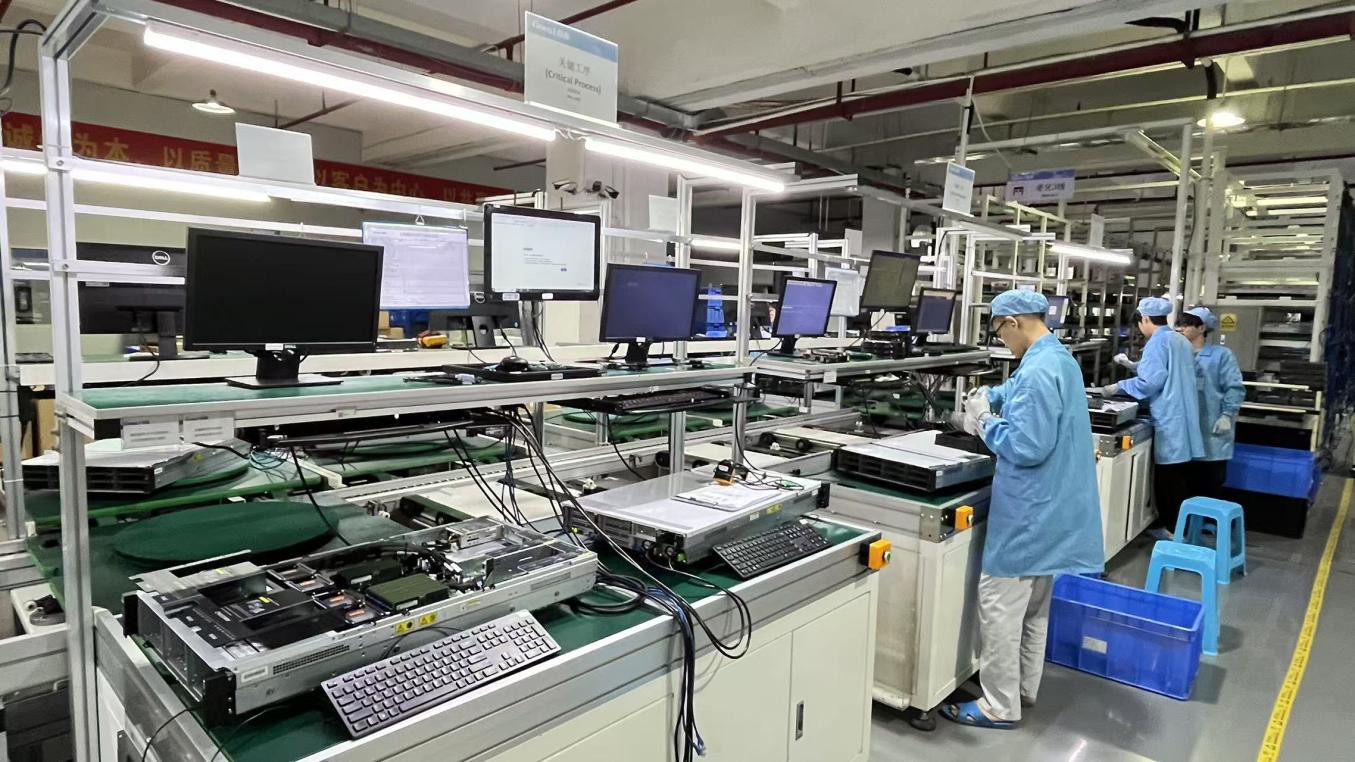
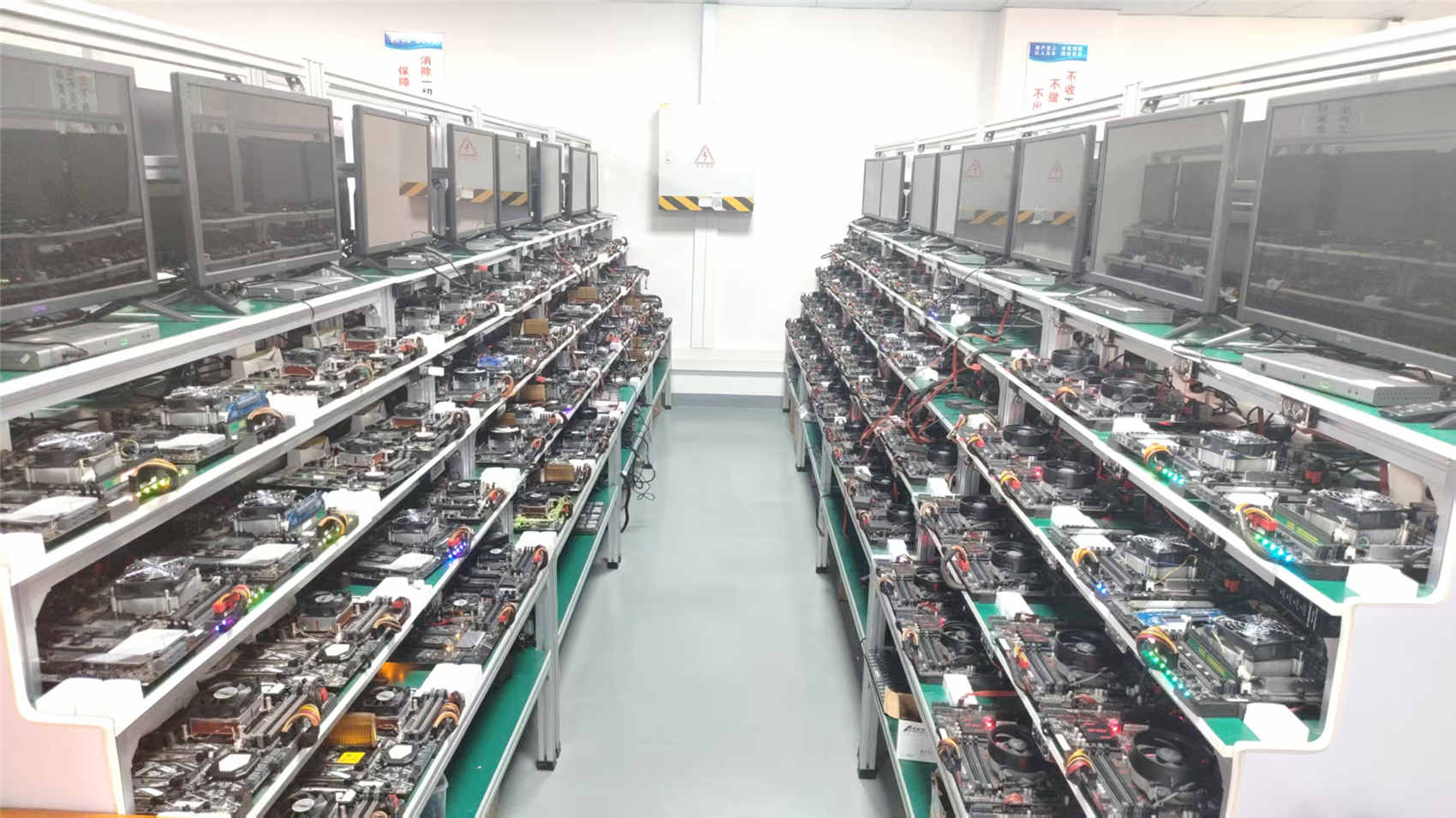
Quality management is handled by 42 specialized inspectors. The production cycle includes 100% functional validation, hardware compatibility sweeps, dynamic burn-in testing, thermal cycling trials, and long-term aging tests to guarantee performance under demanding operating conditions.

Analyzing trends in resolution display control systems, memory bandwidth demands, and thermal management architectures.
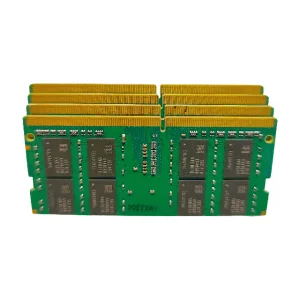
As resolution requirements shift from 4K toward 8K and 16K systems, the memory bandwidth required to prevent frame buffering issues increases. DDR5 memory modules, featuring on-die ECC and dual 32-bit subchannels, deliver double the bandwidth of DDR4. This ensures stable rendering of complex medical scans and high-frequency radar feeds.
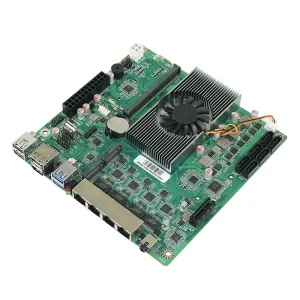
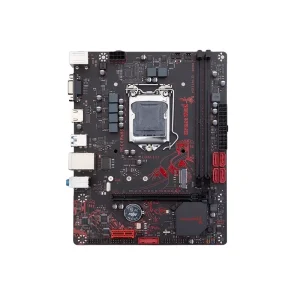
Modern smart monitors rely on built-in systems to run analytics, UI overlay layers, and edge applications. Architectures like the Intel N100 and N5095 system-on-chip motherboards are integrated directly into display housings to act as smart terminals. This eliminates the need for separate, bulky industrial PC cabinets.
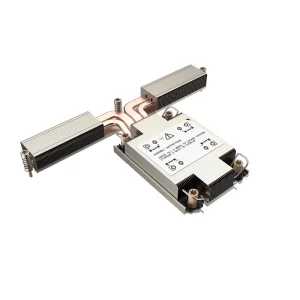
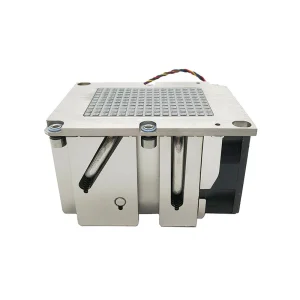
High-brightness backlights combined with high-frequency control boards generate significant heat. Standard passive designs can result in components overheating. Advanced, compact aluminum fin structures with embedded copper heat pipes maintain stable operating temperatures inside sealed, dust-proof monitor enclosures.
| Performance Metric | Legacy Monitor Controller (DDR3 / Fanless) | Mid-Tier Resolution Monitor (DDR4 / Passive Fin) | UHD Next-Gen System (DDR5 / Active Heat Pipe) |
|---|---|---|---|
| Data Bandwidth | Up to 12.8 GB/s | 25.6 GB/s to 38.4 GB/s | 48.0 GB/s to 64.0 GB/s+ |
| Max Resolution Supported | Full HD (1080p) | 4K UHD (3840 x 2160) @ 60Hz | 8K/12K UHD & High Refresh rate Medical Display |
| Thermal Envelope (TDP) | < 15W | 15W - 65W | 65W - 205W+ |
| Error Mitigation | None | Standard ECC (Platform Dependent) | On-Die ECC + Custom PCBA Hardware Filtering |
How localized raw material proximity and manufacturing ecosystems benefit international OEM/ODM buyers.
Shenzhen represents the global hub of electronics manufacturing. For resolution monitor suppliers, this geographical clustering simplifies component sourcing. Raw multi-layer PCBs, IC controllers, passive elements, and custom metal housings are all manufactured within a small geographical area.
Novram Electronics leverages this proximity to secure components, perform prototype testing, and scale up to full SMT production within short lead times. By reducing internal shipping steps, the company limits supply chain risks.
Fluctuations in semiconductor availability can impact production. To protect ODM orders, Novram maintains an inventory of essential controller chips, DRAM modules (DDR3, DDR4, and DDR5), and raw copper and aluminum stock.
Supported by a network of 860+ supply partners, Novram adjusts production schedules based on component availability and client timelines, minimizing the impact of global supply chain disruptions.
Aligning display controller production with international regulations and diverse operating environments.
Medical imaging systems require high-resolution displays to show diagnostic details clearly. The internal motherboards and DRAM must process high-bitrate gray-scale graphics without latency. Novram's high-reliability memory modules and compact controller boards help meet medical imaging requirements.
Displays used in marine bridges, steel factories, and outdoor kiosks face high humidity, salt spray, and extreme temperatures. These conditions require conformal-coated PCB driver boards and rugged heatsinks, like passive extruded aluminum cooling units, to prevent dust accumulation and moisture ingress.
Command center displays require continuous operation with minimal downtime. The control hardware must support multiple display outputs and fast system memory. High-capacity ECC DDR5 and industrial-grade ITX motherboards provide the redundancy needed for these critical environments.
A structured reference guide for procurement officers and system engineers evaluating display component manufacturers.
When sourcing hardware components for high-resolution monitors, selecting the right supplier is essential for long-term product reliability. Below are ten key factors to consider during the evaluation process:
Explore high-speed server RAM modules, thermal dissipation units, and multi-display controller systems.
Answers to common technical, manufacturing, and procurement inquiries regarding resolution monitor components.