Novram
Novram
Novram
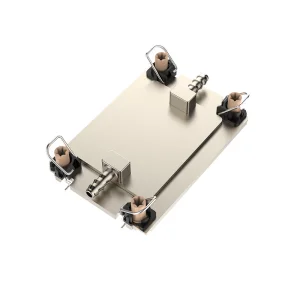
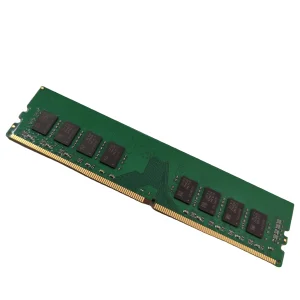
Explore our premium grade server-level hardware assemblies engineered to function seamlessly with cutting-edge Thermal Interface Materials (TIMs).
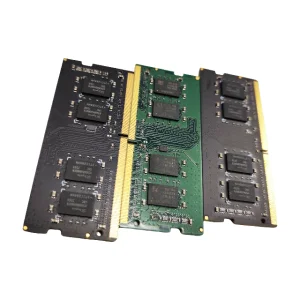
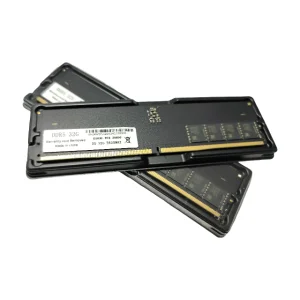
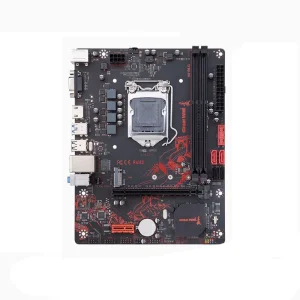
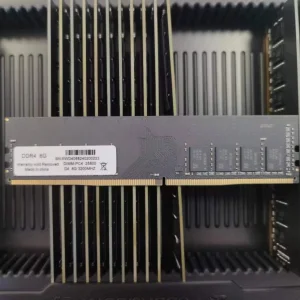
Bridging the Heat Transfer Gap in High-Density Computing and Aerospace Power Systems
In the current technological paradigm, characterized by the exponential growth of Artificial Intelligence (AI) servers, 5G telecommunication grids, and high-frequency DRAM modules (such as DDR5 running up to 6000MHz), thermal management is no longer a tertiary design parameter—it is the ultimate physical bottleneck. High-performance processors and high-speed memory systems continuously push thermal dissipation boundaries, making high-efficiency Thermal Interface Materials (TIMs) critical elements in hardware reliability. As heat fluxes in modern microprocessors cross the threshold of 100 W/cm², microscopic surface irregularities between heat sinks and silicon dies represent massive thermal barriers.
Without high-performance TIMs, air pockets trapped within microscopic voids (air has an extremely low thermal conductivity of ~0.026 W/m·K) trigger catastrophic thermal throttling or early component degradation. By displacing these microscopic air pockets with high-conductivity polymers, phase change matrices, or metal-loaded pastes, modern hardware architectures can maintain lower junction temperatures, ensuring stable throughput. This has turned the sourcing of reliable, custom-engineered TIMs into a core objective for procurement managers and hardware design teams globally.
"The global Thermal Interface Materials market is projected to reach USD 5.2 Billion by 2028, growing at a CAGR of 8.6%. The driving forces behind this explosive demand are the relentless increase in power densities of hardware processors, global EV adoption requiring battery packs with robust heat dissipation pathways, and the densification of hyperscale datacenters."
Procurement teams sourcing from China face complex parameters that go far beyond basic pricing. Industrial hardware manufacturers require compliance with rigorous performance metrics, including outgassing limitations, long-term pump-out resistance, dielectric breakdown strength, and mechanical compliance. The typical high-demand application sectors include:
For cloud servers hosting massive multi-core CPUs and specialized high-power AI accelerators (TPUs/GPUs) requiring TIM 1 and TIM 2 coatings to minimize localized hotspot resistance.
For high-frequency DDR5 memory architectures where operating temperatures directly affect signal integrity, requiring ultra-thin, highly compliant thermal pads.
For high-voltage EV battery cells, traction inverters, and Advanced Driver Assistance Systems (ADAS) that require strict dielectric insulation alongside heat path conductivity.
Evolving Formulations: From Basic Thermal Greases to Phase Change Materials and Metallic Matrices
To design an efficient thermal management interface, engineers must select materials that align with the application's physical parameters: bond line thickness (BLT), mounting pressure, thermal impedance, and cycle lifetime. The selection matrix below illustrates the evolutionary steps of current industrial TIMs:
| TIM Material Category | Thermal Conductivity Range (W/m·K) | Primary Advantages | Ideal Application Use-Case | Key Performance Trade-Offs |
|---|---|---|---|---|
| Non-Silicone Thermal Paste | 3.0 - 8.5 | Zero silicone migration, low cost, excellent surface wetting. | Optical transceivers, consumer LEDs, standard desktop CPUs. | Potential dry-out, pump-out effect under high thermal cycles. |
| Phase Change Materials (PCM) | 3.5 - 7.5 | Solid at room temperature, liquifies under heat to form minimal BLT. | Enterprise servers, automotive ADAS, notebook packaging. | Requires precise pressure and initial activation temperature. |
| Silicone-Based Thermal Pads | 1.5 - 15.0 | Highly compressible, high dielectric strength, shock absorption. | DDR5 RAM, telecommunication chips, power supplies. | Silicone oil bleed-out risks, high thickness restricts impedance limits. |
| Liquid Metal Alloys (Galinstan) | 30.0 - 80.0+ | Ultra-low thermal resistance, extremely high thermal conductivity. | AI Supercomputing clusters, high-end gaming consoles. | Conductive electrically, risks of galvanic corrosion on aluminum. |
Combining Advanced Semiconductor Assembly Experience with High-Capacity Production Infrastructure
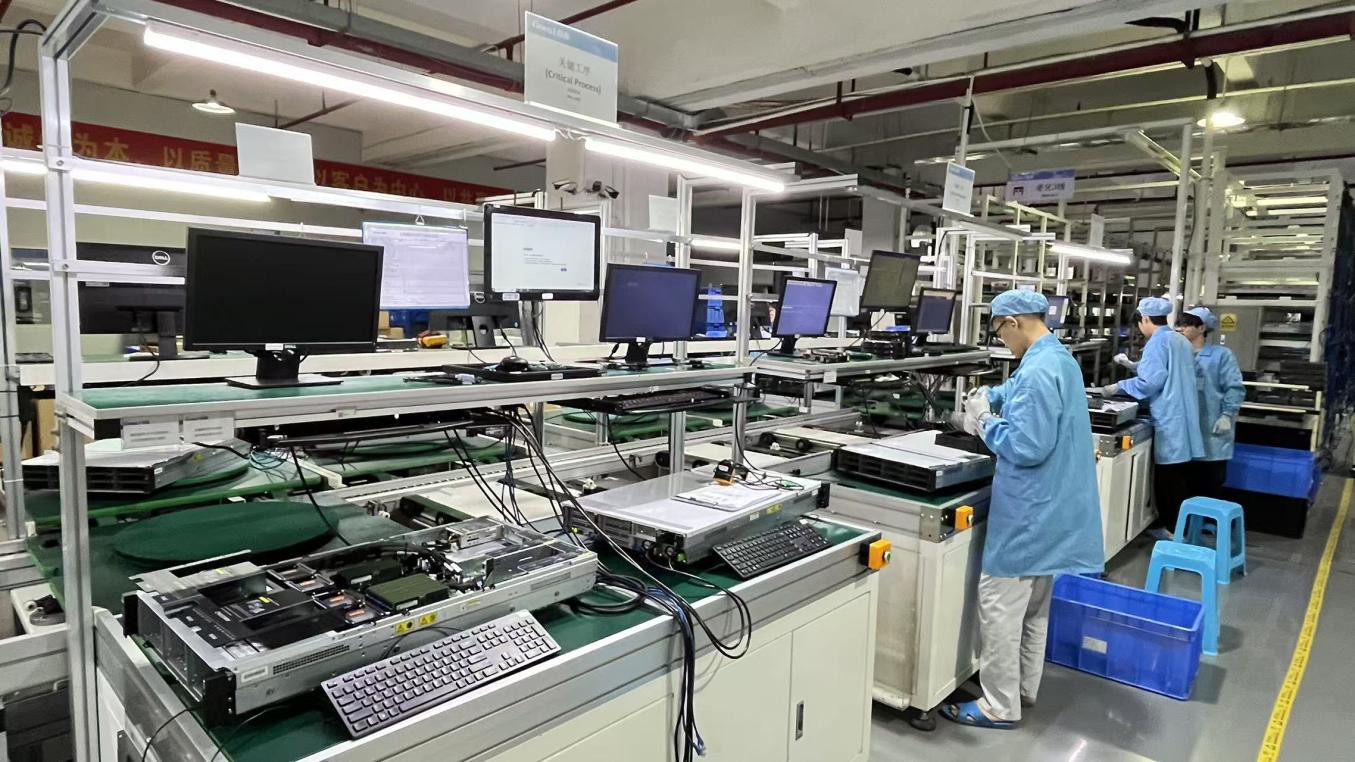
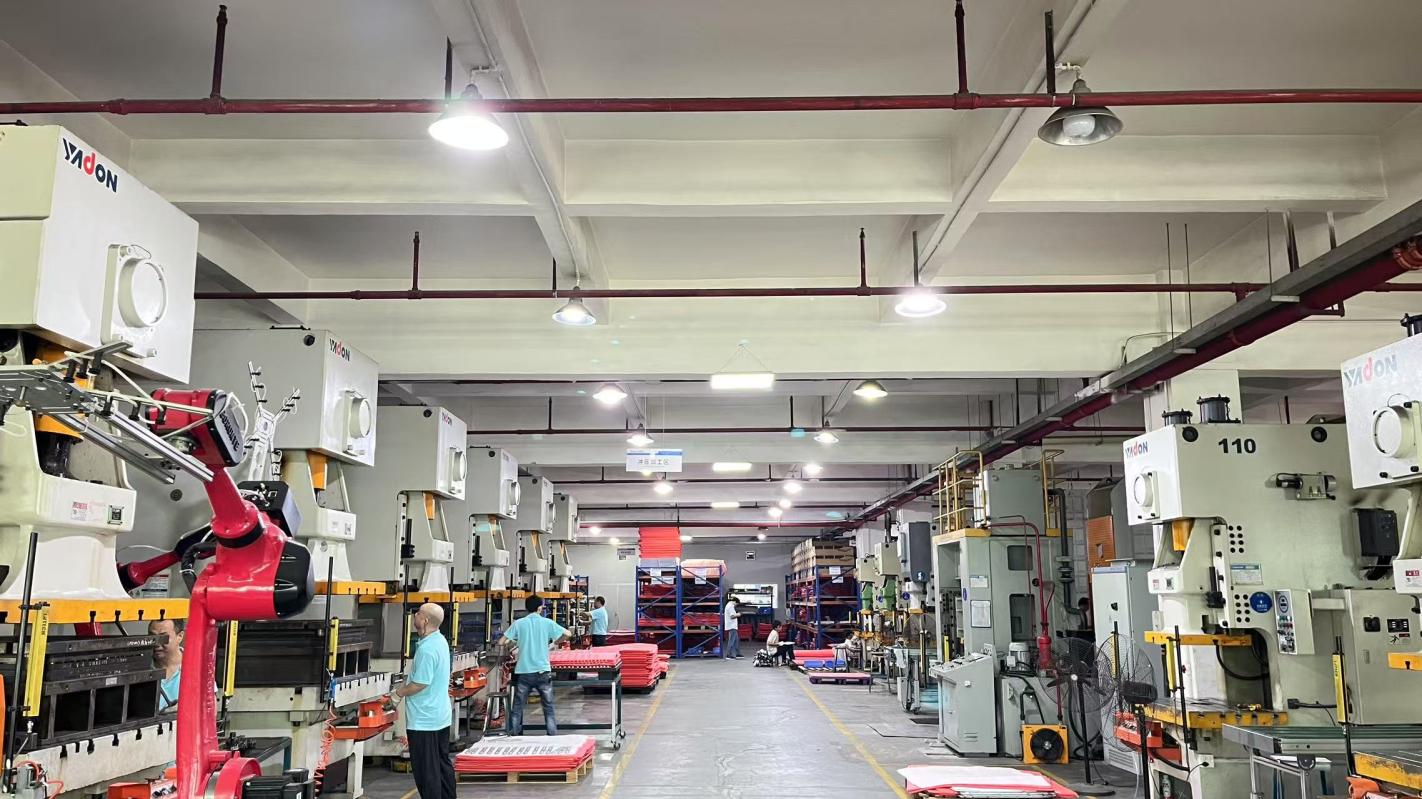
Sourcing high-reliability components from China requires working with partners who maintain strict quality management infrastructure. Novram Electronics Co., Ltd., established in 2016 in Shenzhen, China, has built a global reputation as a premier supplier of high-speed DRAM memory modules and complex PCB assembly configurations. Leveraging a state-of-the-art 3,860㎡ manufacturing facility, Novram successfully pairs advanced high-speed SMT assembly lines with rigorous thermal-reliability procedures.
Backed by an elite R&D center staffed by 76 experienced engineers, we continuously develop advanced structural hardware interfaces. We launch approximately 138 new products annually, custom-tailored to handle evolving high-frequency memory, high-output power components, and critical thermal configurations.
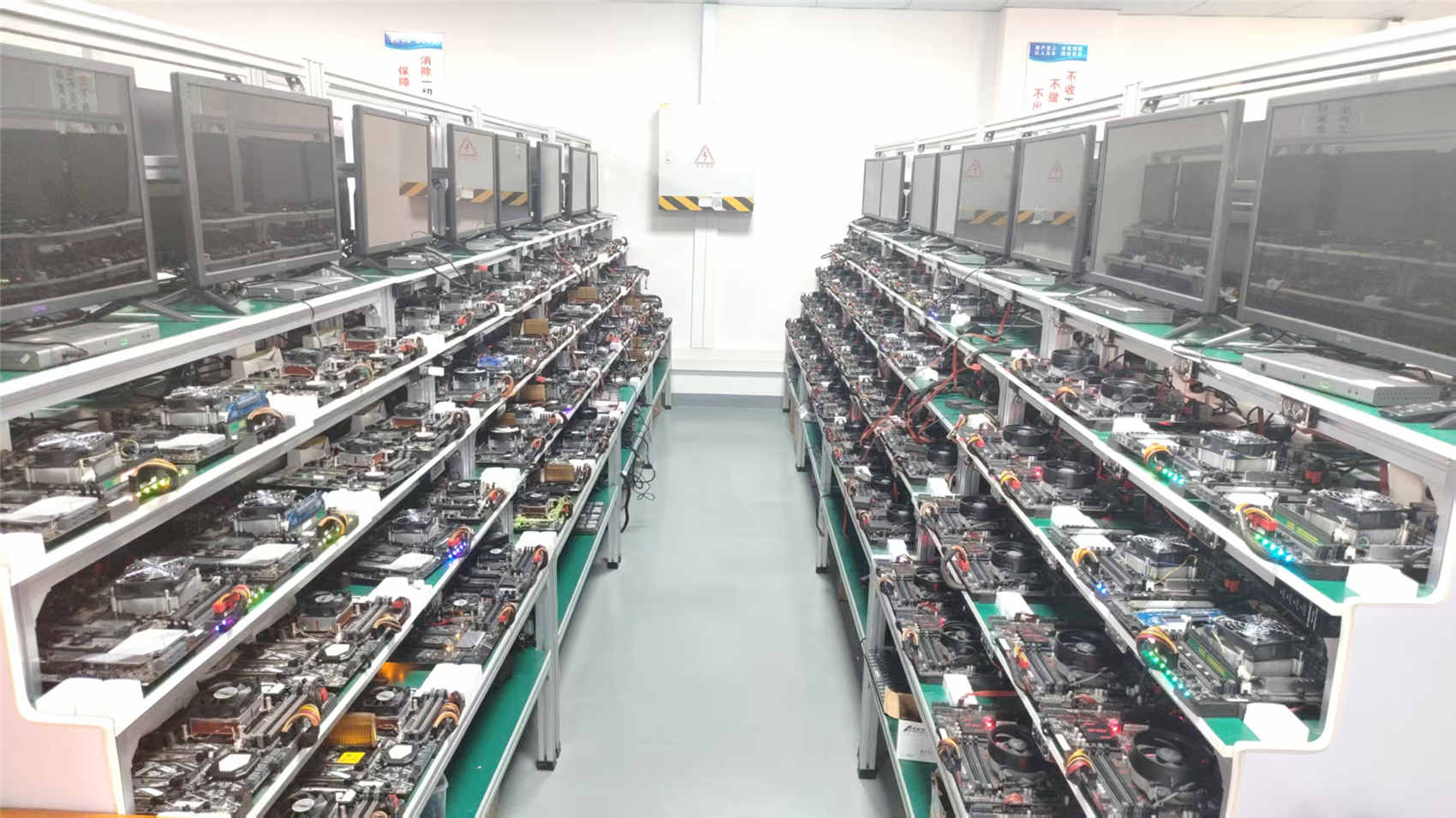
Every structural product and high-performance module is subjected to severe testing regimens, including 100% functional validation, burn-in verification, extreme temperature chamber tests, and aging cycle runs. With 42 dedicated quality inspectors, our QA team maintains zero-defect performance standards.
With over 9 years of industry experience and 7 years of global export experience, Novram serves corporate partners in more than 40 countries, generating an annual export revenue of US$18.6 million. Our long-term relations with over 860 qualified supply chain partners ensure material stability, helping system integrators, computer brands, and industrial PC OEMs secure critical inventory at stable prices.

Eliminating Regulatory Risks and Ensuring Consistent Supply Chain Integration
Exporting high-performance thermal materials and electronic sub-assemblies to strict regions like North America, Japan, and the European Union requires comprehensive regulatory alignment. At Novram, we guarantee compliance across all standard frameworks to secure hassle-free customs clearance and industrial approvals:
Direct Engineering Answers to Complex Thermal Interface Questions
Our material parameters are measured in accordance with the ASTM D5470 standard (Standard Test Method for Thermal Transmission Properties of Thermally Conductive Electrical Insulation Materials). This test system applies controlled mechanical pressures and heat flows to evaluate actual thermal resistance under real-world pressure tolerances, eliminating inflated bulk conductivity figures.
Pump-out occurs when continuous temperature cycles cause different thermal expansion and contraction rates between the CPU die and the heat sink. This shifting pushes standard thermal pastes out of the interface gap over time. We solve this by utilizing Phase Change Materials (PCMs) that solidify below their transition temperature or polymerizing gel networks that maintain elasticity and remain locked in position.
For aerospace, defense, and high-vacuum optical enclosures, we supply specialized silicone-free TIMs that comply with ASTM E595 outgassing limits, showing Total Mass Loss (TML) of less than 1% and Collected Volatile Condensable Material (CVCM) of less than 0.1% to prevent volatile film condensation on nearby optics.
Our silicone pads, phase-change sheets, and non-silicone pastes are designed with non-conductive ceramic fillers (such as Aluminum Oxide or Boron Nitride) to provide high dielectric breakdown strength. For extreme cooling needs where electrical insulation is not required, we also offer high-conductivity liquid metals.
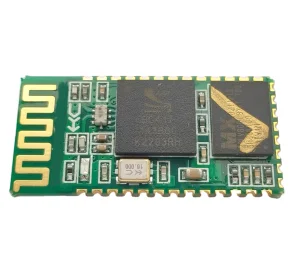
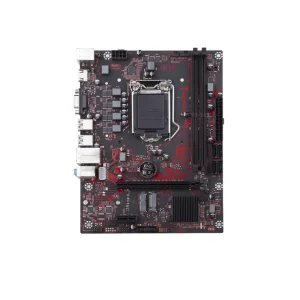
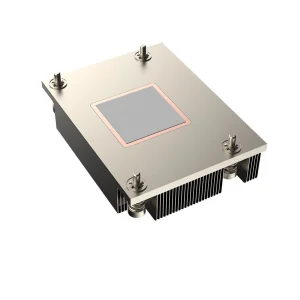
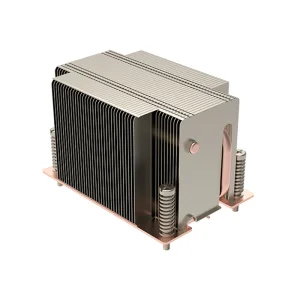
Explore our high-power cooling blocks, specialized thermal subsystems, and motherboard arrays designed to handle extreme heat loads.