Novram
Novram
Novram
High-frequency memory sub-systems, dynamic LED substrates, and flexible PCB modules engineered for spatial processing requirements.
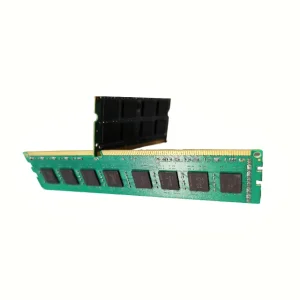
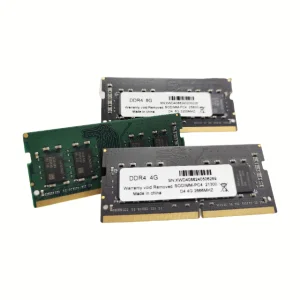
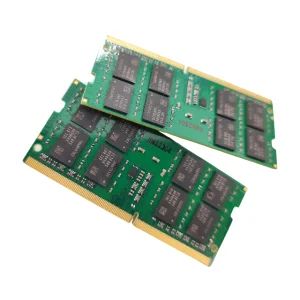
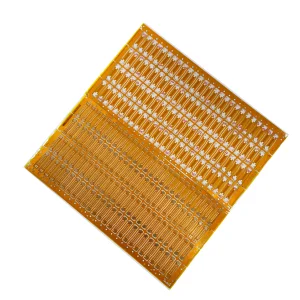
The global transition from standard consumer electronics to high-fidelity Augmented Reality (AR) and spatial computing headsets demands unprecedented hardware evolution. Today’s industrial-grade AR headsets, head-up displays (HUDs), and smart vision systems rely on high-bandwidth, ultra-dense architectures to process massive real-time sensor inputs, optical engines, and AI algorithms locally.
As micro-LED and optical waveguide technologies mature, the bottleneck of AR devices has shifted to compute efficiency and spatial rendering latency. A milliseconds-long latency gap in tracking and display updates causes simulator sickness and operational failure in industrial environments. Resolving these challenges requires highly specialized component fabrication that aligns with high-speed transmission standards and extreme space constraints.
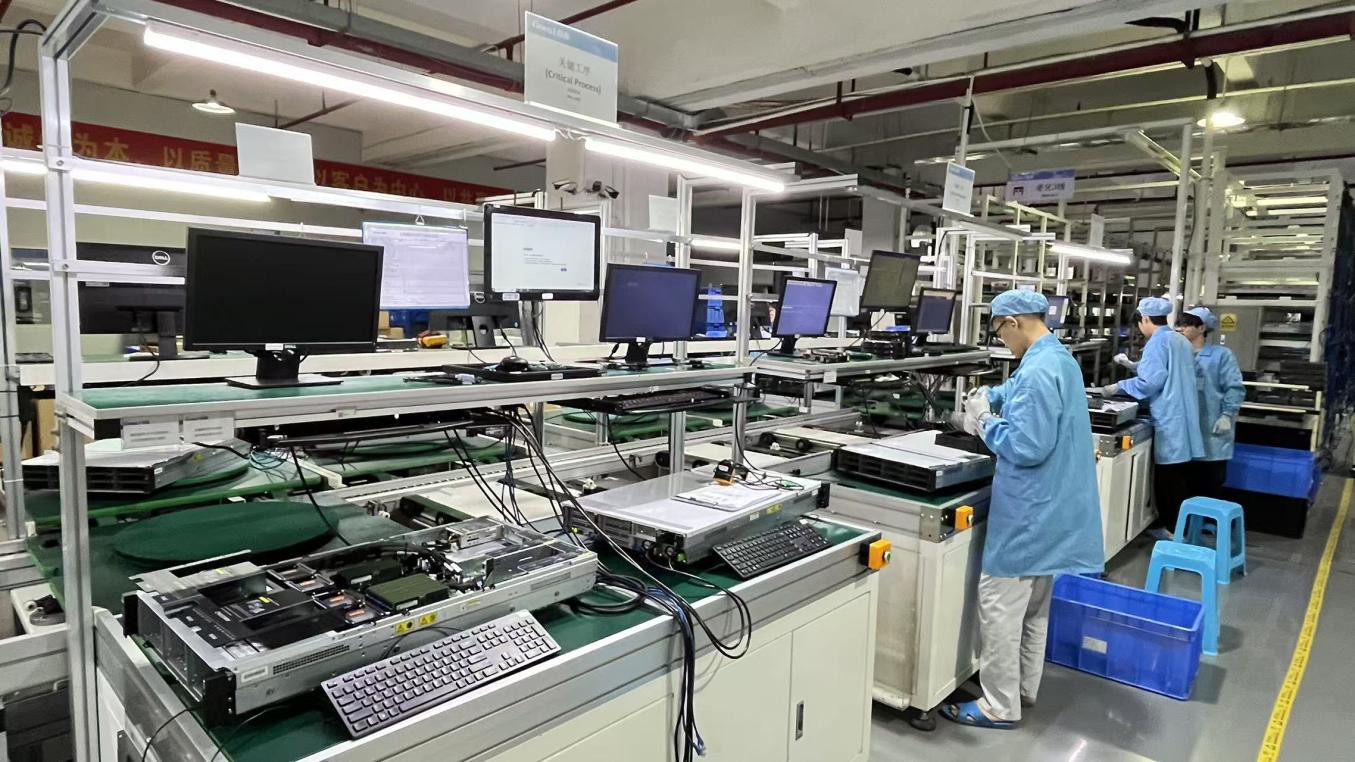
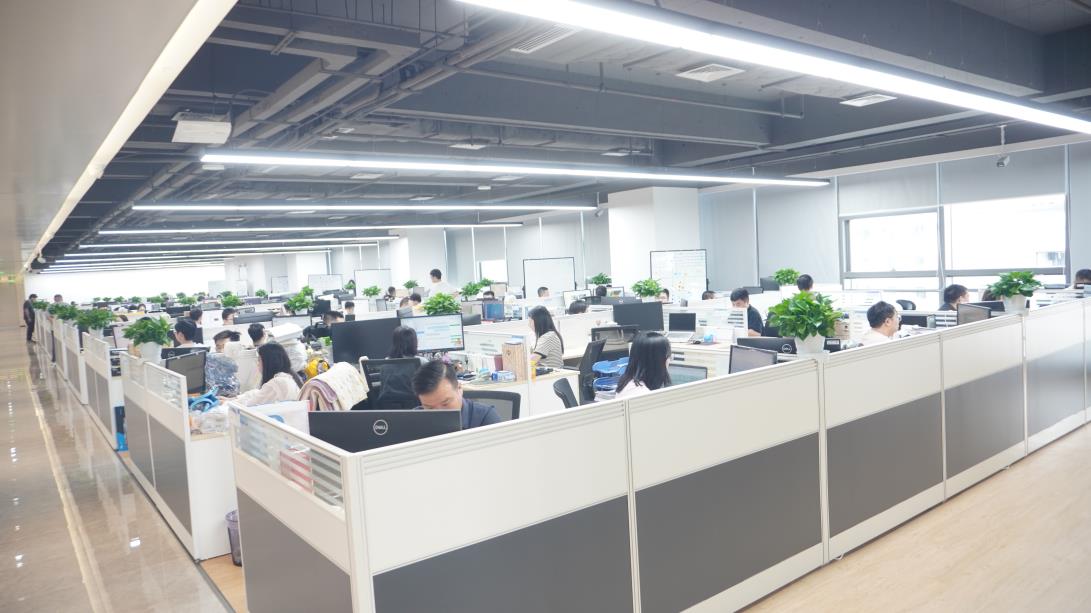
Novram Manufacturing Facility & Testing Operations
Global procurers, ranging from hardware brands to industrial system integrators, encounter unique supply chain challenges when sourcing AR hardware components. Modern procurement is not merely about finding a vendor; it is about establishing a relationship with a partner capable of executing strict quality assurance protocols and adapting to bespoke mechanical envelopes.
In the spatial computing market, reliability is defined by thermal limits, electrical noise minimization, and high-frequency stability. Our global procurement partners demand components that can withstand extreme environmental conditions—from factory floors using AR guidance to medical theatres utilizing overlay navigation. Sourcing memory modules and flexible PCB assemblies requires rigorous testing frameworks, certified validation loops, and long-term product lifecycle roadmaps.
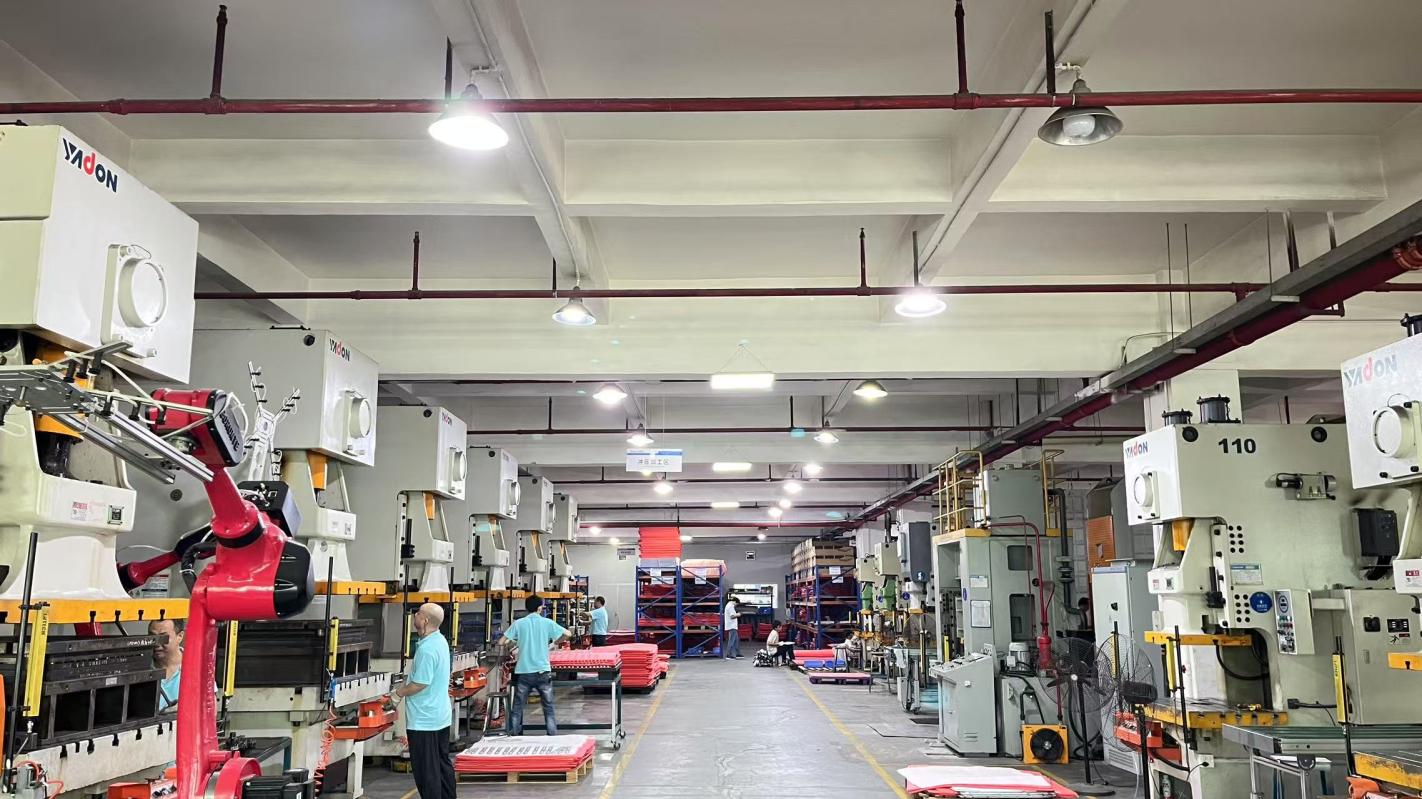
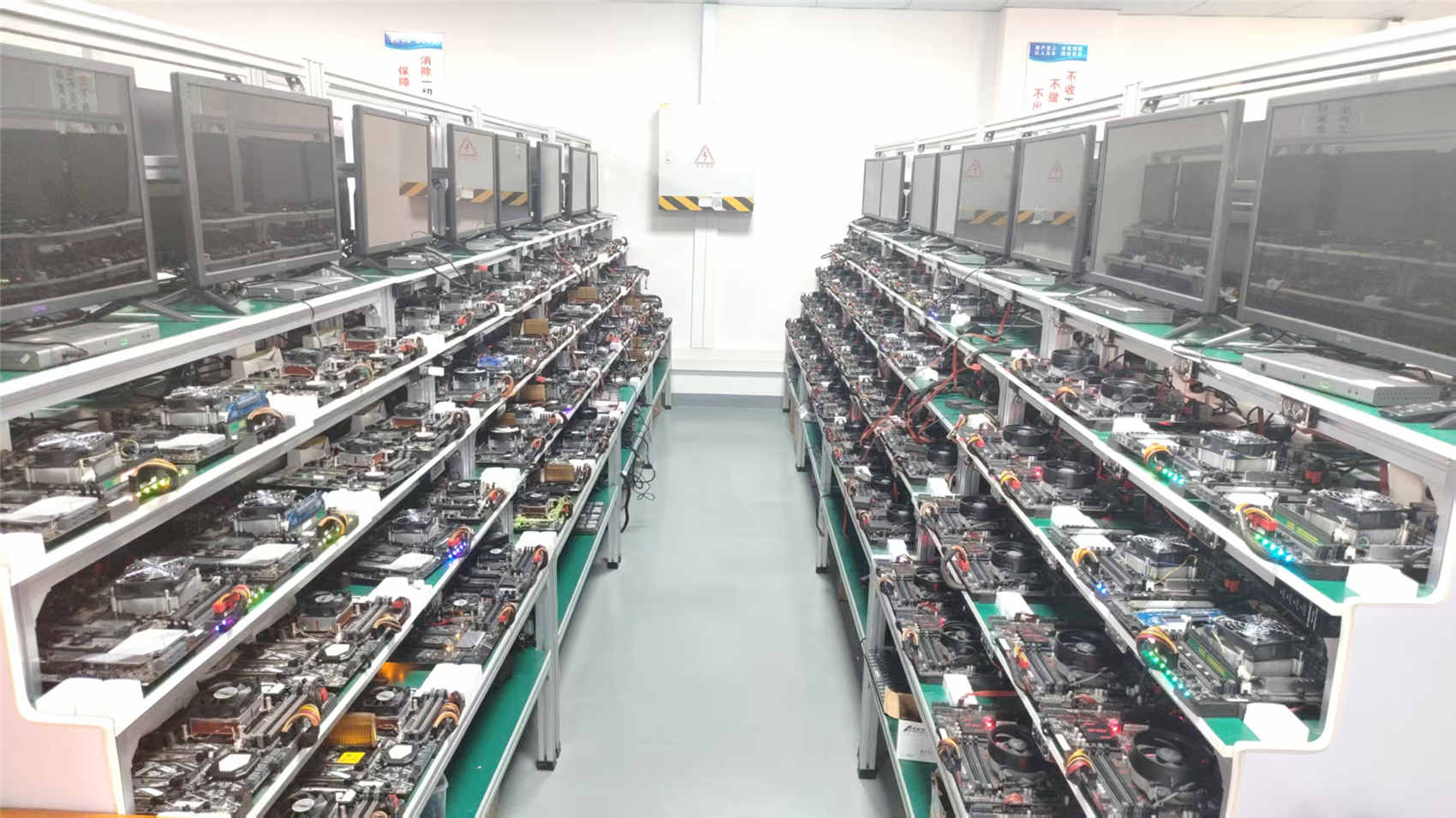
How Novram Electronics leverages regional ecosystem advantages in Shenzhen to provide unmatched speed-to-market.
Every single module undergoes a five-stage verification pipeline: 100% functional validation, multi-platform compatibility checks, thermal burn-in protocols, high-frequency signal mapping, and long-term aging verification.
Our dedicated research and development center operates at the intersection of material science and high-speed electrical engineering. We design customized PCB trace layouts to prevent signal degradation in compact form factors.
By partnering with leading silicon wafer providers and passive component fabricators across Asia, we secure continuous raw materials allocation even during global component shortages.
As augmented reality transitions from consumer novelties to mission-critical infrastructure, components are subjected to unique stress factors. Below are key commercial deployment fields and their related hardware prerequisites:
On-site technicians use AR smart glasses to overlay real-time spatial schematics onto machinery. This requires:
High-precision applications require micro-second data rendering without frame drops. Critical specifications include:
A detailed structural comparison of the components engineered to power next-generation spatial computing display hardware and processing hubs.
| Component Category | Primary Engineering Challenge | Novram Optimized Design Spec | AR Device System Advantage |
|---|---|---|---|
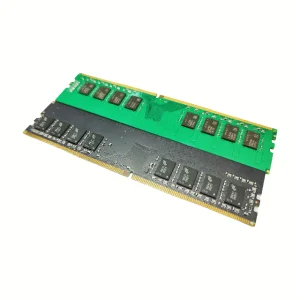
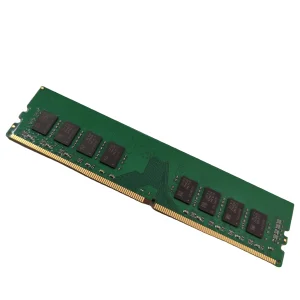
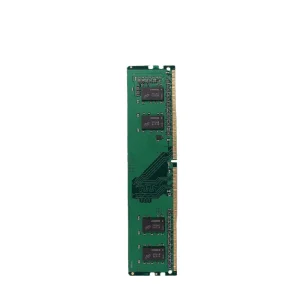
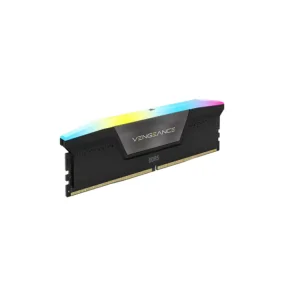
| High-Speed DDR5 Systems | DRAM Power Consumption & Thermal Load | 6000MHz at 1.1V / 1.25V PMIC Configurations | Reduces system power draw while sustaining high frame rate spatial graphics rendering. |
| Flexible PCBs (FPC) | Severe Space Restrictions & Multi-axial Bending | Polyimide 1-2 Layer Custom Flex Circuits | Enables flexible chassis routing for compact smart glasses frames and sensor bands. |
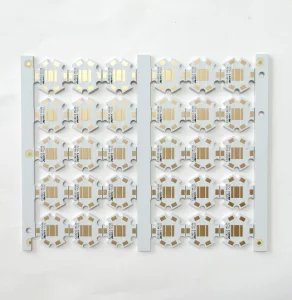
| Aluminum Light Substrates | Thermal Dissipation of Micro-LED Engines | T6 Thermal Conductive Metal-Clad Substrates | Prevents overheating and color shifting in micro-projector assemblies. |
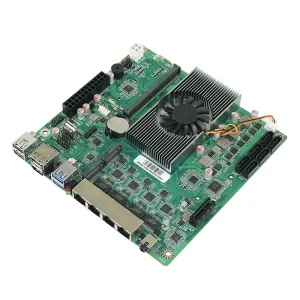
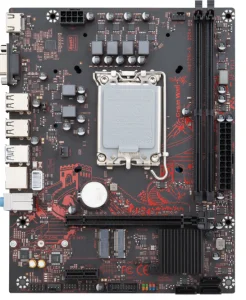
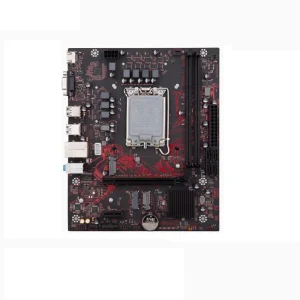
| Mini ITX Core Systems | Local Compute Latency for Multi-camera Inputs | LGA1700 / H610 & N100 Motherboards with Dual M.2 | Serves as a robust local hub for AR simulators, industrial systems, and localized edge servers. |
Technical answers for procurement officers, system architects, and hardware designers.
Augmented Reality platforms require high-frequency processing of spatial point clouds, SLAM (Simultaneous Localization and Mapping), and visual tracking inputs simultaneously. DDR5's high bandwidth (e.g. 6000MHz) doubles the transfer rate compared to DDR4, significantly reducing memory bus bottlenecks and latency. This translates to smoother rendering and a latency of less than 15ms, preventing user simulation motion sickness.
Industrial AR wearables have strict space constraints and complex spatial layouts. Unlike rigid boards, FPC circuits can fold and fit into curved structures (such as temple arms or display frames). This flexibility allows for dense routing of sensor paths, microphones, eye-tracking systems, and display power lines without increasing device weight or volume.
Our Aluminum PCB substrates are designed for heat-generating components like high-intensity micro-projection LED lamps. By utilizing high-thermal-conductivity dielectric layers and T6 aluminum backplates, we transfer heat away from sensitive optics. This guarantees stable illumination, high contrast, and prevents thermal degradation of nearby electronics.
We provide comprehensive OEM, ODM, private label, and hardware-specific configurations. This includes modifying PCB dimensions, optimizing firmware for specialized memory latency, applying custom conformal coatings for dust/humidity protection, and engineering custom FPCs for specific camera interfaces. We introduce approximately 138 new designs yearly to meet these diverse needs.
Based in Shenzhen, we utilize a local ecosystem of 860+ supply partners to source components quickly and reliably. Our 3,860㎡ factory houses automated SMT and validation setups. This infrastructure allows us to keep lead times short and scale production rapidly from small prototypes to large commercial rollouts, while keeping pricing competitive.
We implement a strict quality control workflow managed by 42 specialized inspectors. 100% of our products undergo functional testing, platform compatibility checks, burn-in validation, and environmental chamber cycling. This process ensures reliability and helps maintain our high export performance across 40+ countries.
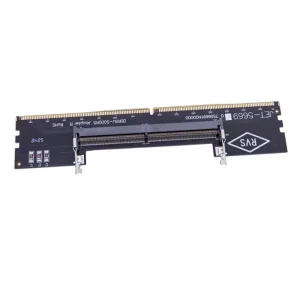
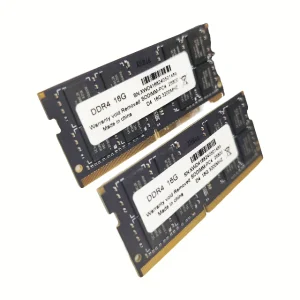
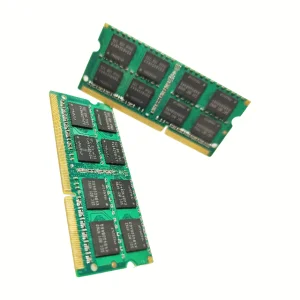
Compute modules, enterprise server memory, and desktop-level adapters built to process heavy workloads at the edge.