Novram
Novram
Novram
Precision Engineering Solutions Optimized for Industrial Gateways, Smart Controllers, and Automation Architecture
The modern landscape of smart home automation is undergoing a massive architectural paradigm shift. In previous cycles, home automation systems relied entirely on cloud hosting infrastructure to execute basic telemetry and routines. However, latency limits, security concerns, and offline failure risks have forced smart home hub manufacturers, exporters, and system integrators to adopt local edge computing models. These decentralized setups need enterprise-level reliability at the physical device layer.
High-end home automation controllers, smart wall screens, and smart home gateways now perform complex tasks locally. These include natural language voice processing, local facial recognition, predictive lighting energy profiles, and unified IoT device mesh operations. Consequently, the hardware requirements for smart home controllers have matched those of enterprise computing systems. Gateways must operate 24/7 without thermal throttling, run multi-threaded container environments like Home Assistant or custom enterprise OS versions, and handle rapid read-write sequences across dozens of interconnected sensors.
By shifting execution logic from remote servers to local home gateways, high-speed RAM reduces computational latencies to single-digit milliseconds. This provides lightning-fast responses for lighting, security, and AV setups.
With the commercialization of Matter and IP-based Thread standards, home gateways must handle routing calculations for hundreds of smart nodes simultaneously. This demands robust, high-performance DRAM memory.
Local smart home servers keep user biometric profiles, indoor video feeds, and routines inside the home. This setup relies on high-speed ECC memory modules to prevent system crashes and bit flips.
The global market for smart home automation systems has expanded beyond simple residential plug-and-play kits. Today, commercial buildings, luxury multi-dwelling units (MDUs), eco-hotels, and automated care facilities require integrated, reliable systems. Exporters and factories are scaling operations to meet growing demand in North America, Europe, and the Asia-Pacific region.
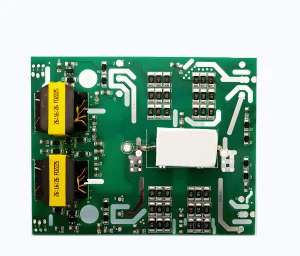
To support this growth, modern factories rely on a robust global supply chain. Components must meet strict criteria, such as industrial temperature tolerances, high Mean Time Between Failures (MTBF), and low-power operations. As home control panels incorporate high-resolution LCD screens, camera sensors, and integrated audio arrays, companies need flexible PCB designs (FPCs) and specialized controller drivers to build compact, durable units.
As smart home technology evolves toward higher computing requirements, Novram Electronics Co., Ltd. serves as a reliable global partner supplying essential hardware components. Established in 2016 in Shenzhen, China, Novram is a professional manufacturer specializing in high-performance DRAM solutions, custom circuits, and temperature control equipment. These technologies support global OEMs, ODMs, and industrial system integrators.
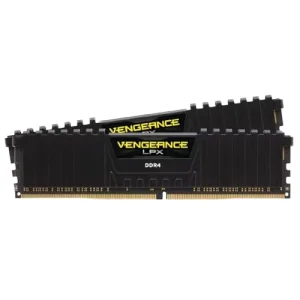
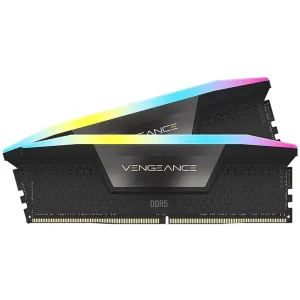
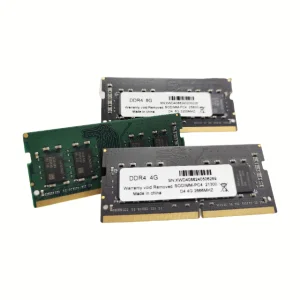
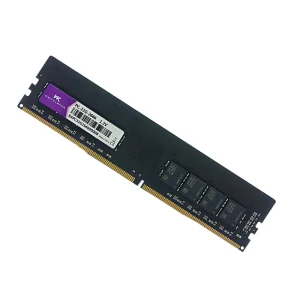
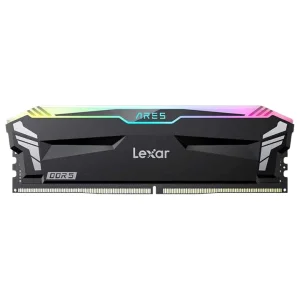
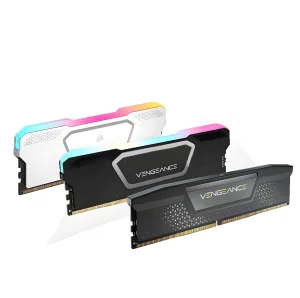
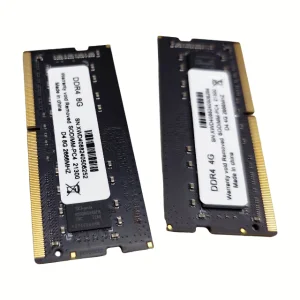
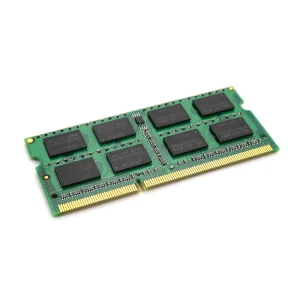
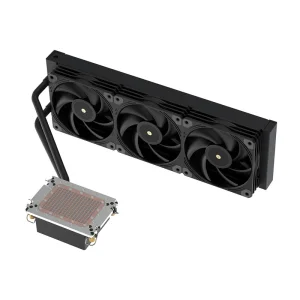
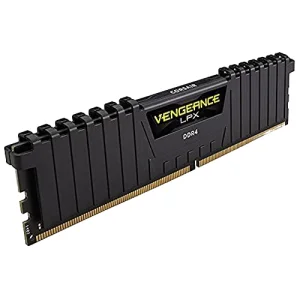
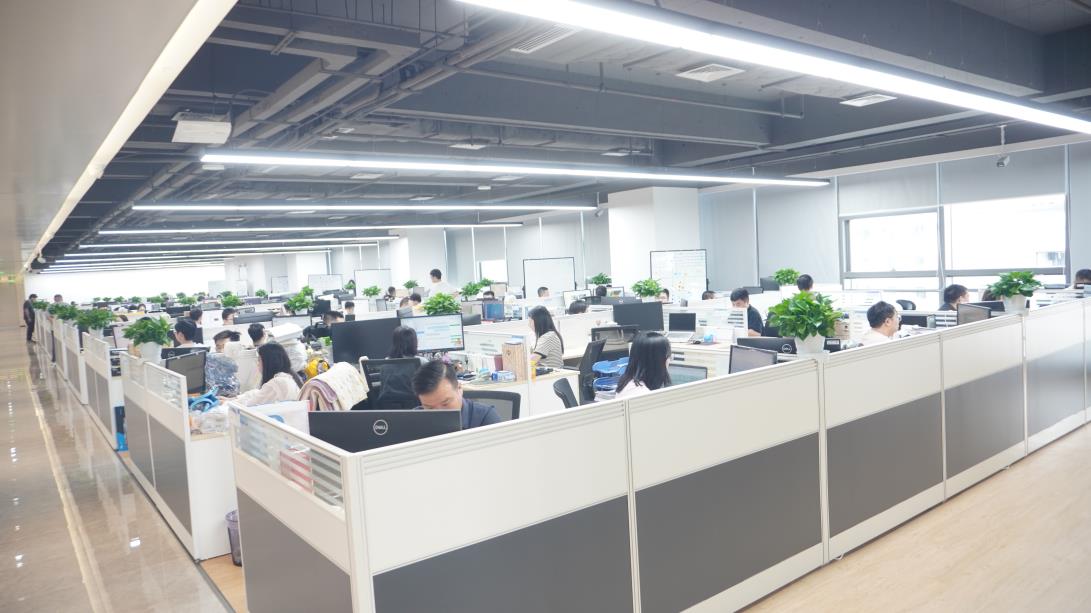
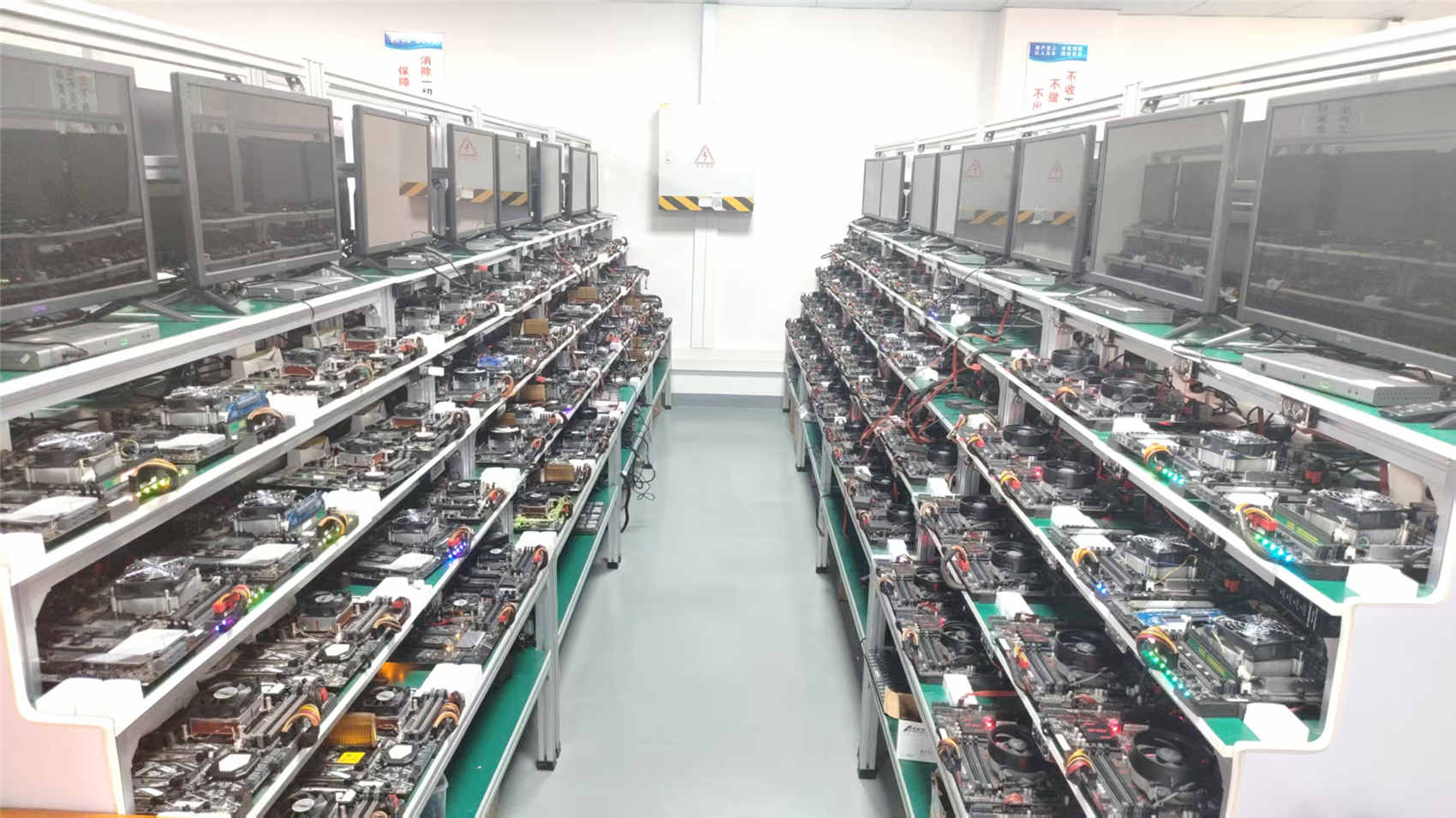
From a modern 3,860㎡ manufacturing facility, Novram uses advanced SMT production lines and rigorous testing protocols to design durable computer memory modules (DDR5/DDR4), flexible PCBs (FPCs), and system cooling accessories. This hardware forms the core of smart hubs, gateway servers, and touch-screen control panels used worldwide.
With 9 years of industry experience and 7 years of export operations, Novram exports products to customers in more than 40 countries, generating an annual export revenue of approximately US$18.6 million. Our supply chain network includes over 860 qualified partners, ensuring component availability and manufacturing capacity for large global orders.
Innovation is central to our competitive advantage. Our dedicated R&D center is staffed by 76 experienced engineers, introducing around 138 new products each year. Novram provides comprehensive OEM, ODM, private label, capacity customization, and firmware optimization services. These services help smart home system exporters build custom, brand-aligned hardware configurations.
Functional testing, comprehensive compatibility checks, burn-in validation, and wide-range temperature monitoring.
In-house inspectors verify raw silicon, track SMT production lines, and perform final shipment audits.
Tailored BIOS configurations, custom thermal thresholds, and JEDEC timing adjustments for IoT setups.
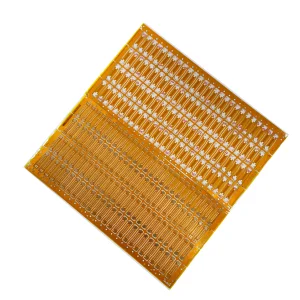
Polyimide single/dual-layer flex-circuit assemblies built for robust, long-lasting touch panels.


As smart home architectures shift toward decentralized edge setups, standard system designs must adapt. High-speed local servers and multi-protocol IoT gateways require fast memory, robust thermal design, and compact layouts. Below is the roadmap showing how hardware upgrades enable advanced home automation capabilities.
High latency, cloud dependency, security vulnerability. Automation controllers act merely as transmitters, sending raw sensor data to remote servers for processing. This leads to slow responses and limits privacy.
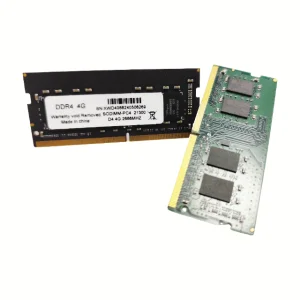
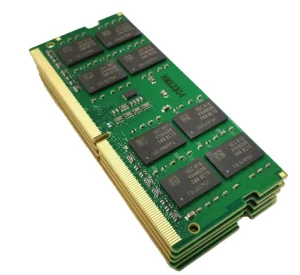
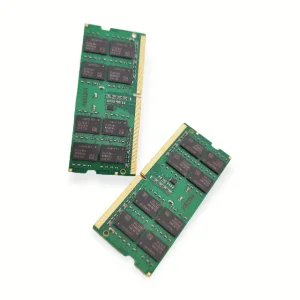
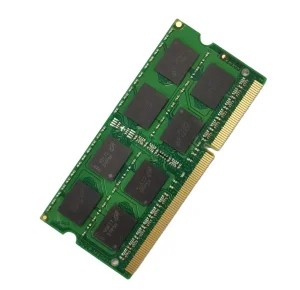
Local containment of automations using platforms like Home Assistant. High-density DDR4 memory modules (4GB to 16GB) run local databases, execute schedules offline, and coordinate thread networks. Low-profile SODIMM modules allow for compact smart-hub enclosures.
Integration of low-power NPUs executing real-time voice, vision, and energy optimization. High-bandwidth DDR5 memory modules (up to 4800MHz+) are essential for fast data access, eliminating processor bottlenecks during intensive calculations.
As smart home control panels pack high-performance processors into tight wall cavities, advanced thermal management is crucial. Customized mini heat sinks and compact heat pipes help prevent thermal throttling and extend the lifetime of components.
Exporters of home automation systems must supply robust solutions across diverse market sectors. Each application presents unique environmental challenges and technical specifications. Novram's flexible manufacturing processes support custom configurations for various industry sectors.
Reliable DRAM and custom PCBs are essential for luxury residential buildings. These components support constant system operations, real-time security alerts, complex lighting scenes, and continuous data logging.
Large-scale building controls manage lighting, HVAC, and security systems. Enterprise-grade memory modules with ECC support help prevent system downtime and secure data transmission across busy networks.
Assisted-living automation relies on sensors, predictive tracking, and emergency alerts. High-durability memory modules and quality-tested circuit components ensure these critical systems remain functional and responsive.
Key Technical and Sourcing Questions for Home Automation Hardware and System Manufacturing
Precision Engineering Solutions for Edge Systems, Custom Interfaces, and High-Throughput Processing