Novram
Novram
Novram
Immediate sourcing for computing setups, edge nodes, and hardware prototyping in the San Francisco Bay Area.
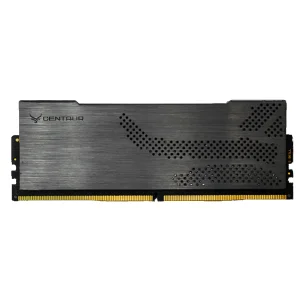
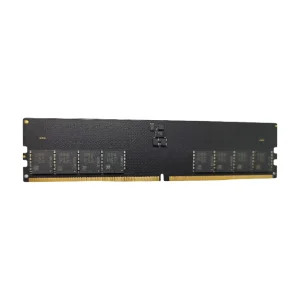
The San Francisco Bay Area remains a critical global hub for technological innovation. From cloud service providers in the South Bay to biotechnology labs in South San Francisco, and the rising cluster of artificial intelligence start-ups in the Mission District and SoMa, the demand for processing power is constant. While the industry transitions toward DDR5 for primary AI training cluster operations, DDR4 RAM memory remains a cornerstone technology for edge deployments, data centers, legacy mainframe preservation, and industrial control electronics.
For procurement officers, hardware architects, and IT operations directors in San Francisco, selecting a reliable DDR4 memory supplier involves balancing immediate availability, high compatibility, signal integrity, and cost-efficiency. Legacy rack servers (such as those running Intel® Xeon® Scalable 1st, 2nd, and 3rd Generation processors or AMD EPYC™ Naple/Rome architectures) depend entirely on DDR4 ECC registered modules. As a result, maintaining these systems requires high-reliability memory modules that meet strict JEDEC standards, preventing costly server downtime.
Even with DDR5 available, DDR4 offers key advantages for edge-computing and embedded designs: lower latency profiles, lower acquisition costs, lower thermal footprints under standard loads, and a highly stable supply chain. For IoT arrays, automated terminals, and biotech sequencing machinery, DDR4 provides the ideal mix of performance and reliability.
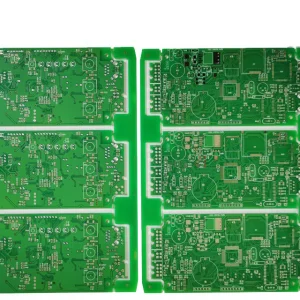
High-quality DDR4 RAM starts at the silicon level. The quality of the DRAM die (whether sourced from major tier-1 manufacturers or specialized foundries) directly impacts the system's Mean Time Between Failures (MTBF). Quality DRAM suppliers utilize high-grade multi-layer PCBs (typically 8 to 10 layers for server RDIMMs) to ensure adequate electromagnetic interference (EMI) shielding. This is crucial for dense server racks where electrical noise can corrupt data, causing system halts.
Understanding memory specifications is key to proper system design and upgrades. Below is the operational baseline for our DDR4 and related solutions deployed within enterprise architectures.
| DRAM Generation | Form Factor | Supported Speeds | Voltage Standard | Typical Application Scenarios |
|---|---|---|---|---|
| DDR4 ECC Unbuffered / Registered | 288-Pin RDIMM / UDIMM | 2133 MHz - 3200 MHz | 1.2V / 1.35V | Enterprise Servers, Colocation Data Centers, NAS Arrays |
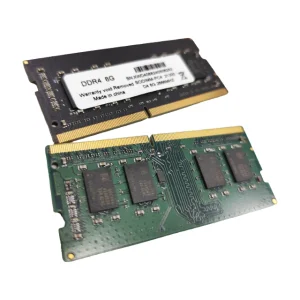
| DDR4 SODIMM (Non-ECC / ECC) | 260-Pin SODIMM | 1600 MHz - 3200 MHz | 1.2V | Industrial PCs, Mobile Workstations, Edge IoT Gateways |
| DDR5 UDIMM / ECC RDIMM | 262-Pin / 288-Pin | 4800 MHz - 5600 MHz | 1.1V (on-module PMIC) | AI Inferencing, High-Performance Compute (HPC) Nodes |
| Specialty Embedded PCBs | Custom Layouts | Application-defined | Varies | Medical Diagnostic Imagers, Defense Electronics, Sensors |
For systems that require high stability, using ECC (Error-Correcting Code) memory is essential. ECC modules detect and correct single-bit memory errors on the fly. This prevents data corruption, which is critical for financial transactions and medical processing systems in Northern California's healthcare hubs.
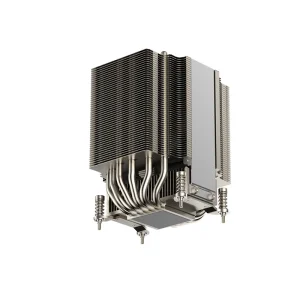
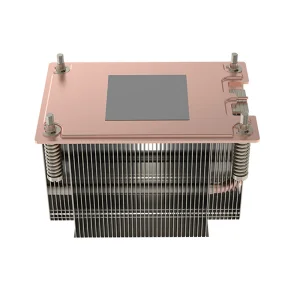
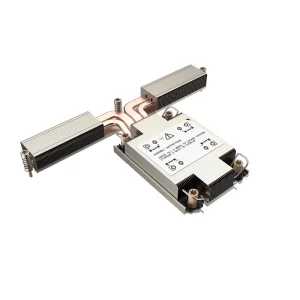
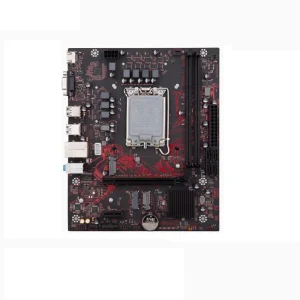
Browse our complete product range, featuring legacy DDR4 components, next-generation DDR5 platforms, and custom heatsinks optimized for industrial systems.
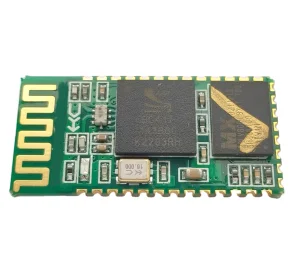
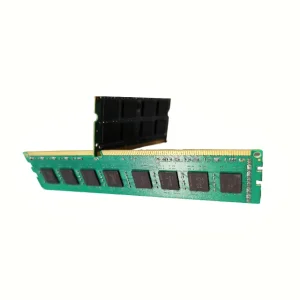
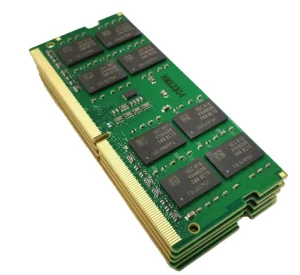
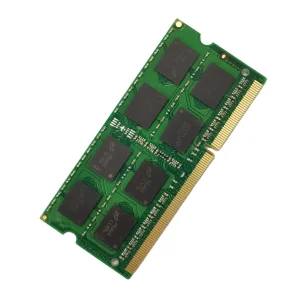
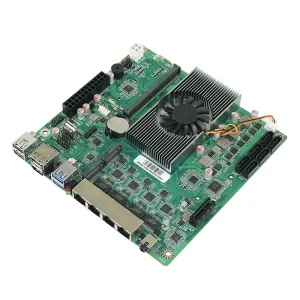
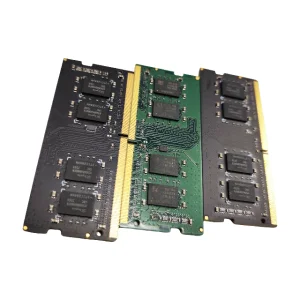
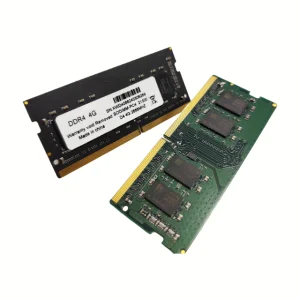
Novram Electronics Co., Ltd. is a specialized DRAM memory manufacturer based in Shenzhen, China. We deliver high-performance memory solutions for global OEM, ODM, and industrial clients. Established in 2016, the company has expanded its manufacturing footprint to serve clients in consumer electronics, industrial automation, and enterprise computing across 40+ countries.
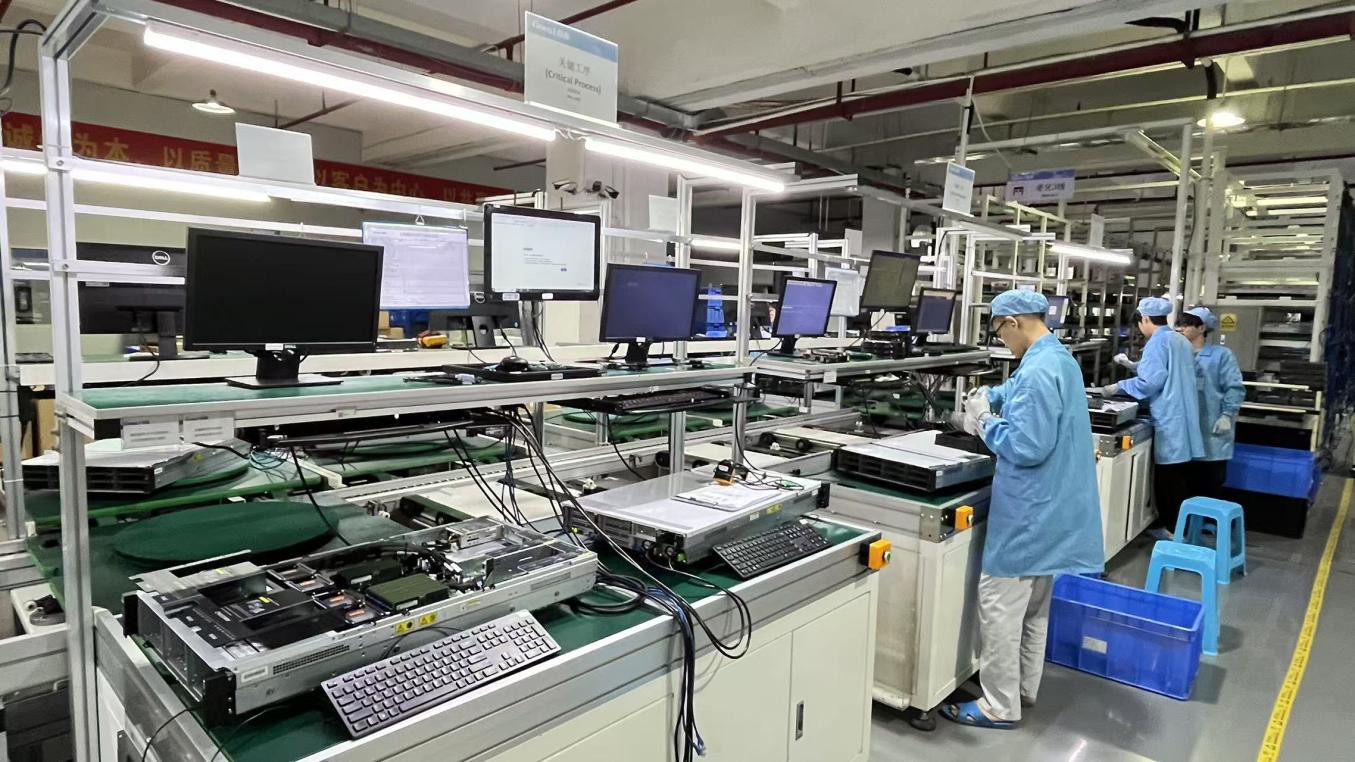
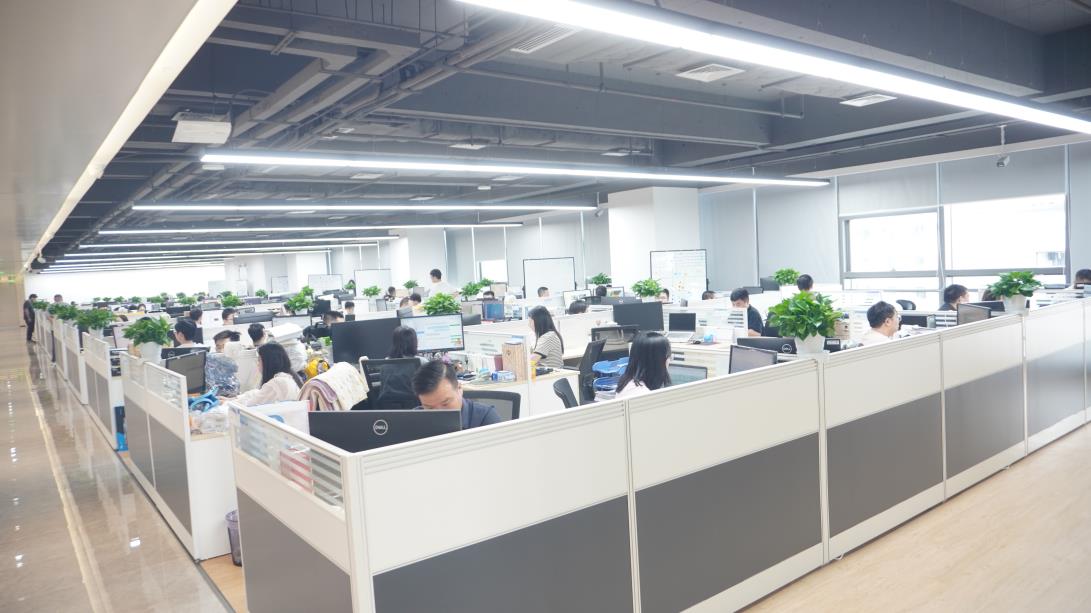
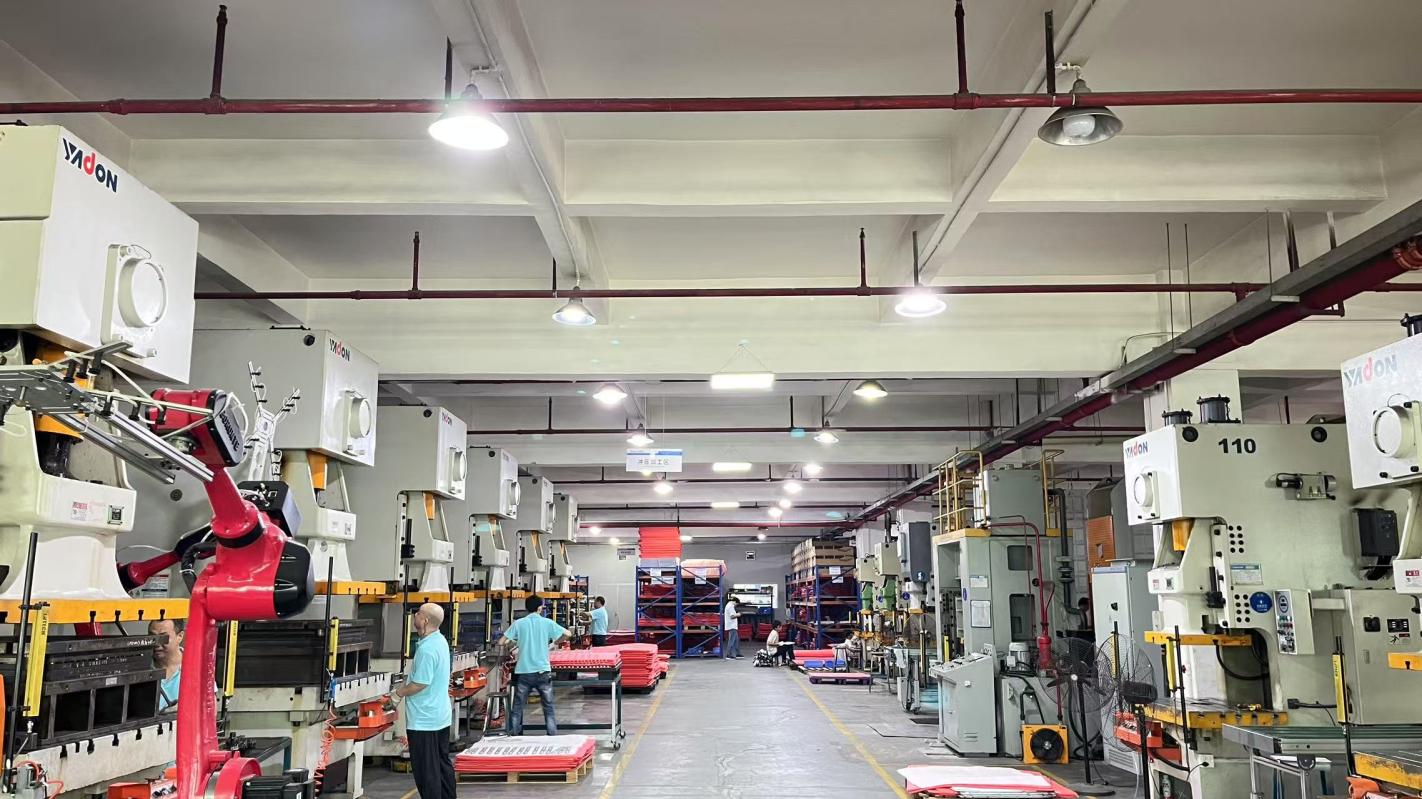
Operating from our modern 3,860㎡ manufacturing facility, we integrate advanced automated SMT lines with strict quality management protocols. Our dedicated engineering and QA teams ensure every memory module meets high compatibility standards before leaving the facility.
With over 9 years of industry experience, we manage a reliable supply chain supported by 860+ qualified suppliers. This network enables us to maintain stable production runs and secure component allocations even during tight silicon supply periods.

Sourcing electronic components internationally requires navigate-ready customs and strict compliance. For our partners in the Bay Area, we optimize this route by ensuring all exported memory modules comply with the United States regulatory standards, including FCC Class B certification, RoHS 3 directives, and CE safety ratings.
We work with global freight partners to facilitate smooth entry through the Port of Oakland and San Francisco International Airport (SFO). By handling document pre-clearance and providing exact Harmonized Tariff Schedule (HTS) classifications, we minimize delivery delays.
Before packaging, every batch of DDR4 and DDR5 memory modules undergoes a rigorous five-step testing process:
For system integrators in San Francisco, standard off-the-shelf RAM modules may not always meet specific project requirements. We offer custom manufacturing services including:
Technical details and supply logistics answers for memory module procurement.
Yes. Our engineering department can customize the Serial Presence Detect (SPD) profile of our DDR4 modules to match specific timing, voltage, and latency configurations required by older, proprietary enterprise servers. This ensures plug-and-play compatibility and avoids BIOS POST errors.
Standard component batches (under 5,000 units) typically clear production within 7-10 working days. Shipping via air freight to SFO takes approximately 3-5 days. Ocean shipping to the Port of Oakland takes between 15-20 days, depending on carrier schedules.
We execute 100% full-load burn-in testing on all memory modules destined for medical diagnostic or biotech equipment. These tests are conducted inside specialized high-temperature chambers to weed out early hardware failures, ensuring stable performance in mission-critical applications.
Yes, all our memory modules, PCBs, and accessories are certified lead-free in compliance with the EU RoHS 3 directive. They also meet FCC Part 15 Class B emissions regulations, making them safe and legal for residential, commercial, and industrial installations in California.
Depending on client requirements, we use high-grade original DRAM chips from major manufacturers (including Samsung, SK Hynix, and Micron). This ensures high compatibility and long-term reliability for enterprise servers.
Whether you need bulk quotes for DDR4 RDIMMs, high-speed DDR5 modules, or custom PCB assemblies, our engineering and sales teams can help with compatibility reviews, specifications, and volume pricing.