Novram
Novram
Novram
Expertly optimized for Norway's subsea exploration and demanding marine IoT architectures.
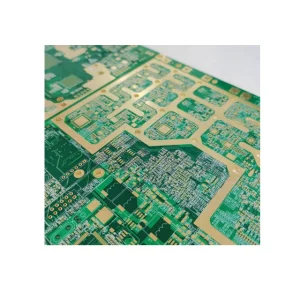
Norway is globally recognized for its leading-edge maritime technology, deepwater exploration, and aggressive deployment of green energy. Operating in some of the earth's harshest environments requires marine electronics, remote control submersibles (ROVs), and subsea communication networks that can survive high hydrostatic pressure, freezing temperatures, and constant salt corrosion. Underpinning these technical feats are **High-Frequency (HF) PCBs** designed for flawless signal integrity at microwave and millimeter-wave frequencies.
As the Norwegian market moves rapidly toward autonomous shipping (spearheaded by entities like the Yara Birkeland project) and offshore floating wind farms, the reliance on real-time data transmission has grown exponentially. High-frequency PCBs using PTFE, hydrocarbon ceramic, and low-loss thermoset materials are essential. They minimize dielectric loss and offer stable electrical performance under temperature shifts ranging from -40°C to +85°C, ensuring reliable operations in the North Sea.
Deepwater communications rely on acoustic telemetry and ultra-high-frequency radio links when at the surface. Designing circuits for these operations demands unique material considerations:
Engineered for high-frequency bands (10GHz - 77GHz) to ensure clean sensor telemetry and marine radar systems.
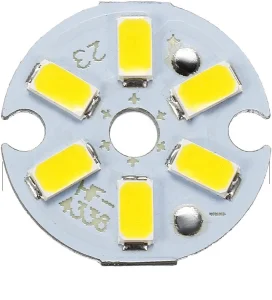
Utilizes copper and aluminum backing complexes alongside thermal vias to prevent hot spots in enclosed subsea casings.
Combines high-performance PTFE or Rogers material with standard FR-4 layers to optimize cost and performance.
Globally, the rollout of 5G/6G infrastructures, satellite constellations (LEO), and autonomous driving lidar systems has pushed high-frequency laminate demand to historic highs. The transition from PTFE to Liquid Crystal Polymer (LCP) and Thermoset materials is accelerating due to environmental mandates and mechanical rigidity constraints. Furthermore, the integration of active components within embedded PCB cavities is becoming a key packaging design for RF front-end modules, minimizing trace routing lengths and electromagnetic interference (EMI).
High-frequency signals are incredibly sensitive to minor geometric variations. Achieving high-yield RF circuitry requires strict control over every step of the PCB fabrication process:
| Parameters | Standard Specification | High-Frequency Performance Specification |
|---|---|---|
| Impedance Control Tolerance | ±10% | ±5% (Optional: ±2%) |
| Copper Clad Peel Strength | >1.4 N/mm | >1.8 N/mm (PTFE with special plasma activation) |
| Roughness of Copper Foil (Rz) | 3.0 µm - 5.0 µm | ≤ 1.2 µm (Ultra-low profile copper to reduce skin effect losses) |
| Aspect Ratio (Drill to Board Thickness) | 8:1 | 12:1 (Enables ultra-fine vias for micro-strips) |
Modern Manufacturing Facility
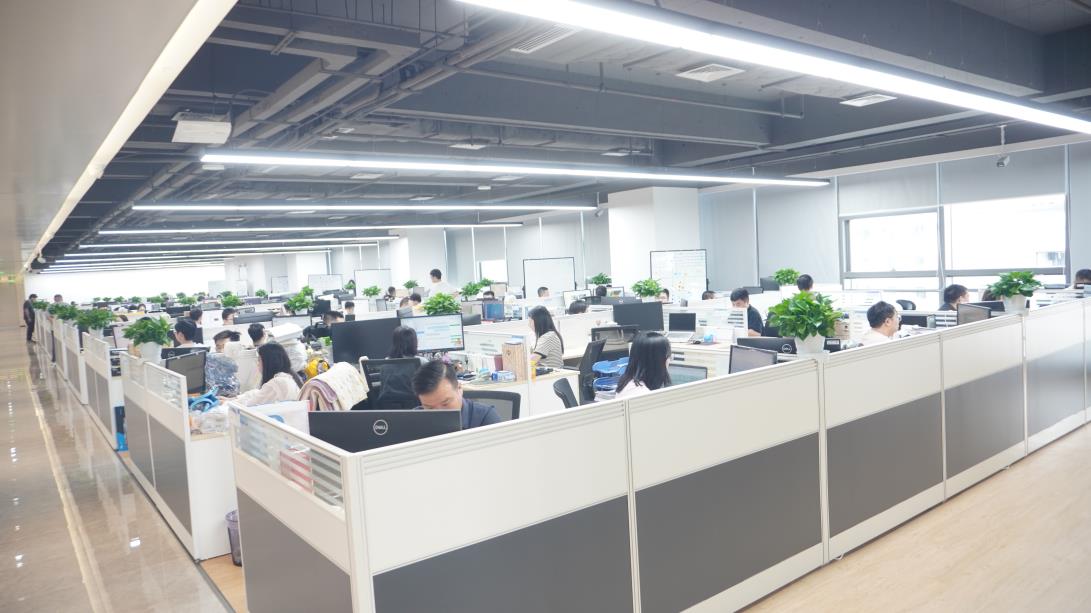
Dedicated R&D Engineers
Annual Global Export Volume
Professional QC Quality Auditors
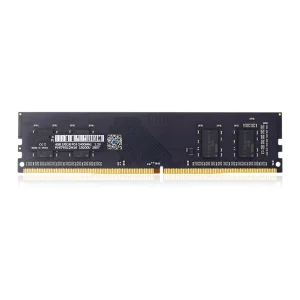
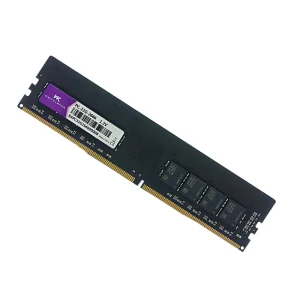
Novram Electronics Co., Ltd. is a professional DDR5 memory and high-reliability PCB assembly/manufacturing partner based in Shenzhen, China. Since 2016, we have committed ourselves to delivering high-performance DRAM solutions and specialty PCB capabilities for global OEM, ODM, and industrial customers.
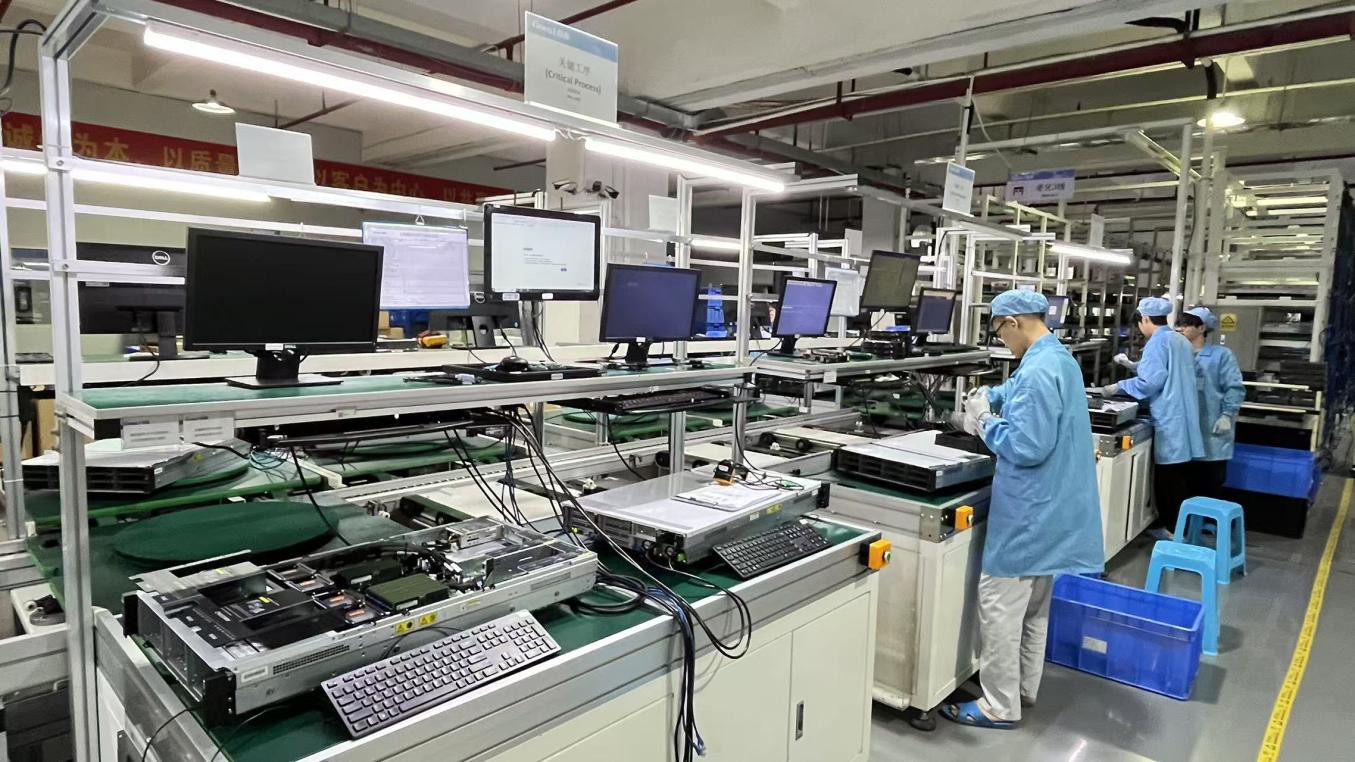
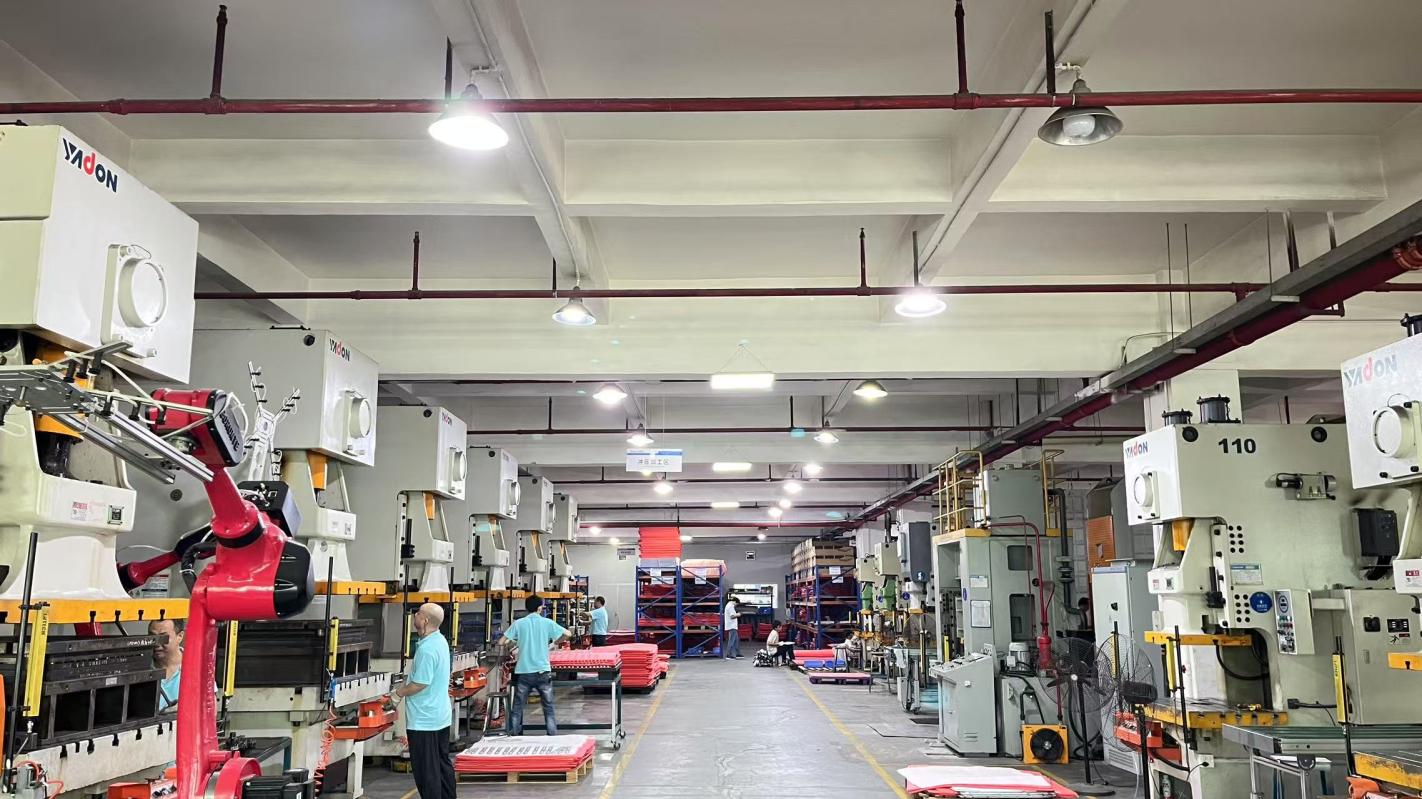
Operating from our modern 3,860㎡ manufacturing facility, Novram integrates advanced production equipment, strict quality management, and continuous R&D innovation. Our goal is to ensure every high-frequency PCB and memory module meets rigorous international performance standards.
With 9 years of industry experience and 7 years of export experience, Novram exports products to customers in more than 40 countries, generating an annual export revenue of approximately US$18.6 million.
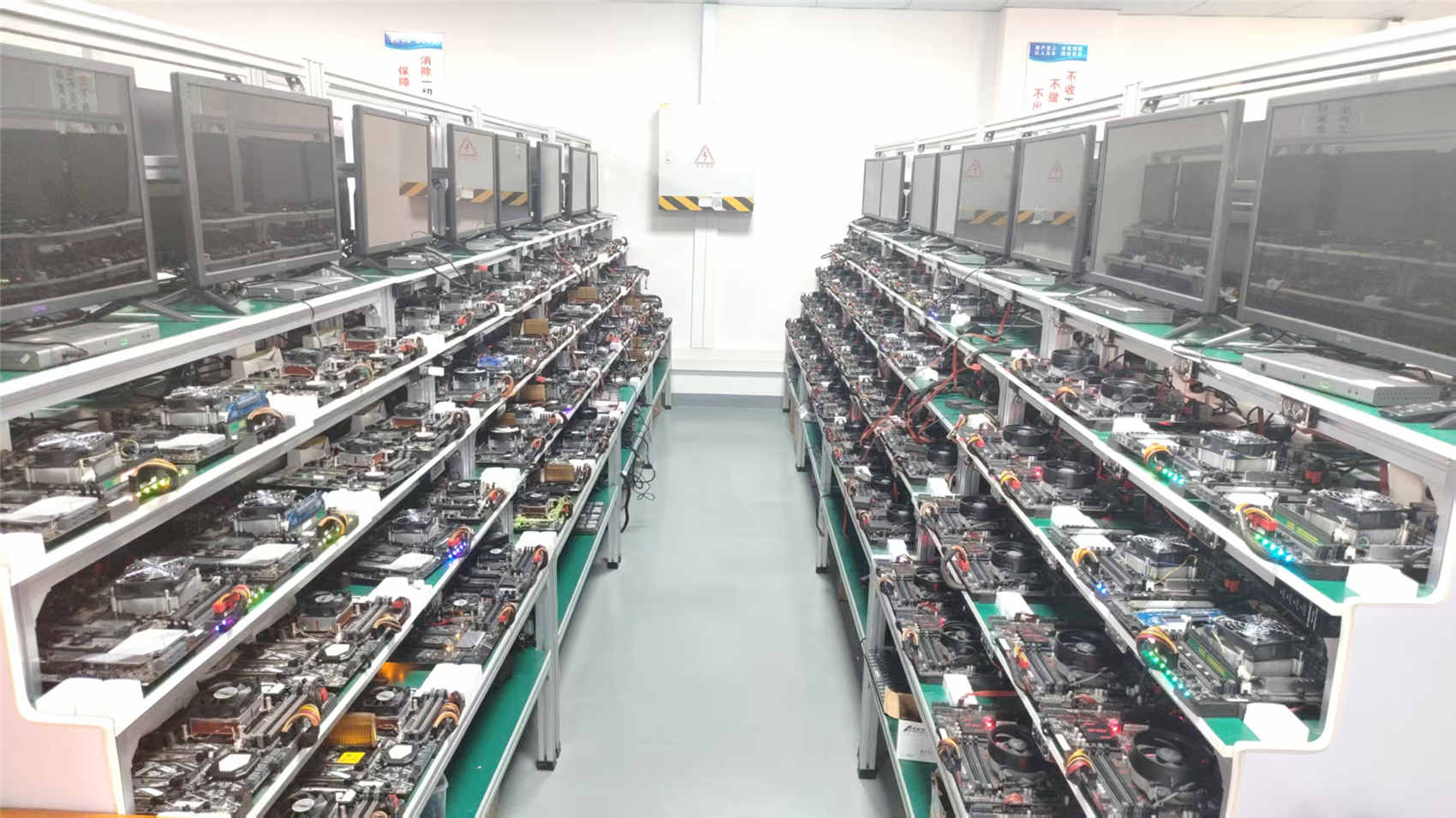
Quality is at the core of everything we do. Every module and board undergoes 100% functional testing, compatibility testing, burn-in testing, temperature testing, and aging verification before shipment, managed by our team of 42 professional inspectors.
Through our partnership with over 860 qualified supply chain partners, we ensure stable manufacturing capacity and secure component sourcing, even during global component shortages.
Consult with our structural engineering team today. We provide professional impedance simulations, stack-up calculations, and direct material consultations to ensure your projects achieve optimum signal integrity.
Send Inquiry NowFrom complex multi-layer motherboards to thermal management cooling plates, we support every aspect of your hardware infrastructure.