Novram
Novram
Novram
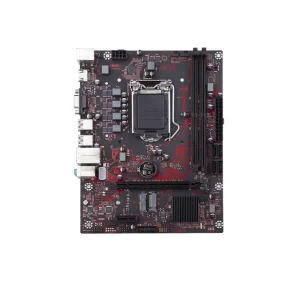
Selected high-frequency substrates and advanced system boards optimized for deployment across Kathmandu Valley technological projects and remote transmission stations.
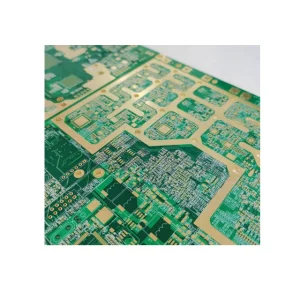
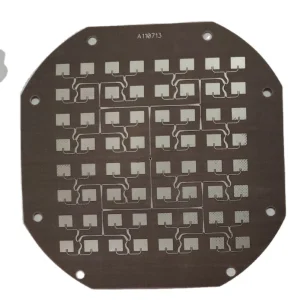
In modern high-speed electronics, the selection of the printed circuit board (PCB) substrate determines the ultimate efficiency, thermal performance, and signal integrity of the system. While standard FR4 materials are suitable for consumer electronics operating below 1 GHz, they present high dielectric loss, signal dispersion, and poor thermal conductivity when subjected to microwave and radio frequency (RF) bands. Rogers Corporation substrates (such as the RO4000 and RT/duroid series) represent the industry gold standard for low dielectric constant (Dk) tolerance, minimal dissipation factor (Df), and reliable dimensional stability.
For Nepal's developing digital infrastructure, telecommunications upgrade, and telemetry monitoring, the import of high-precision Rogers PCBs is foundational. Novram Electronics leverages its 9-year manufacturing and export experience to deliver robust, high-performance high-frequency laminates designed to withstand both intense RF transmission loads and severe environmental swings common in mountainous high-altitude terrains.
Provides extremely low signal degradation (Df as low as 0.0009 at 10 GHz) ensuring clean, long-distance signal propagation for Nepalese remote radio heads (RRH).
Expert hybrid lamination capabilities matching Rogers 4000 series with FR4 cores to balance electrical excellence with regional project budget constraints.
Matches copper's coefficient of thermal expansion perfectly, preventing trace delamination under thermal stress in extreme Himalayan weather cycles.
Nepal's technological landscape is transitioning rapidly. With the expansion of 4G LTE services throughout provinces like Bagmati, Gandaki, and Koshi, and preliminary testing of sub-6 GHz 5G networks in the Kathmandu Valley, the demand for RF-capable hardware has escalated. Standard telecommunication modules demand low-loss microwave PCBs to support higher bandwidth frequencies and prevent packet drops over rugged mountain-top microwave links.
Additionally, Nepal's major renewable energy sector—hydroelectric power plants distributed along fast-flowing glacial rivers—requires advanced telemetry, remote monitoring, and SCADA (Supervisory Control and Data Acquisition) infrastructure. These control systems operate under constant electromagnetic interference (EMI) and moisture. Deploying high-grade Rogers PCBs and Taconic laminates in sensor grids, automated flow controllers, and grid monitoring systems guarantees reliable operation with minimal downtime.
| Parameters | Rogers RO4350B | Rogers RT/duroid 5880 | Standard FR4 |
|---|---|---|---|
| Dielectric Constant (Dk @ 10GHz) | 3.48 ± 0.05 | 2.20 ± 0.02 | 4.4 - 4.8 |
| Dissipation Factor (Df @ 10GHz) | 0.0037 | 0.0009 | 0.015 - 0.020 |
| Thermal Conductivity (W/m/K) | 0.69 | 0.20 | 0.25 |
| Moisture Absorption (%) | 0.06 | 0.02 | 0.15 - 0.25 |
| Typical Applications | Base station antennas, LNBs, RFID | Aviation radar, microstrip circuits | Standard low-speed compute cards |
On a global scale, the PCB industry is experiencing structural changes driven by the rollouts of 5G Advanced (Release 18), low earth orbit (LEO) satellite constellations, and advanced driver-assistance systems (ADAS). Millimeter-wave (mmWave) designs require PCB manufacturers to handle tighter trace tolerances, strictly controlled copper roughness (using very low profile or reverse treated copper foils), and precise impedance matching. The industry trend is moving towards multi-layer hybrid designs. Engineers stack Rogers material layers on the critical high-frequency routing paths while using cost-effective FR4 or high-TG epoxy glass layers for power and low-frequency ground connections.
This globally validated approach allows system integrators in developing economies like Nepal to benefit from high-frequency operation without paying the price of a full-PTFE multilayer board, resulting in a favorable cost-to-performance ratio.
For electronic components operating in high altitudes (above 2,000 meters in Nepal), thermal dissipation and atmospheric pressure changes present unique challenges. At high altitudes, air density drops, which reduces the natural convection cooling efficiency of standard heatsinks. This requires substrate materials with higher internal thermal conductivity (such as the Rogers RO4350B at 0.69 W/m/K compared to FR4 at 0.25 W/m/K) to transport heat away from high-power power amplifiers (PAs) and transceivers.
Additionally, cosmic radiation levels are higher at high altitudes, and relative humidity can drop drastically or surge in monsoon season. Standard FR4 is prone to moisture absorption, leading to changes in its dielectric constant and matching impedance drift. Rogers materials exhibit near-zero moisture absorption (below 0.06%), keeping RF channels impedance-tuned at exactly 50 Ohms across all weather conditions.
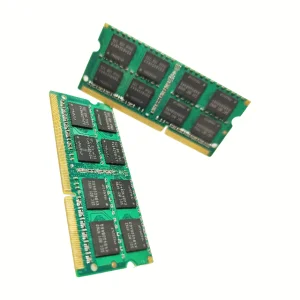
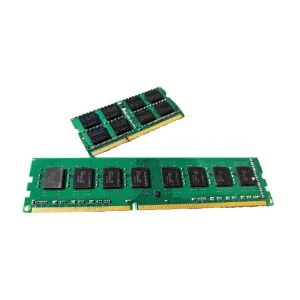
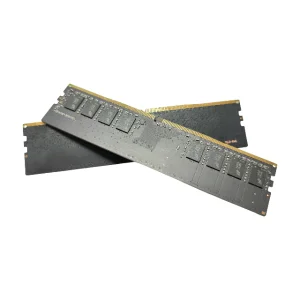
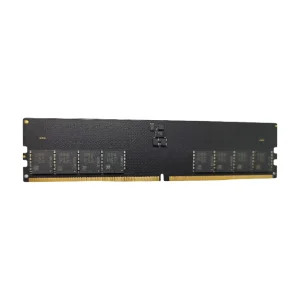
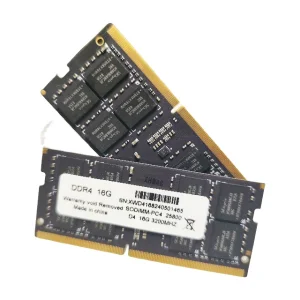
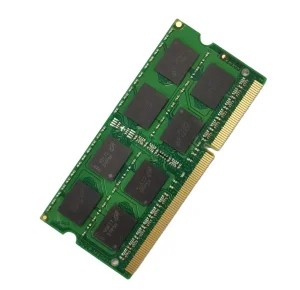
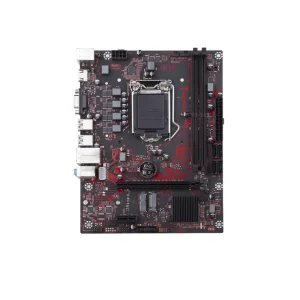
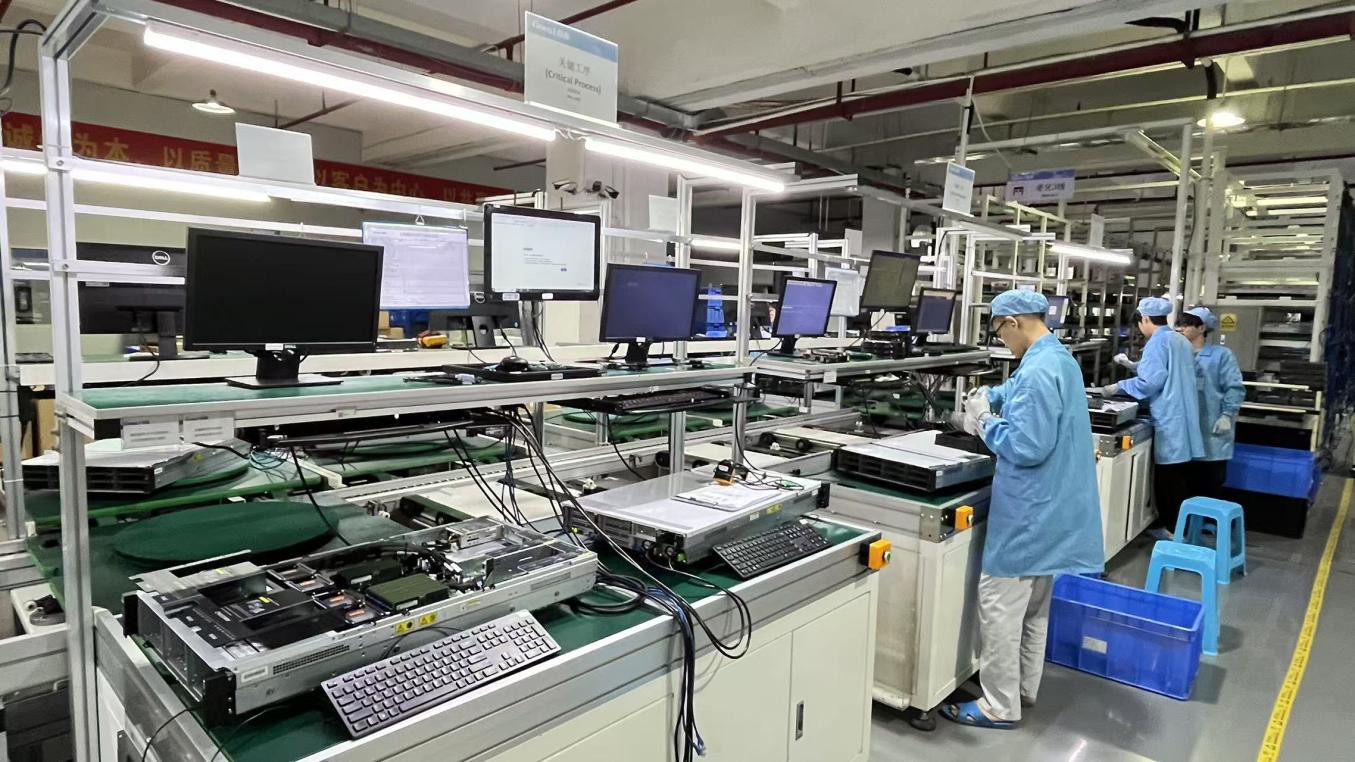
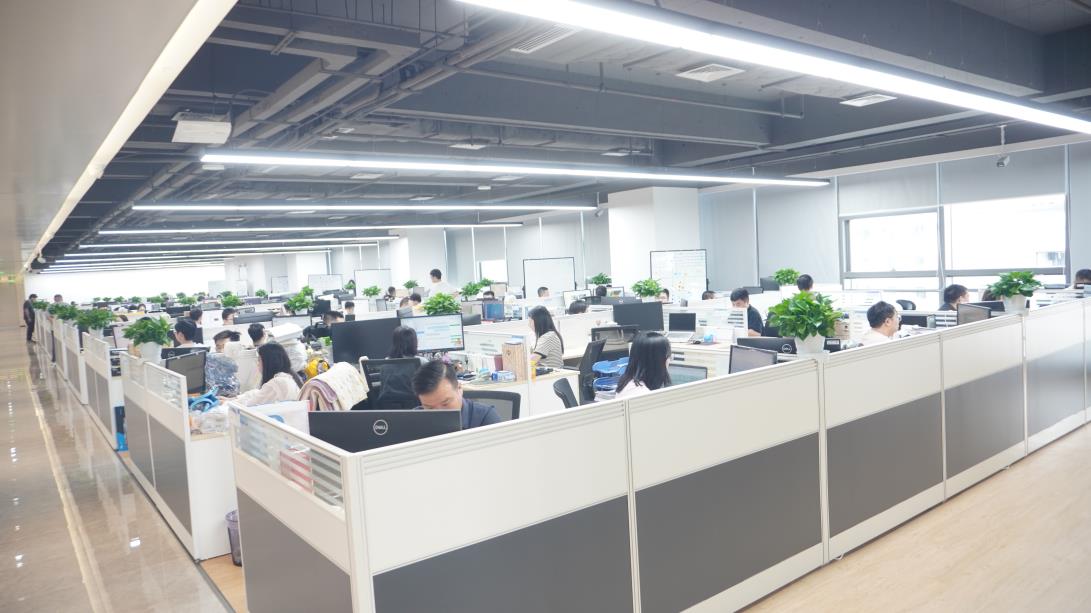
Novram Electronics Co., Ltd. does not just supply boards; we deliver complete hardware enablement. While our 3,860m² Shenzhen factory is highly optimized for performance DDR5 and DDR4 memory modules, our engineering R&D center, staffed by 76 professional engineers, works in lockstep with elite high-frequency laminate fabricators. This allows us to supply complete system boards integrating high-speed DRAM with Rogers RF modules.
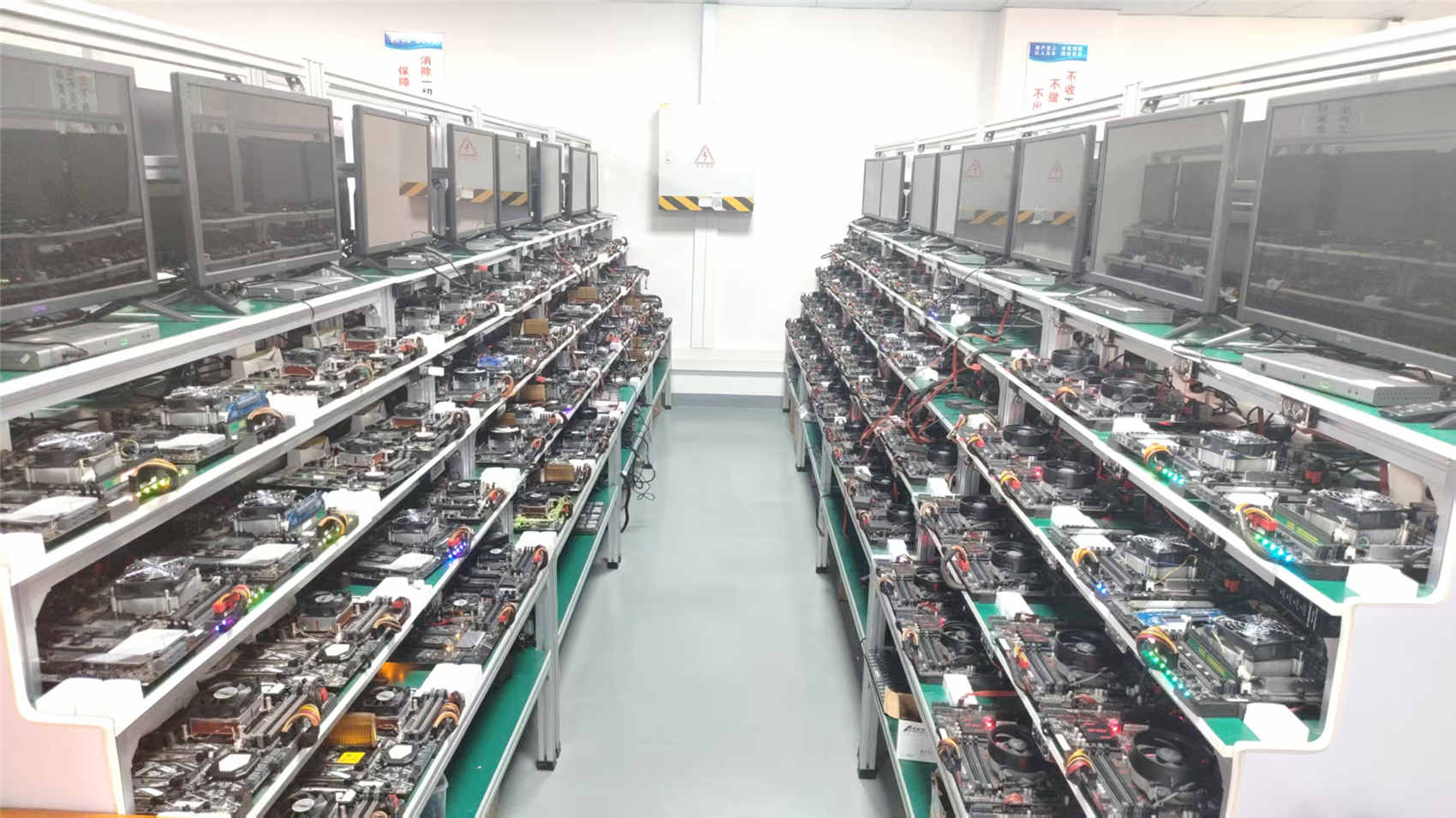
Our Quality Control team utilizes advanced testing apparatuses, including Network Analyzers, Time Domain Reflectometry (TDR) for impedance control testing, and environmental aging chambers to simulate the high-temperature and sub-zero conditions characteristic of Nepal's terrains. This ensures every module exported is verified fit for purpose.
Below are our ISO-certified production floor and cleanrooms, showcasing the precision and control exercised over every single PCB panel and memory assembly.

Common technical, logistical, and structural questions addressed by our senior RF hardware and supply chain specialists.
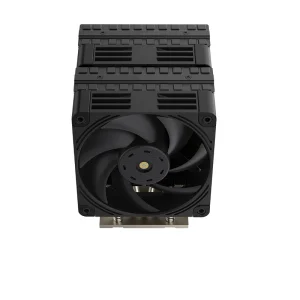
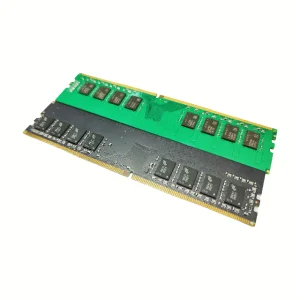
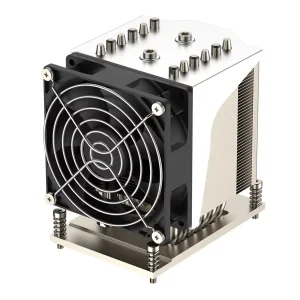
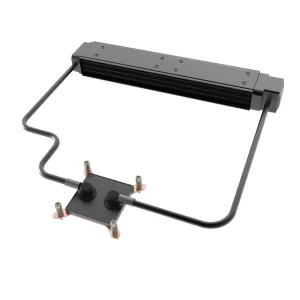
Original high-speed memory and server thermal control modules configured for industrial clusters and data node operations in regional hubs.